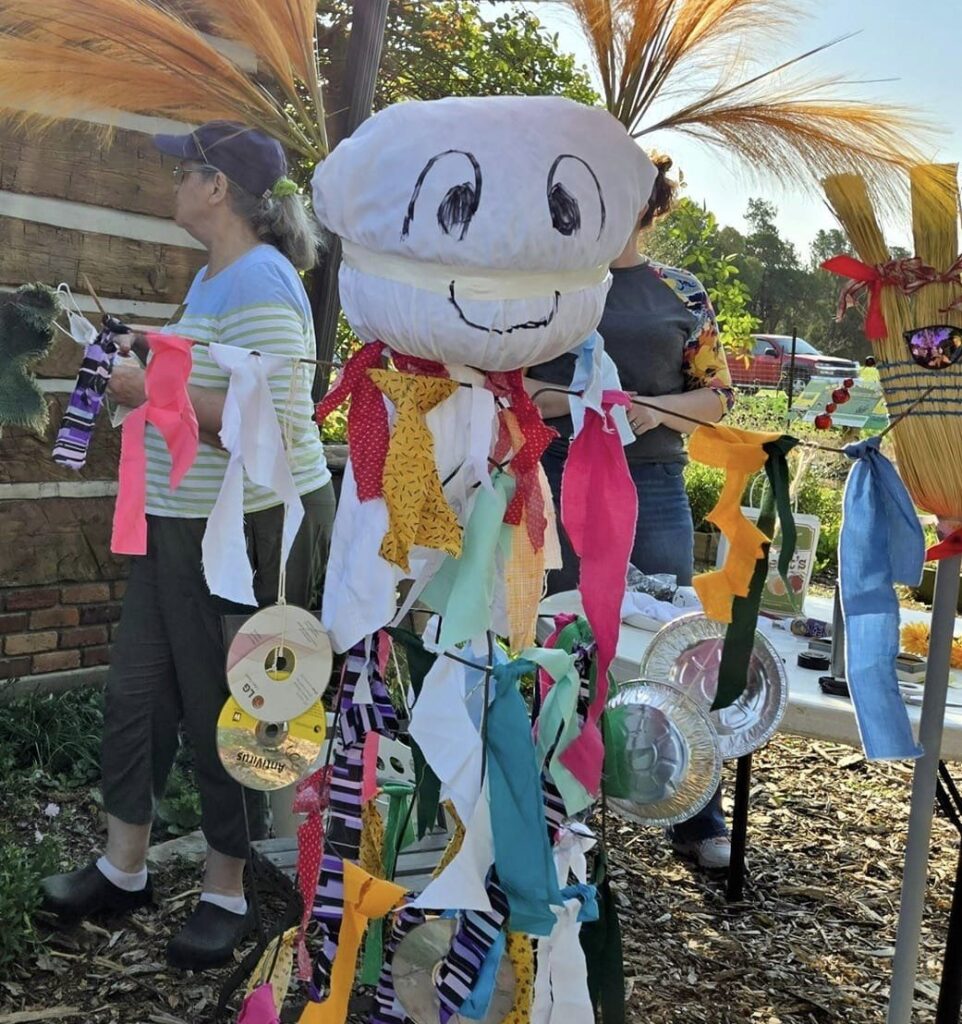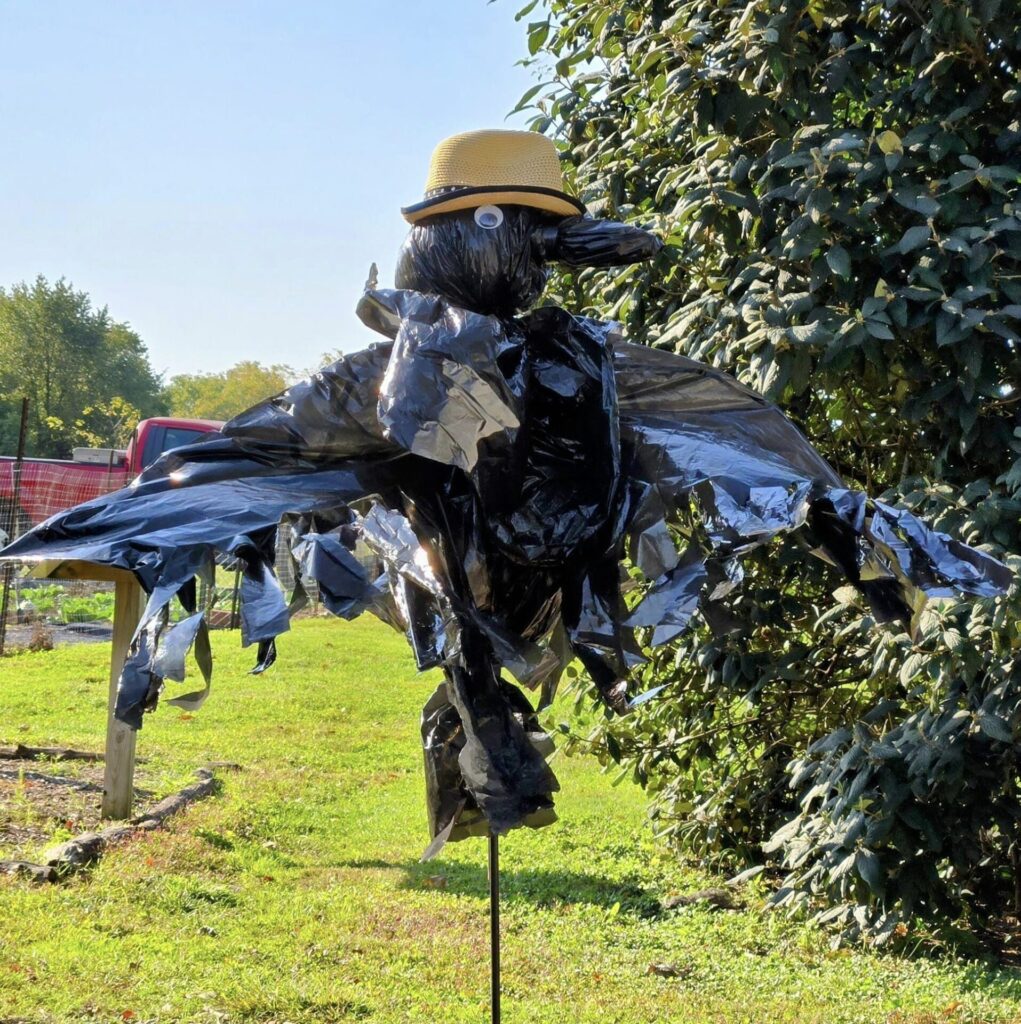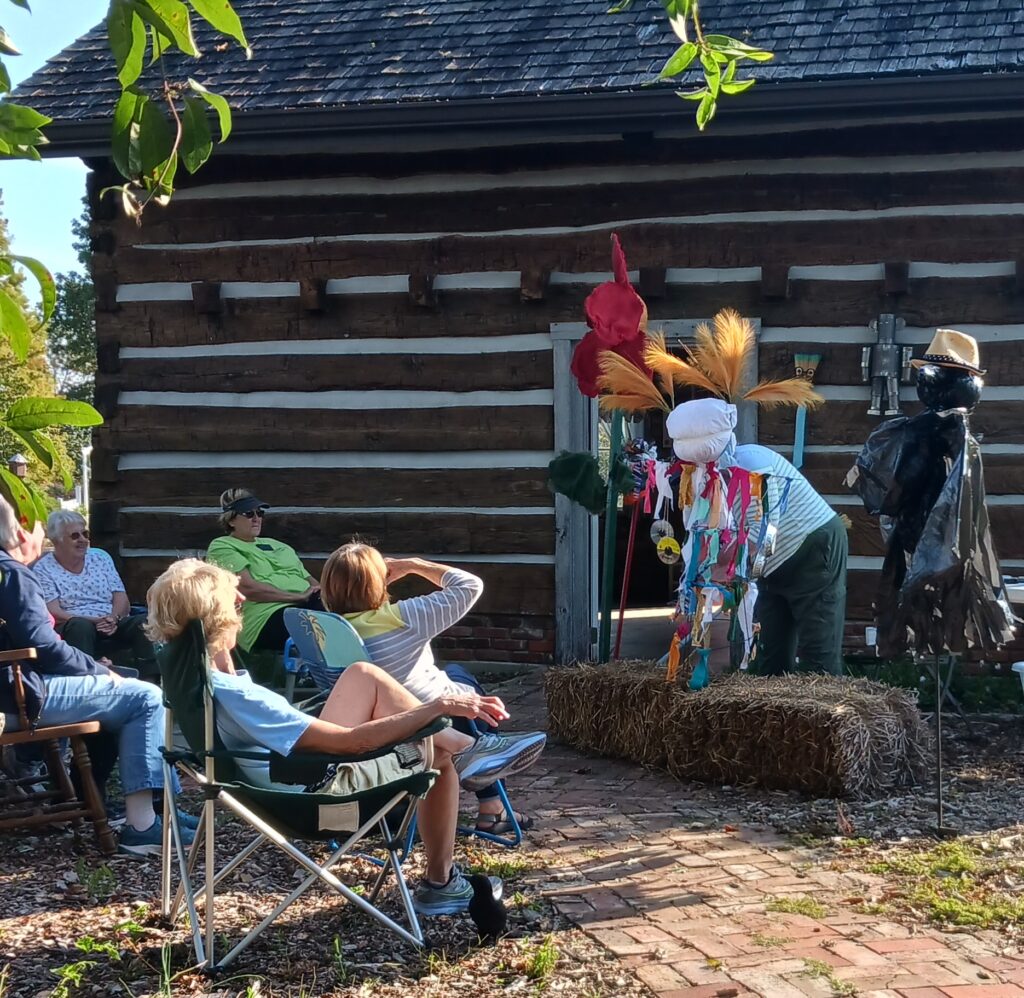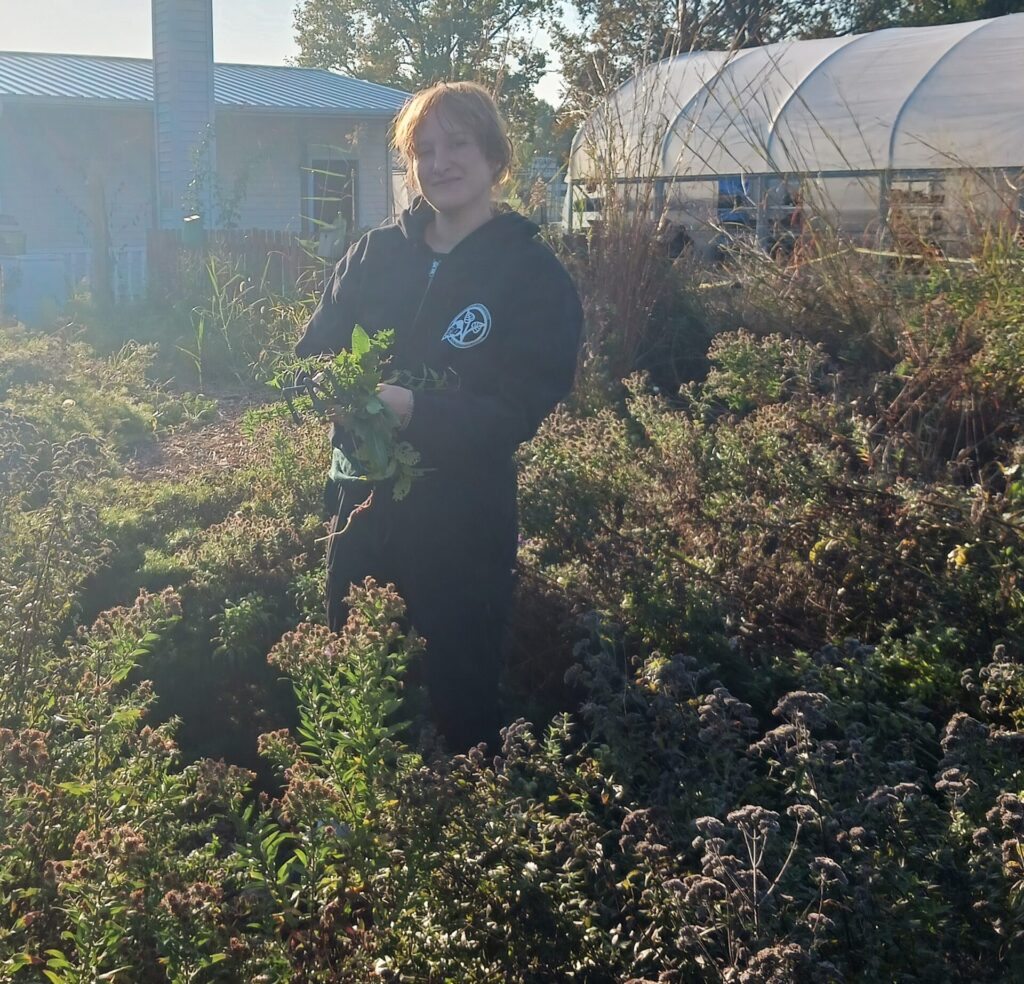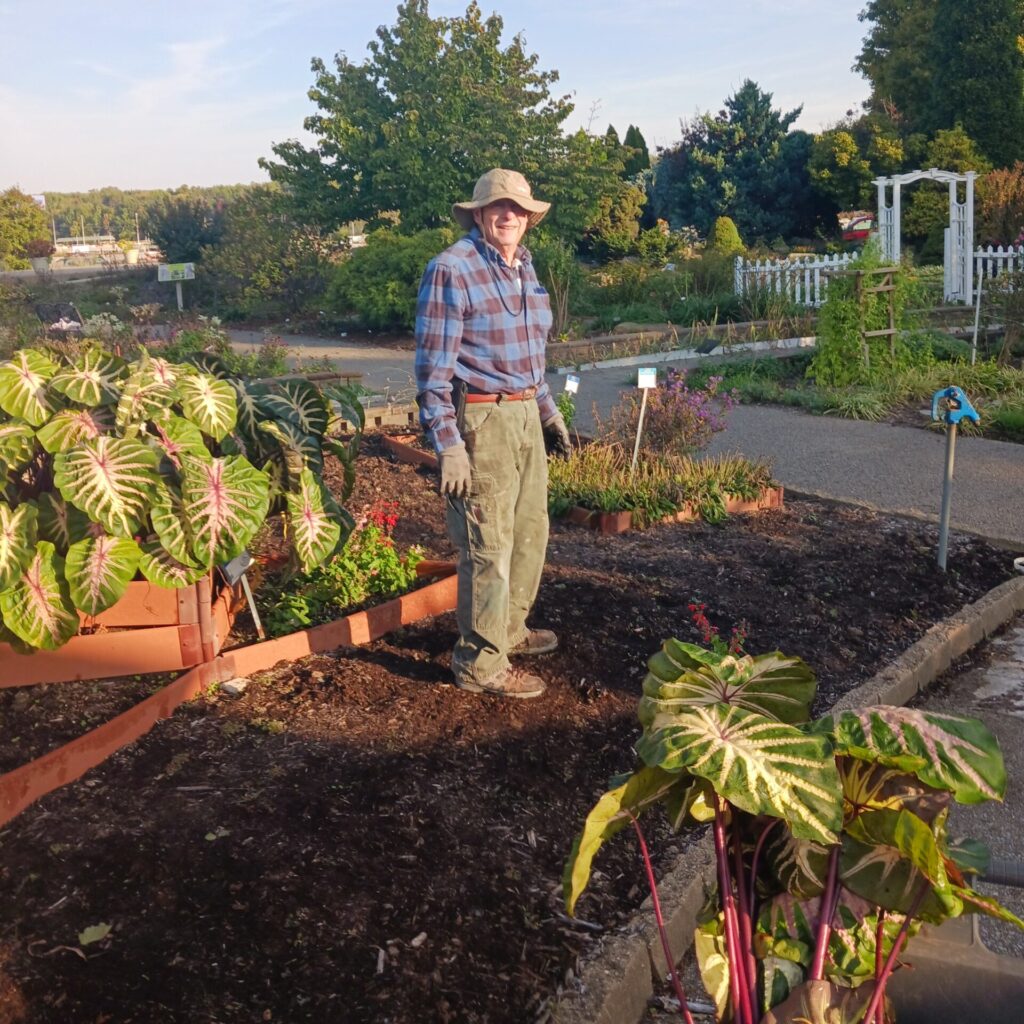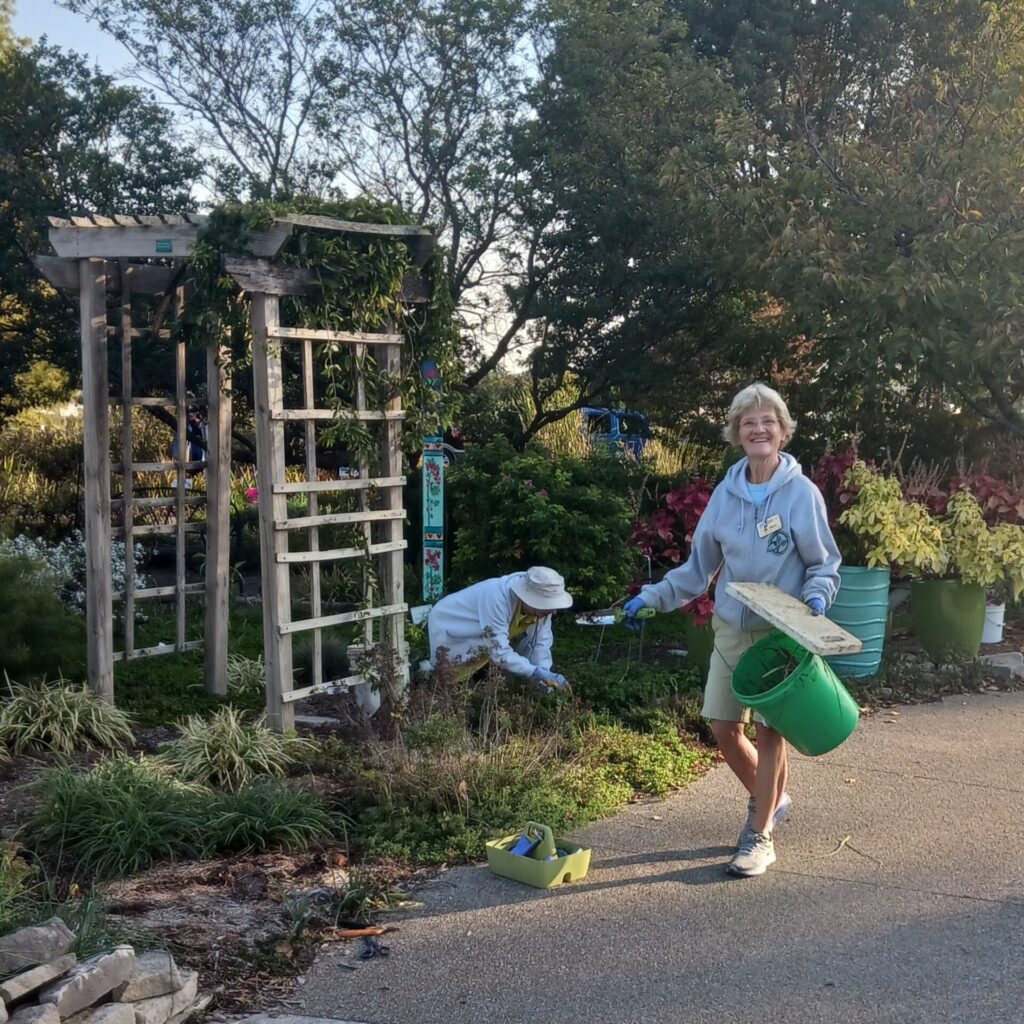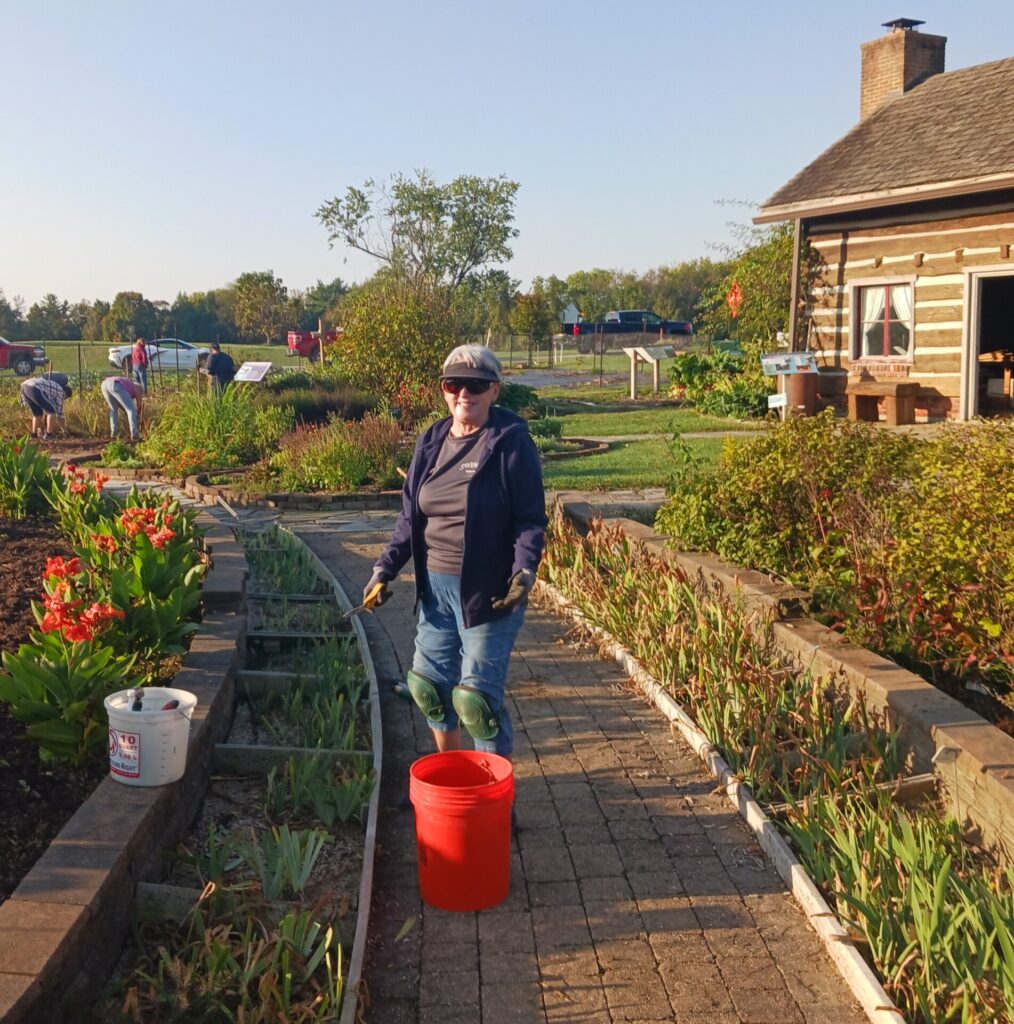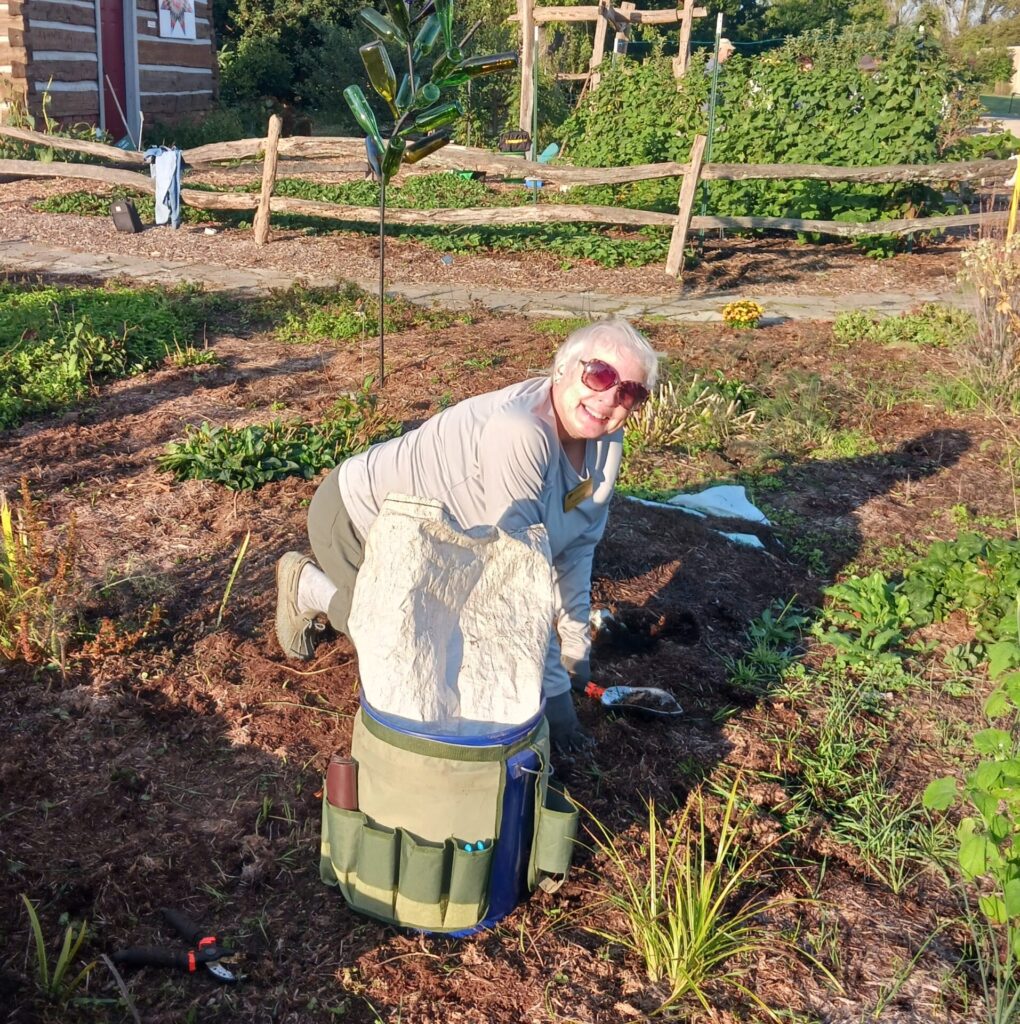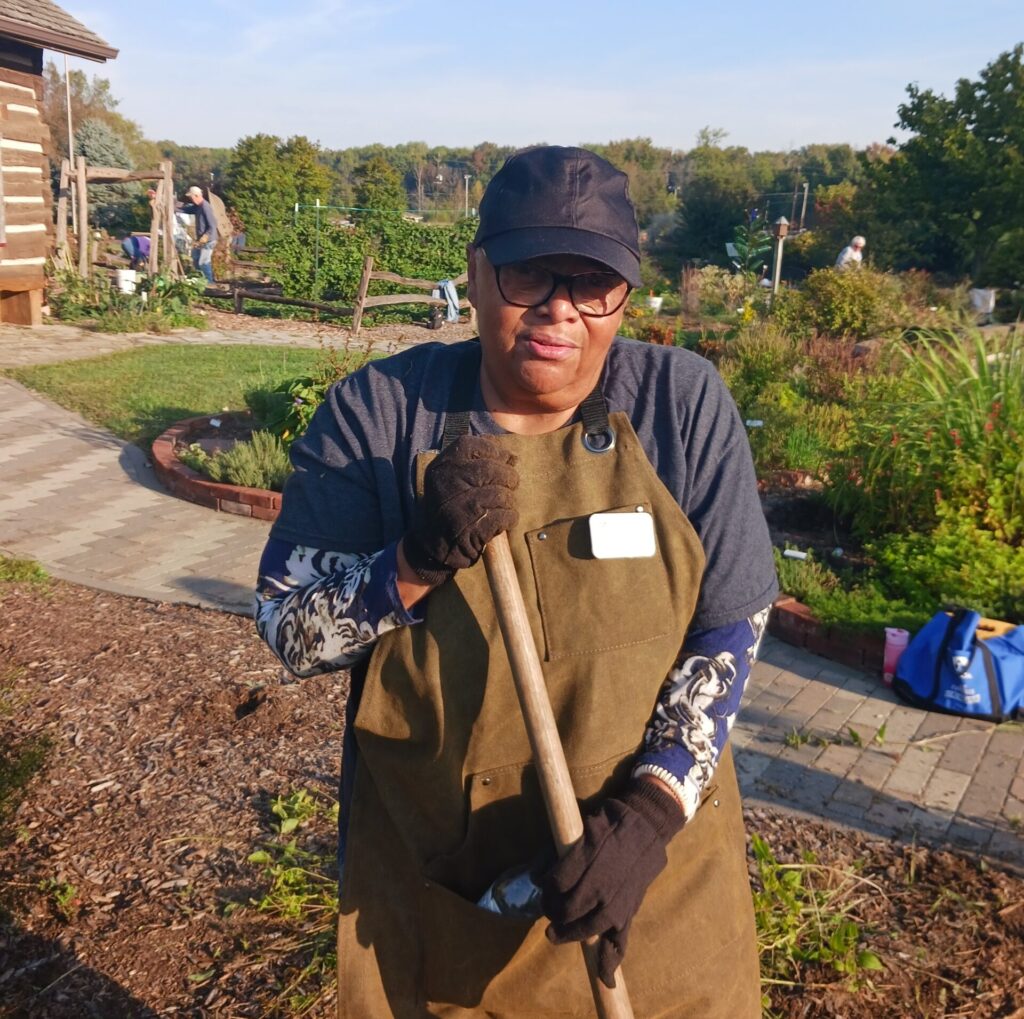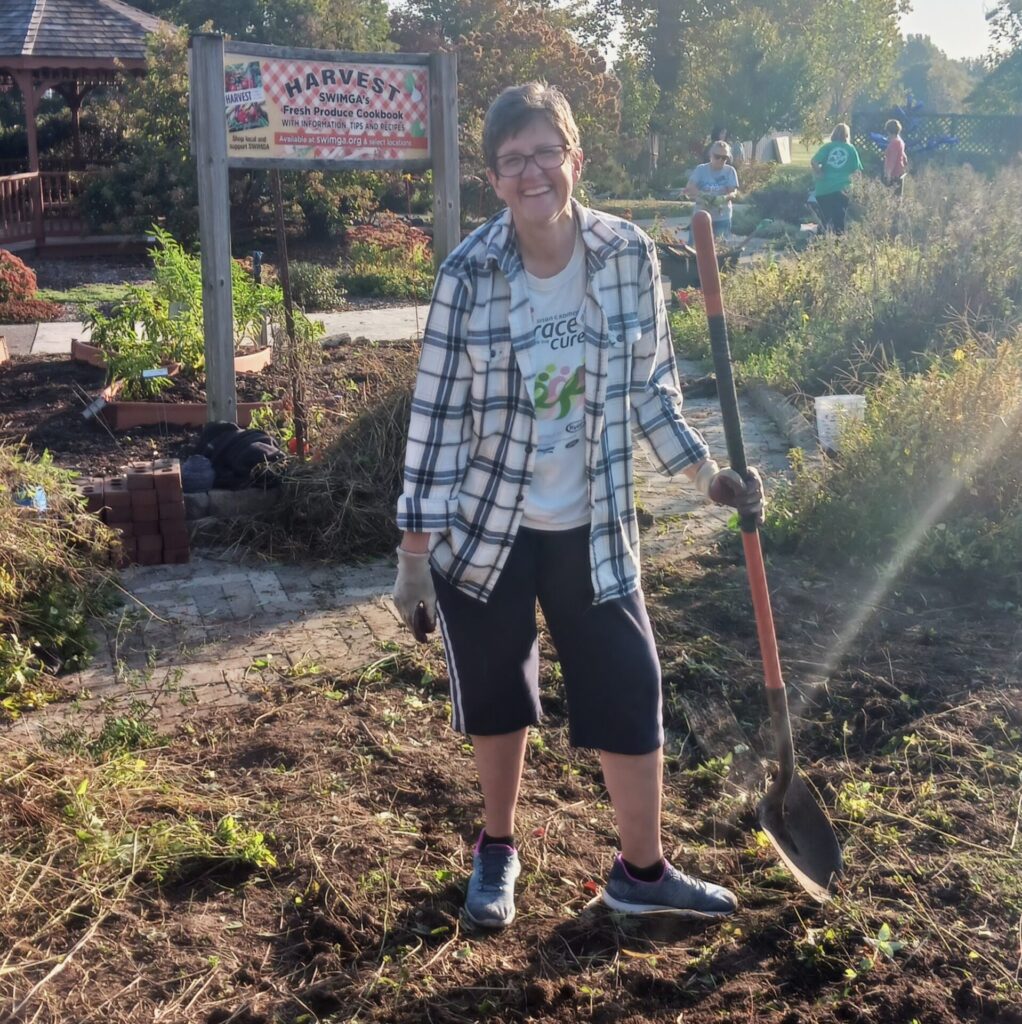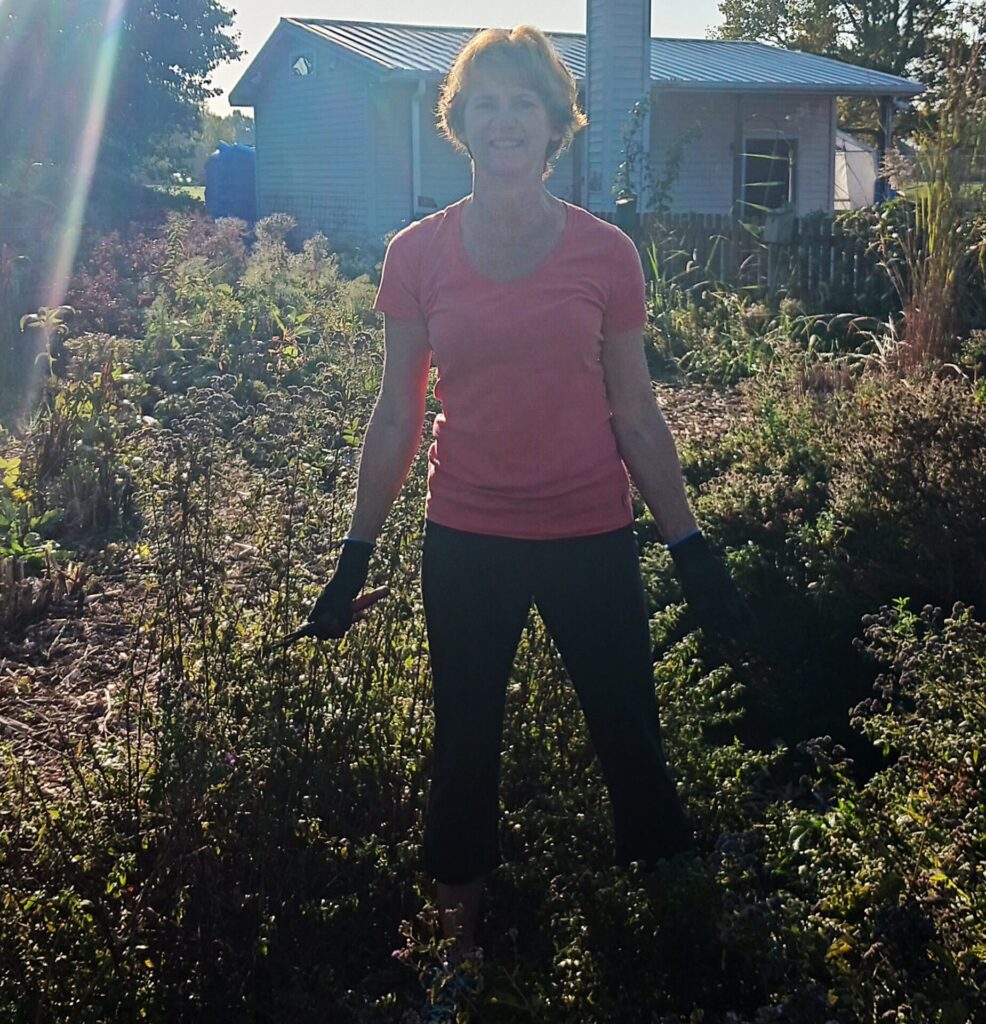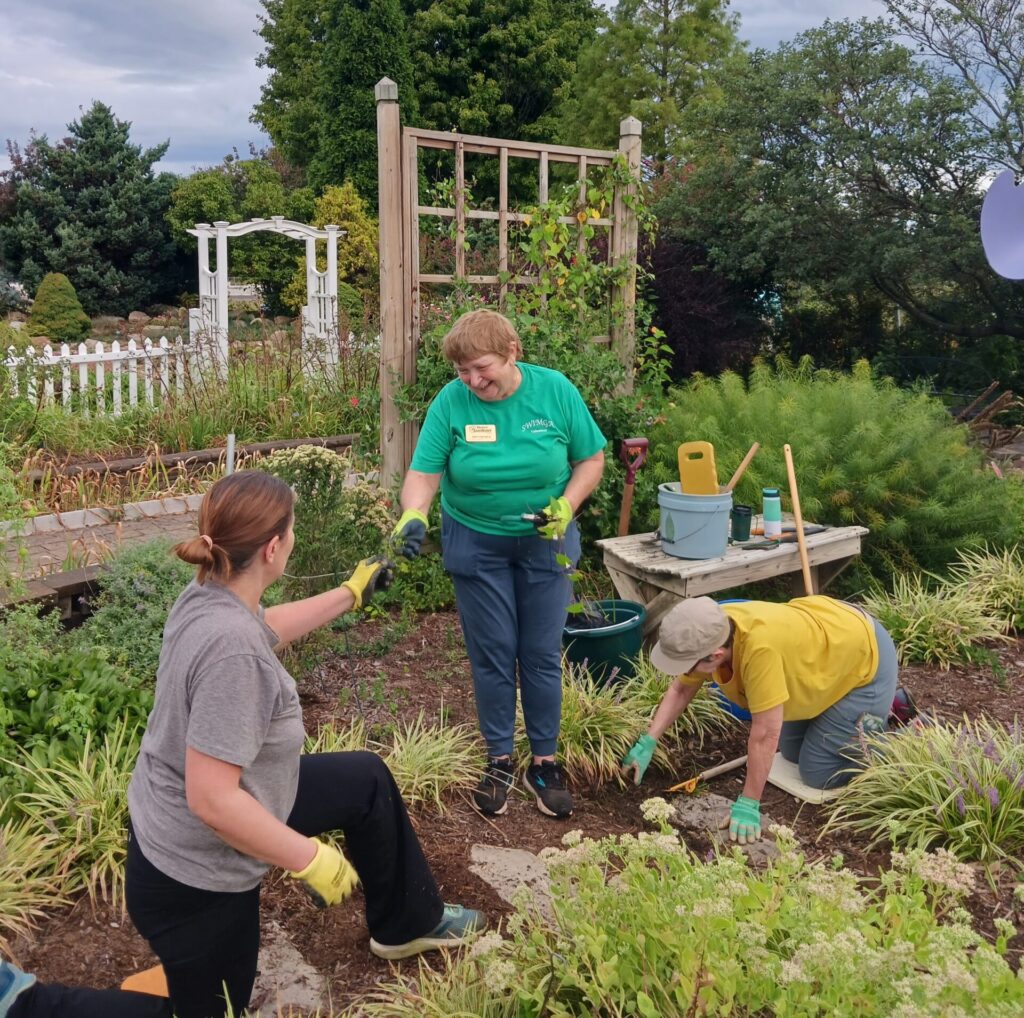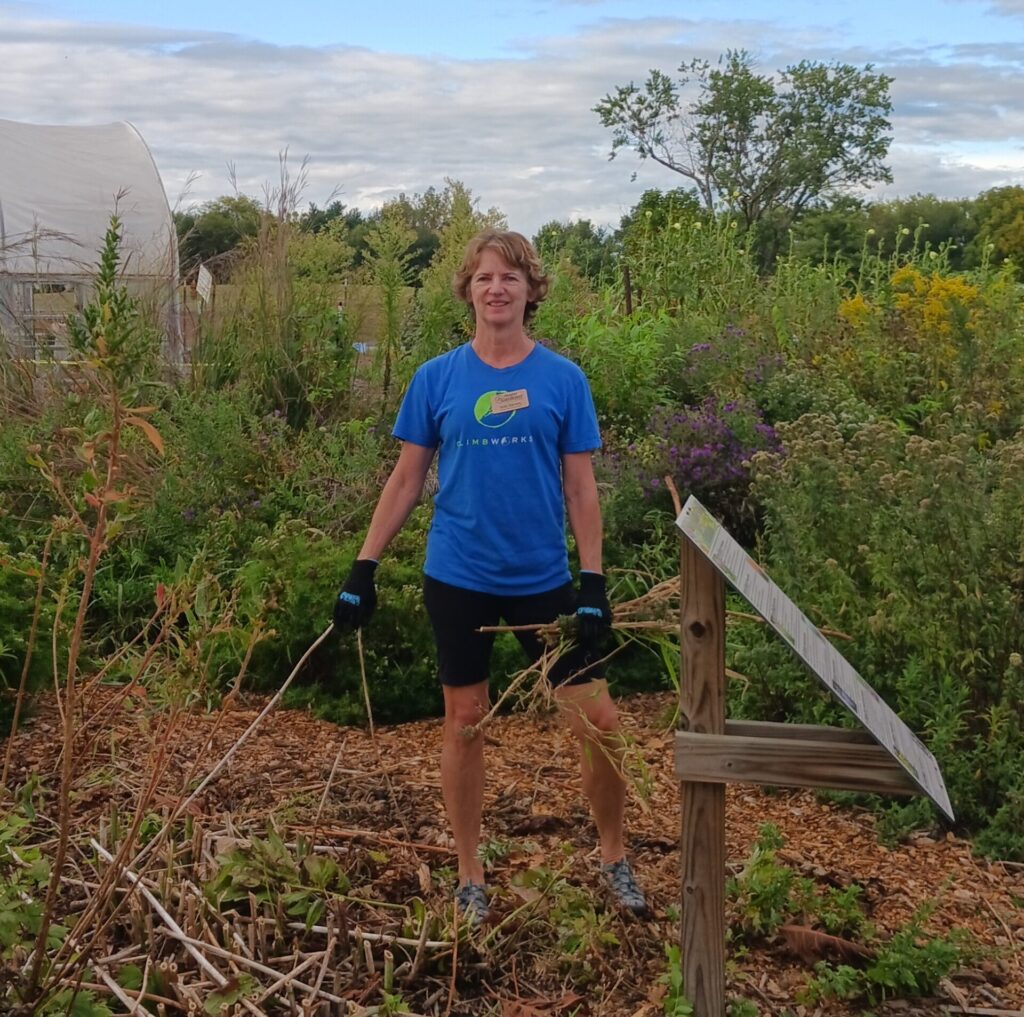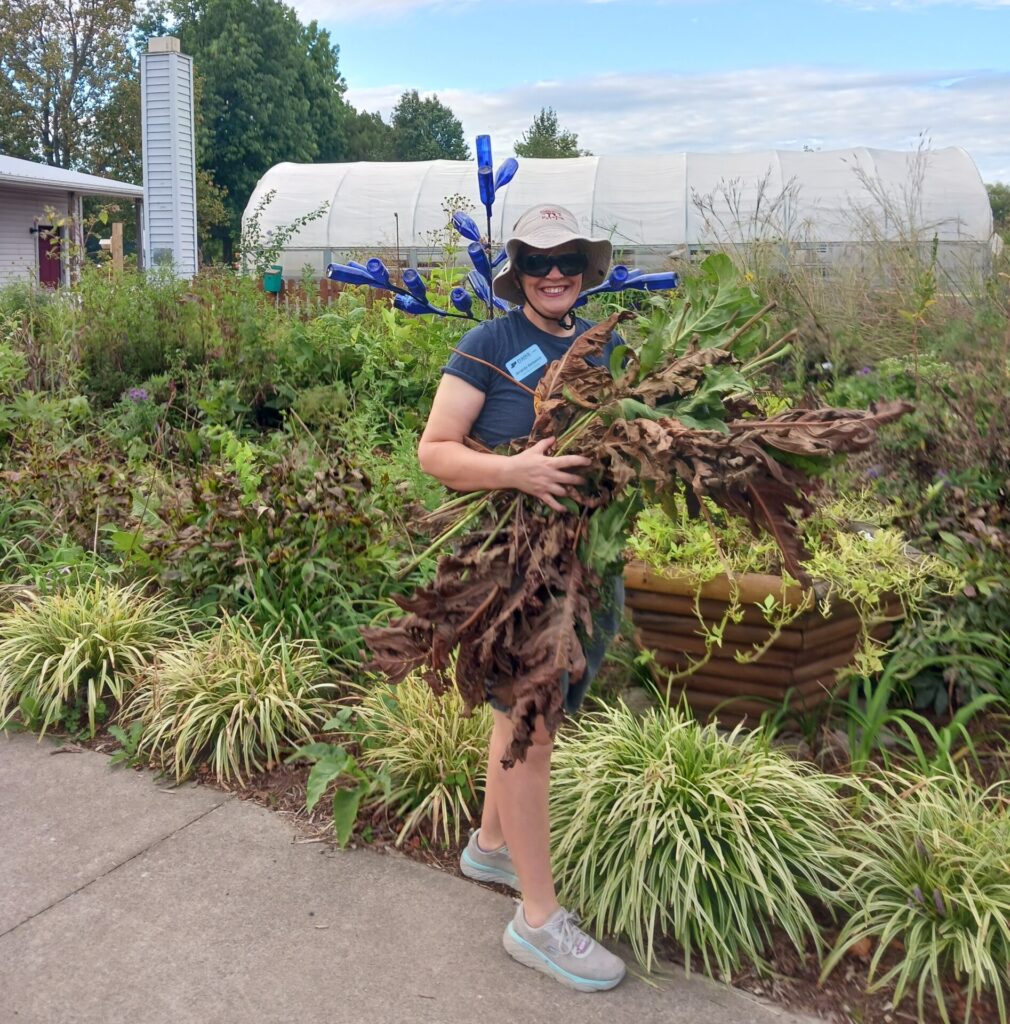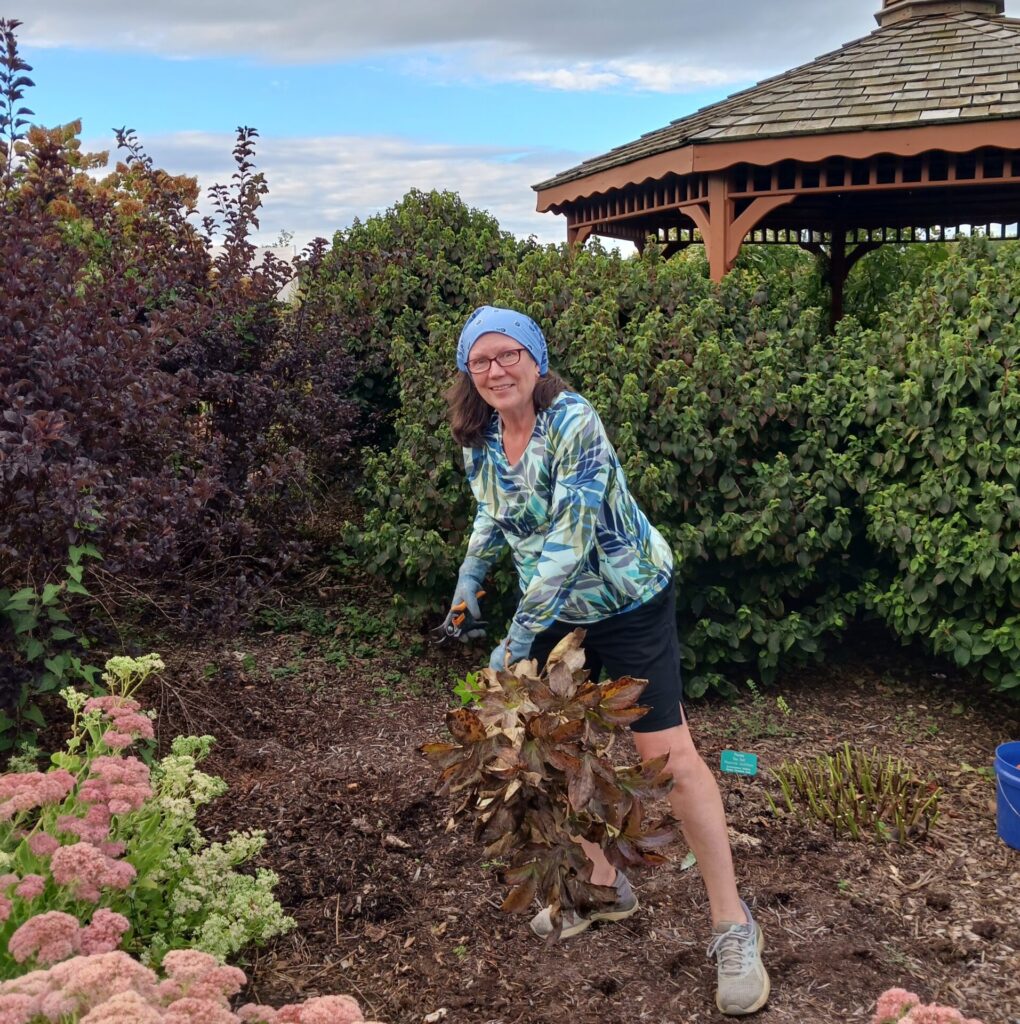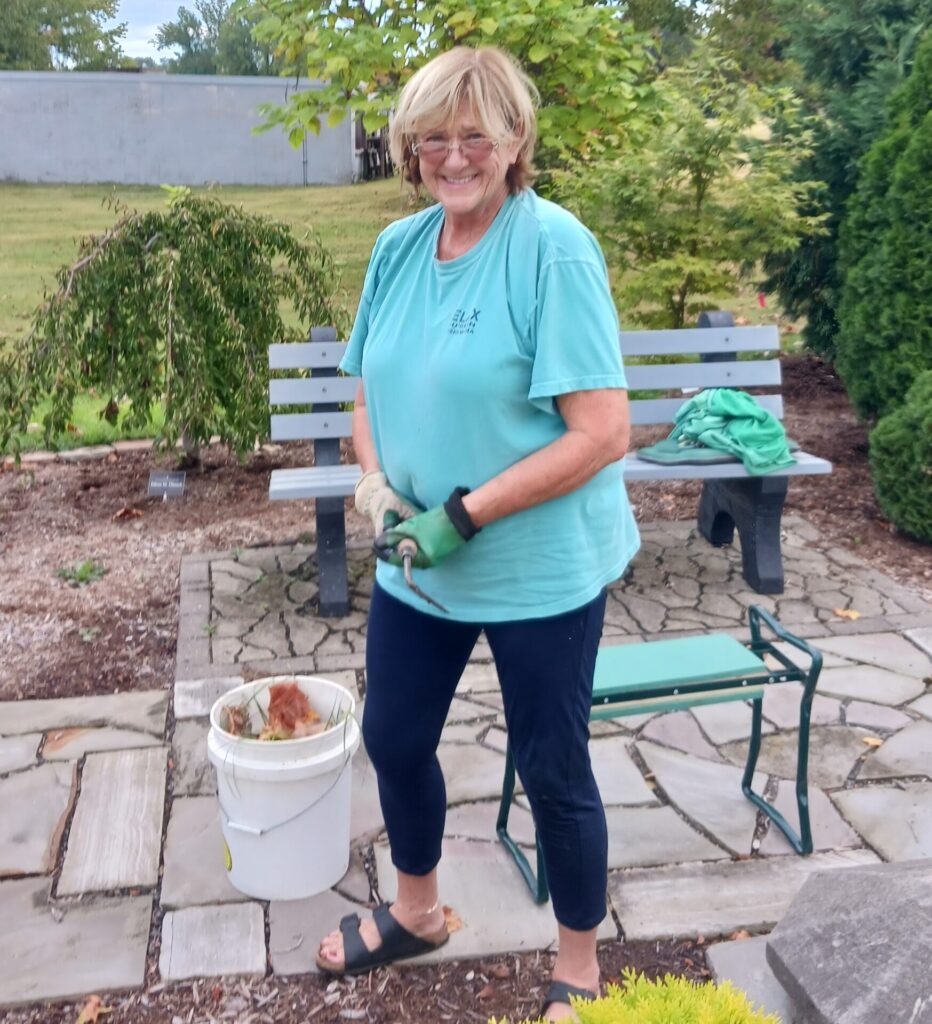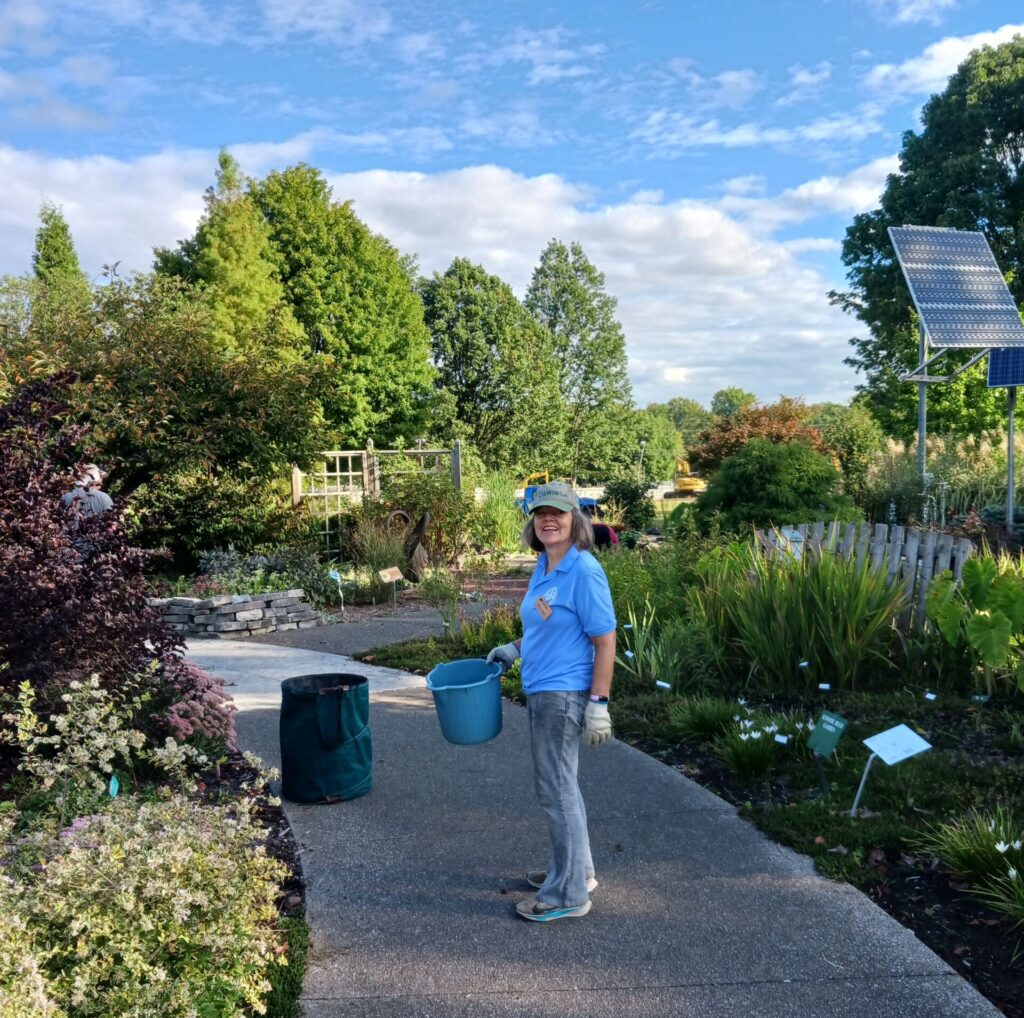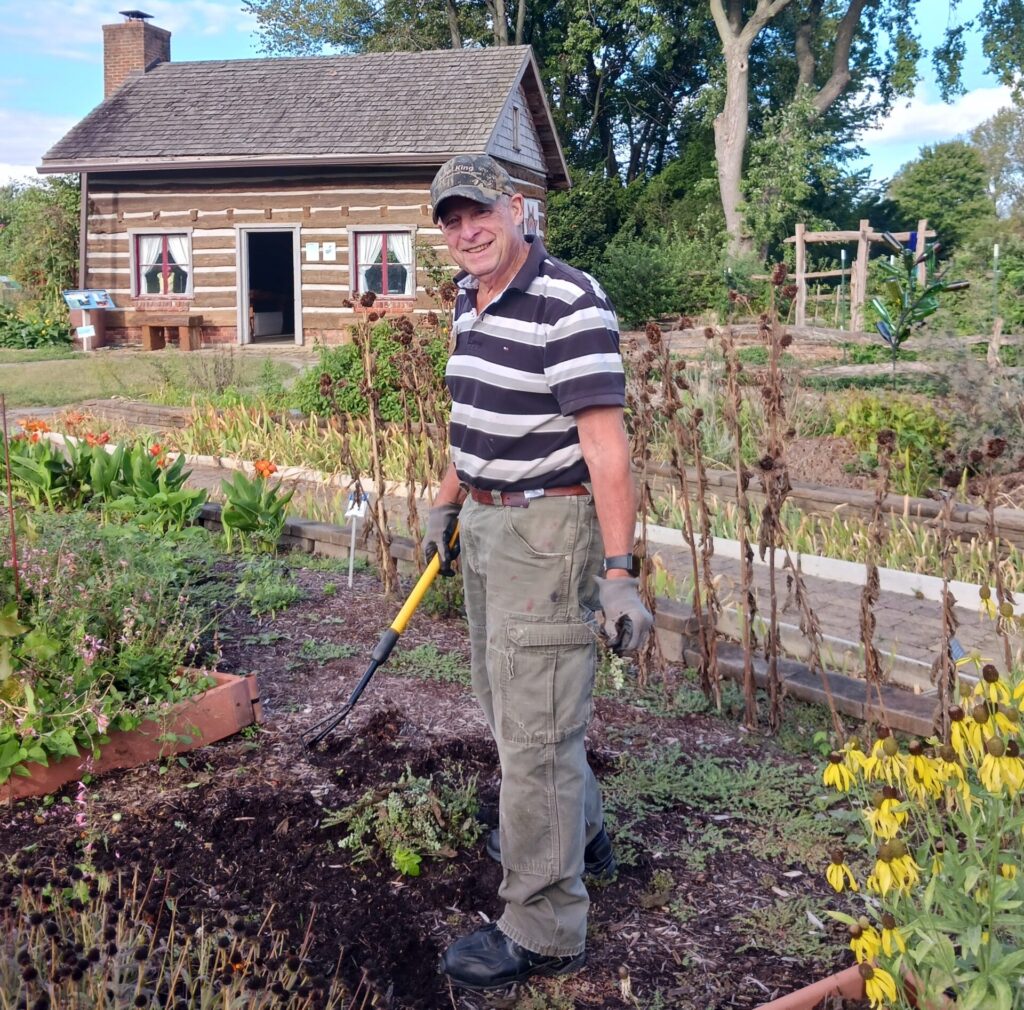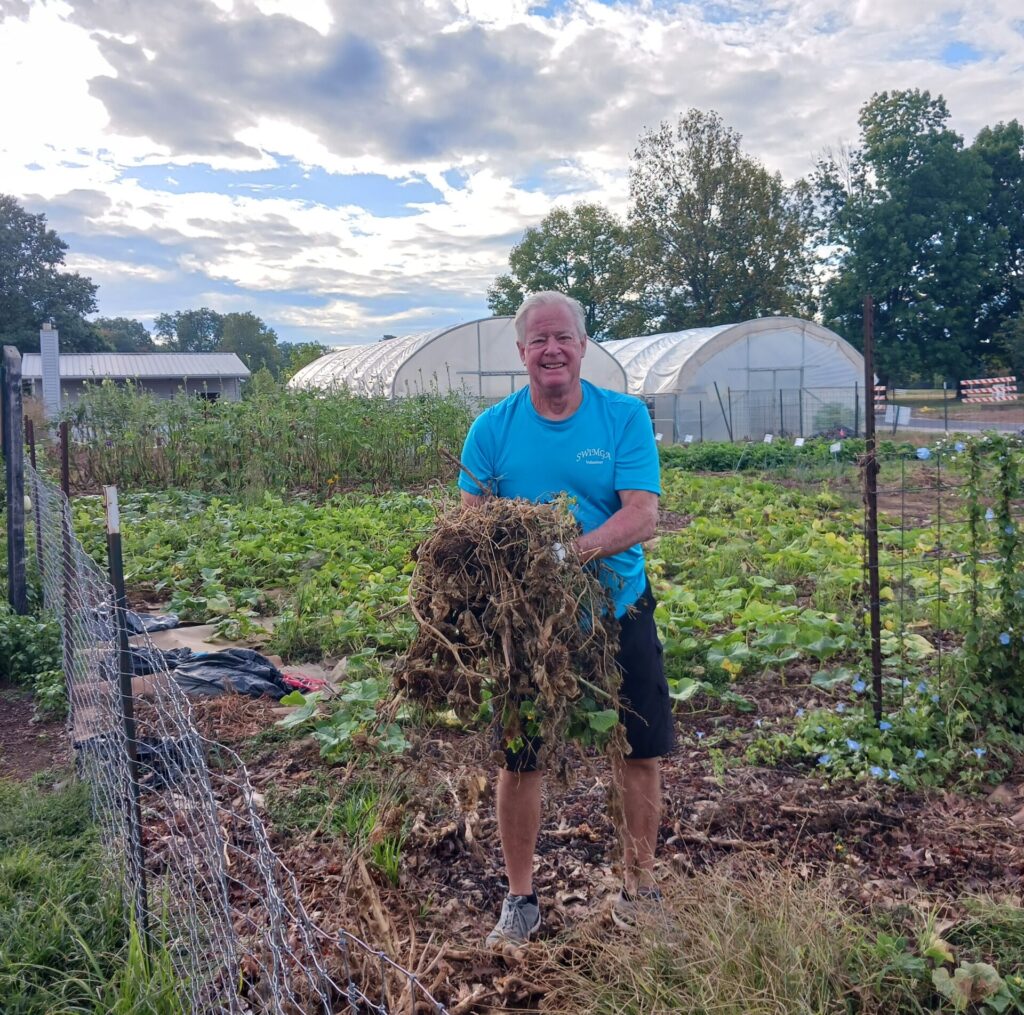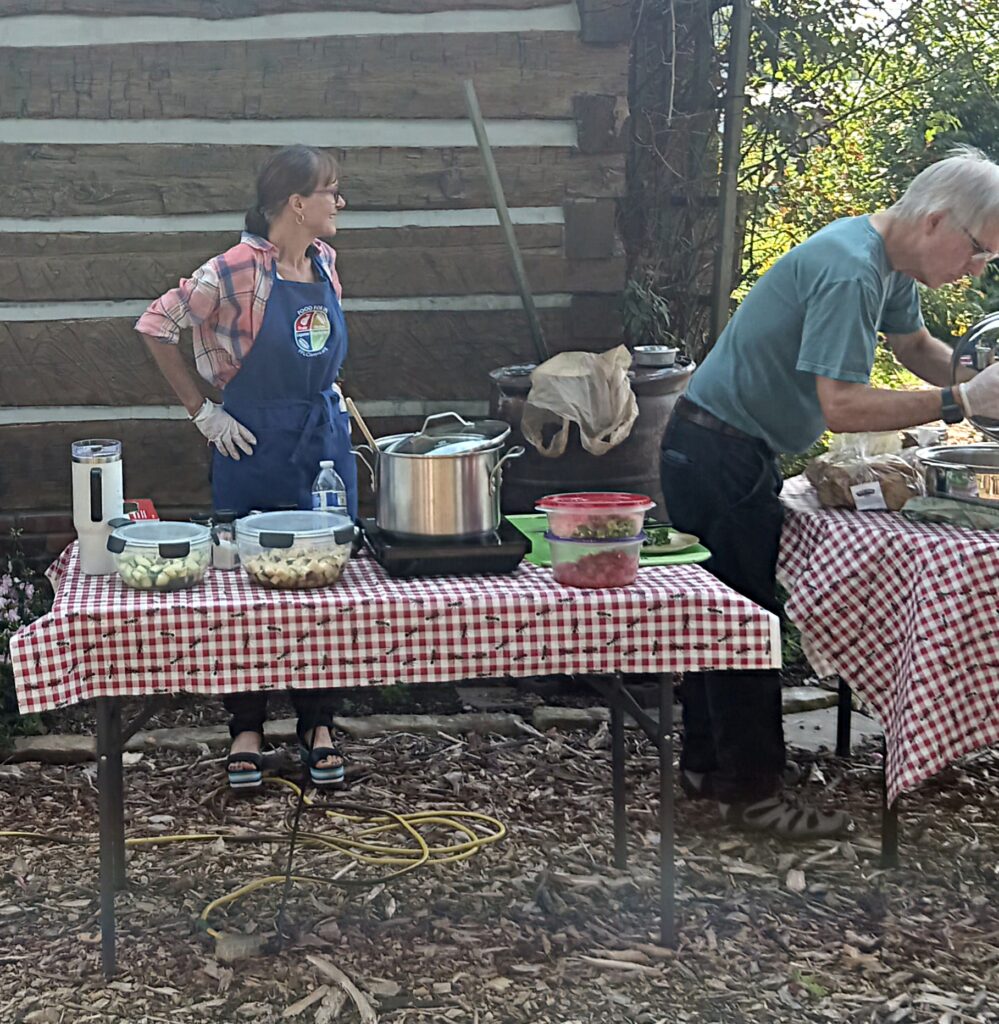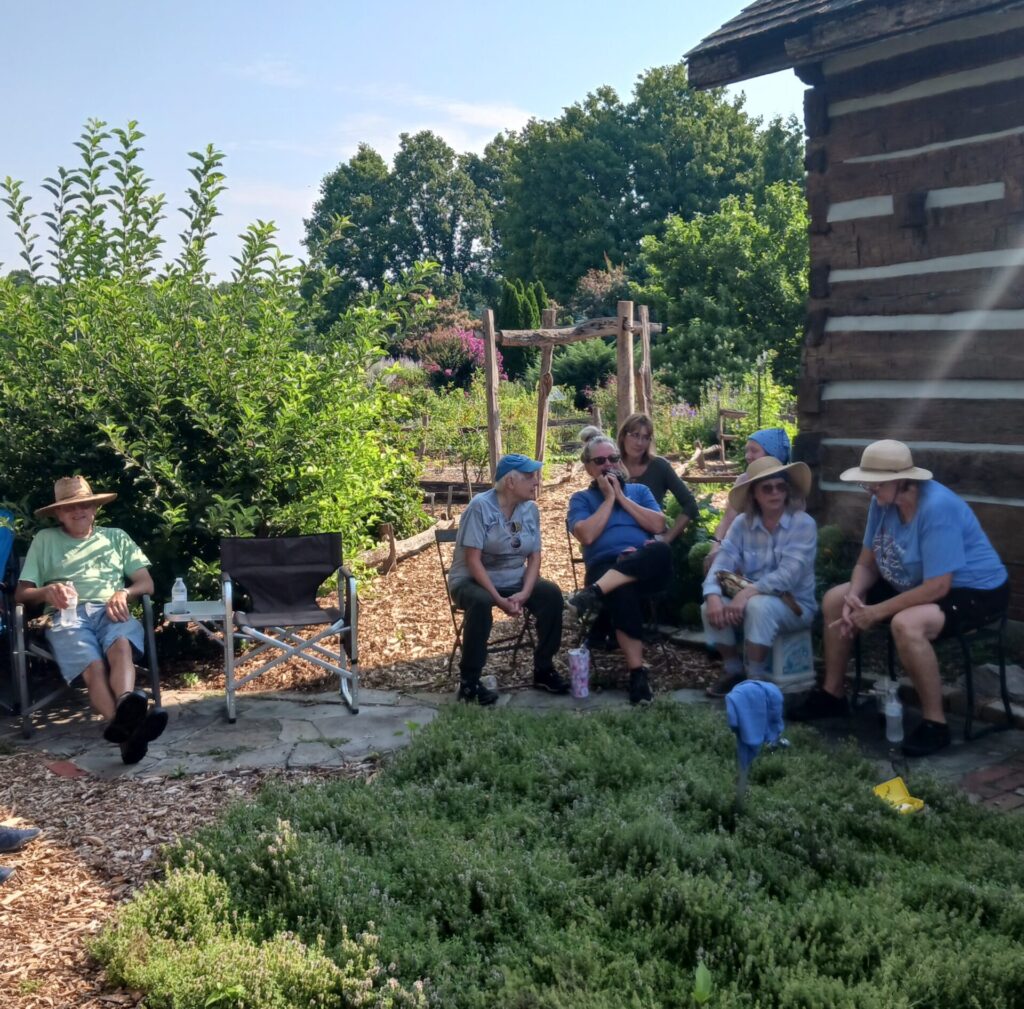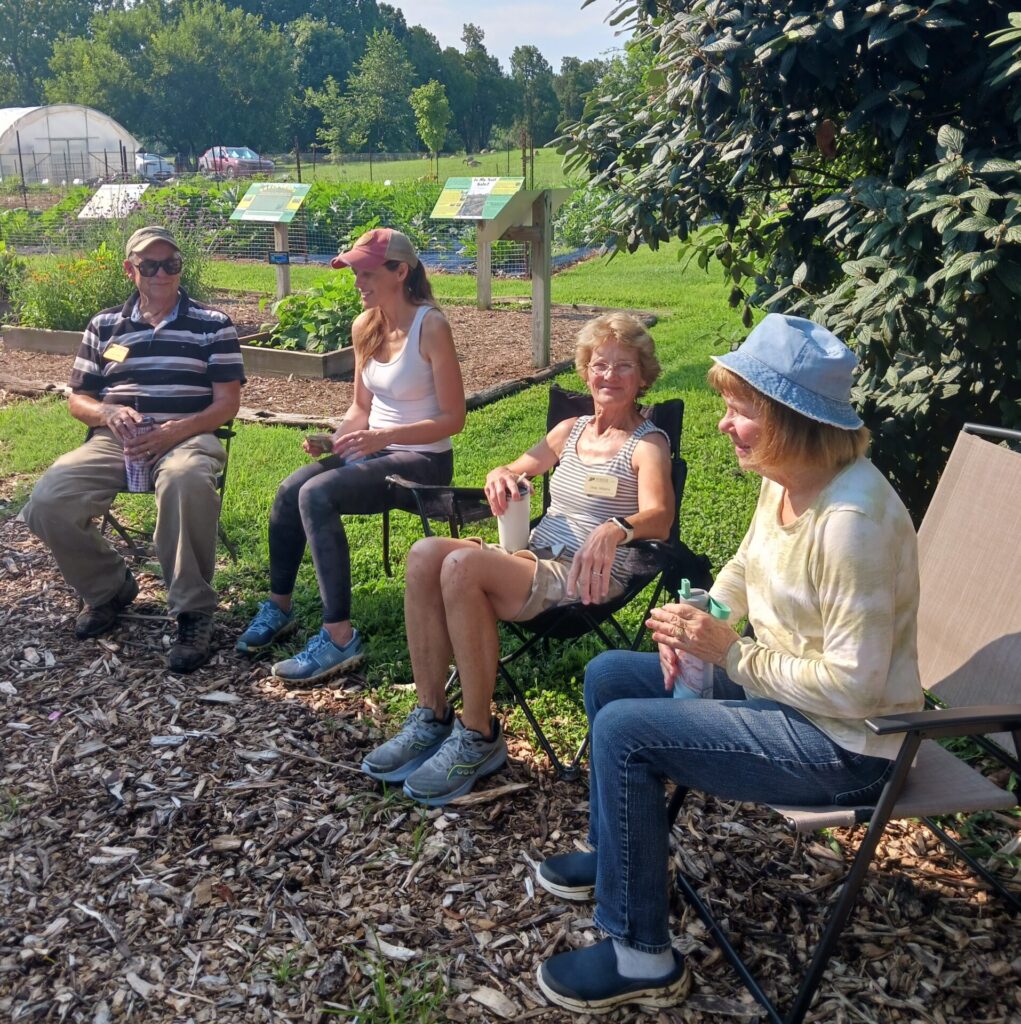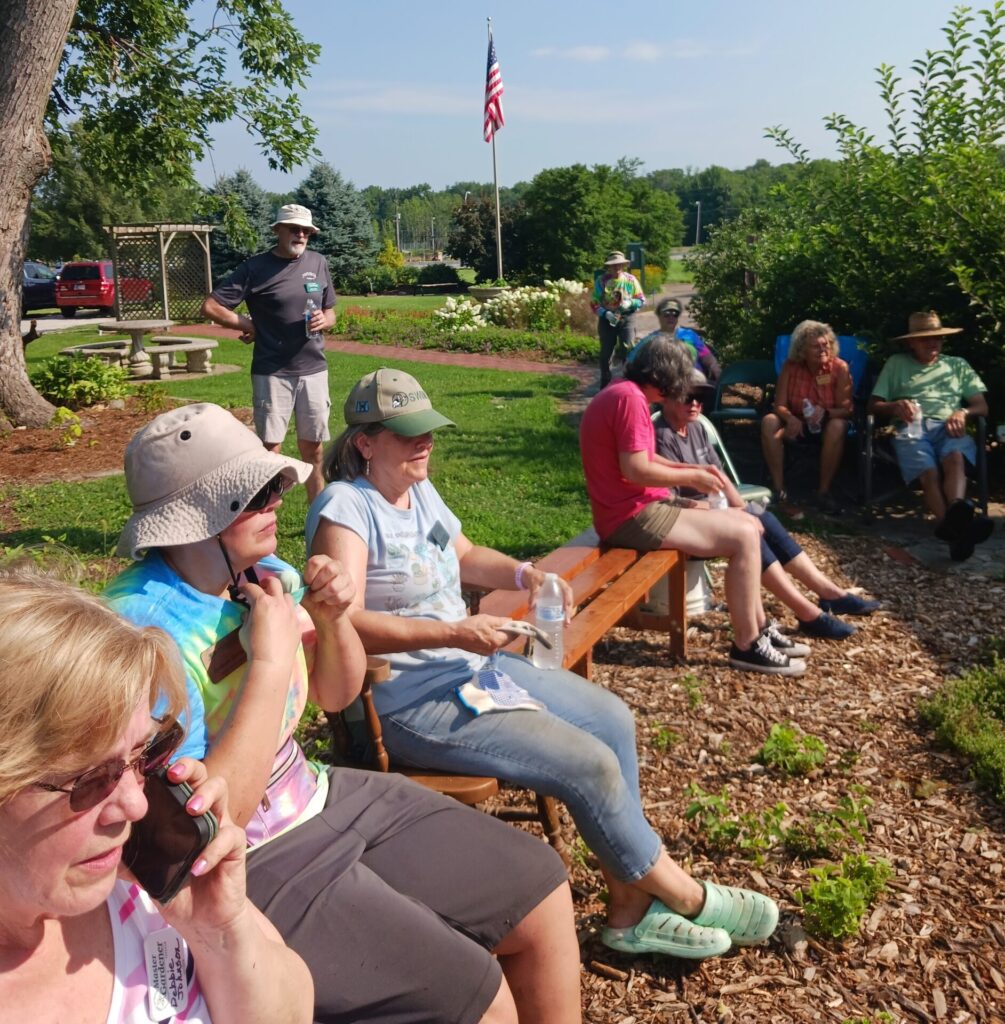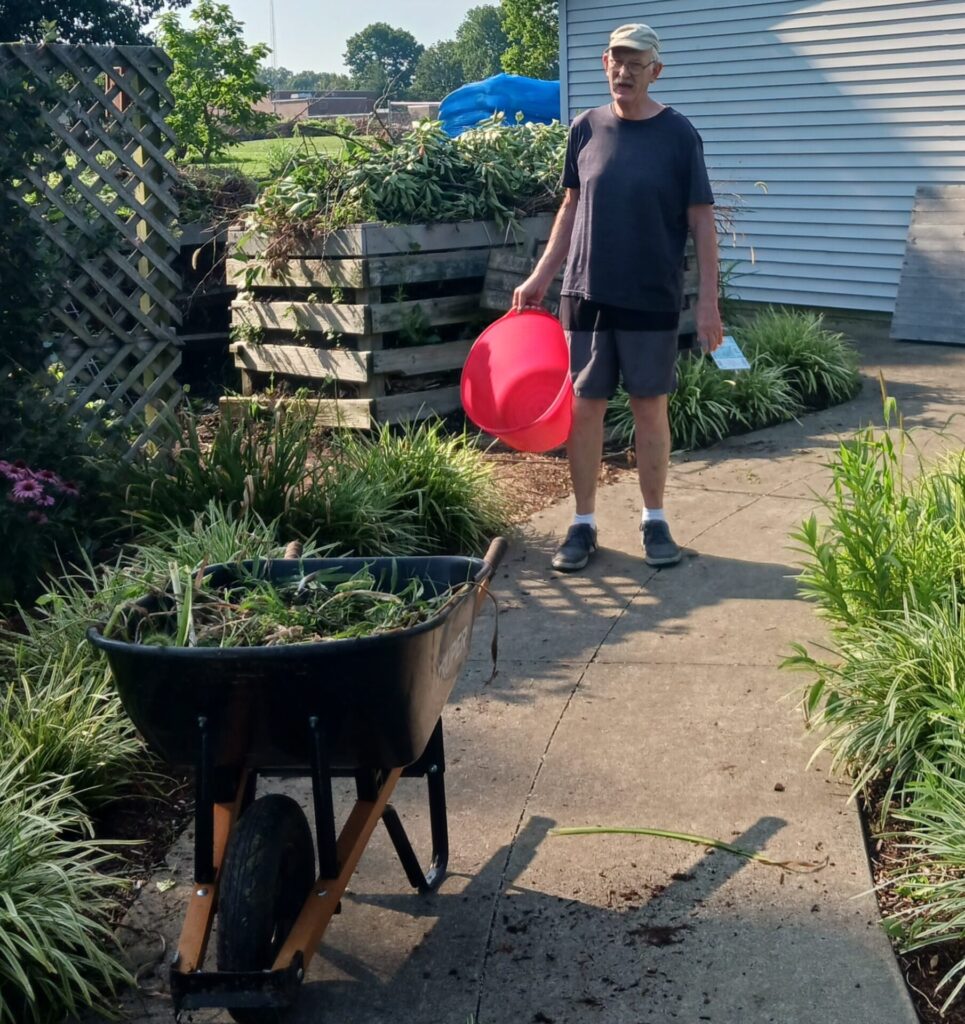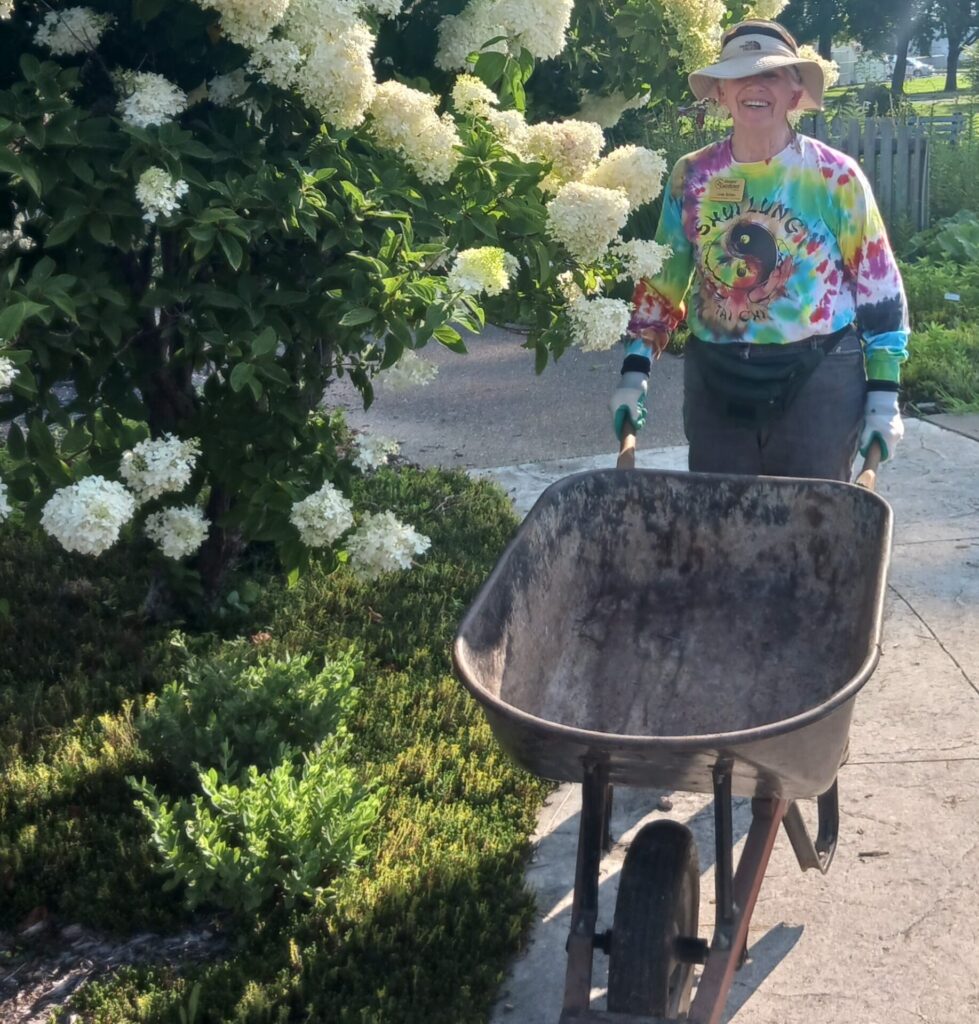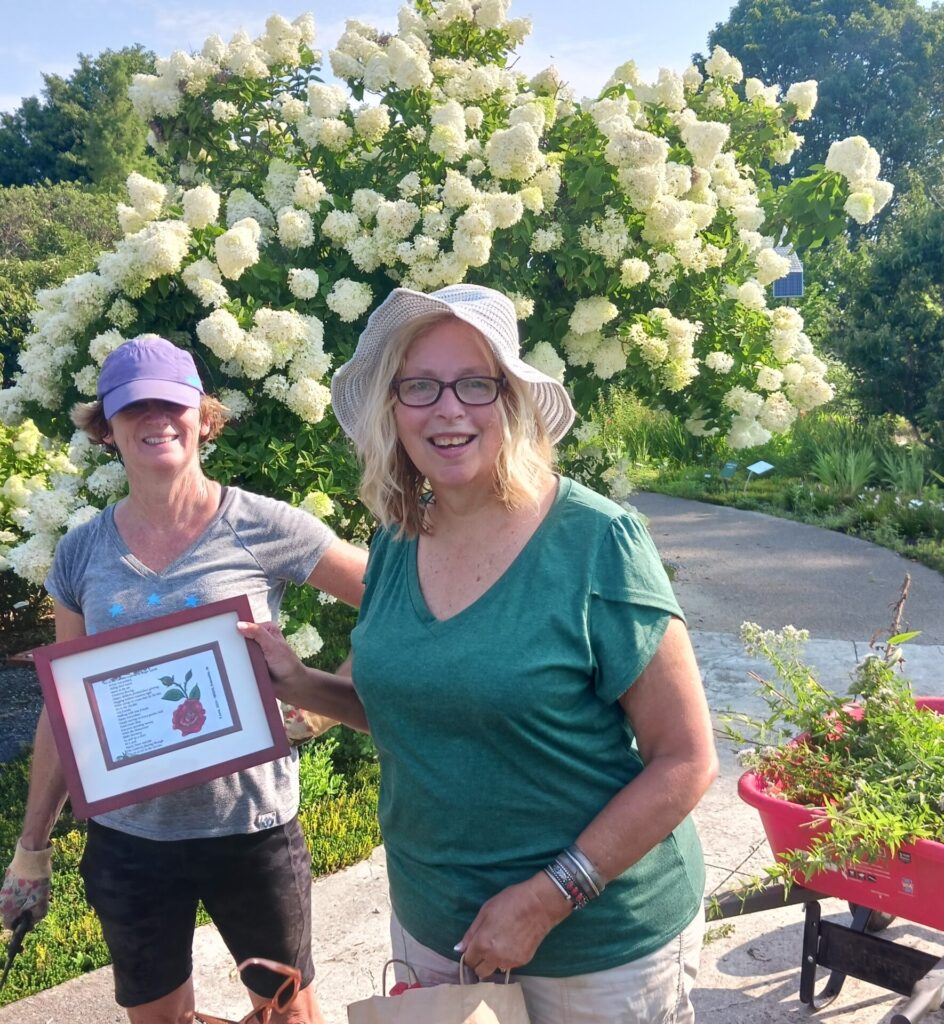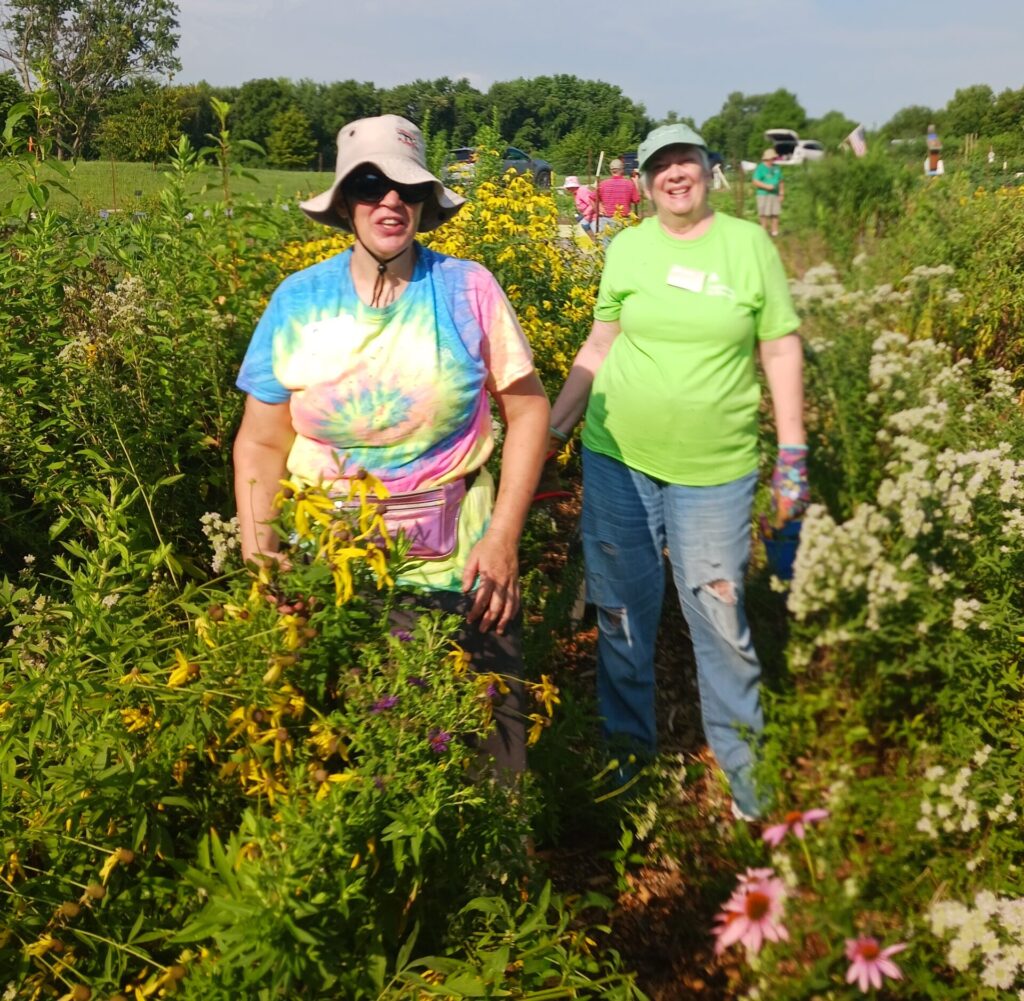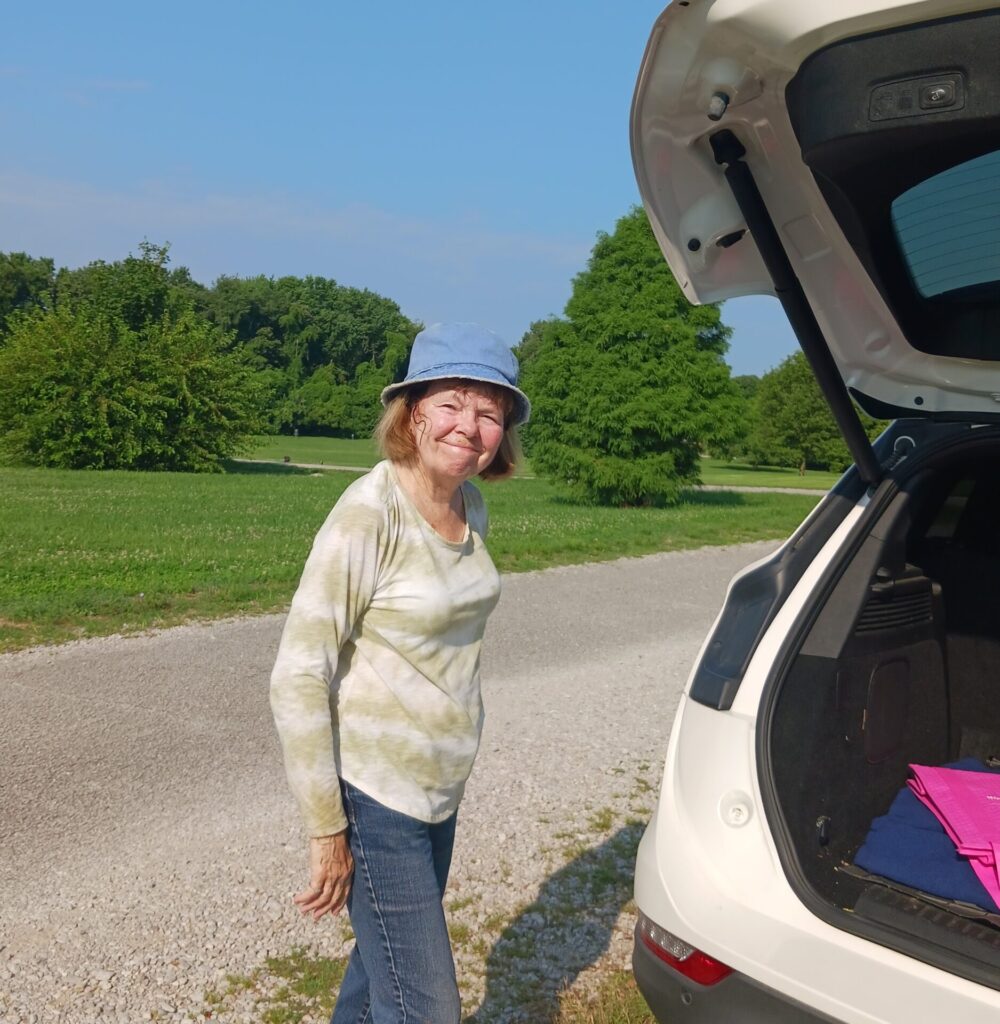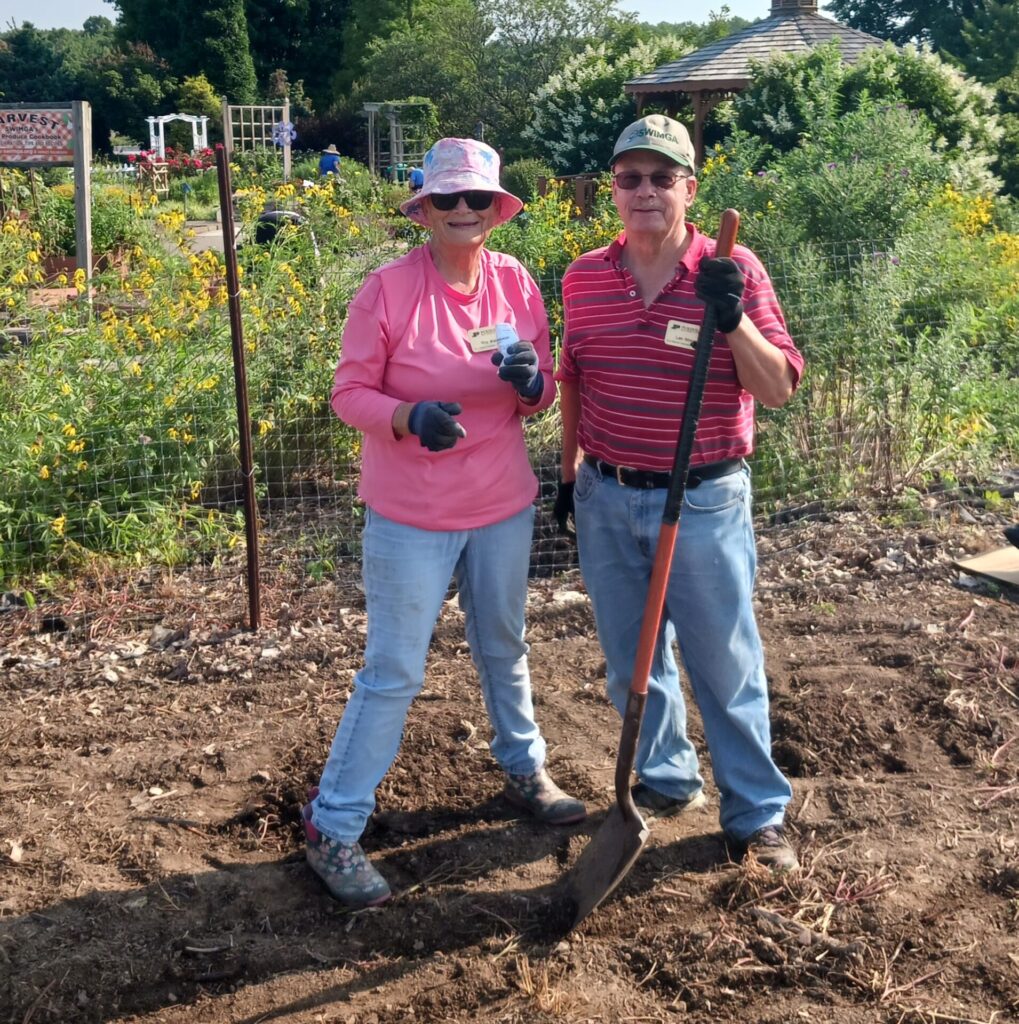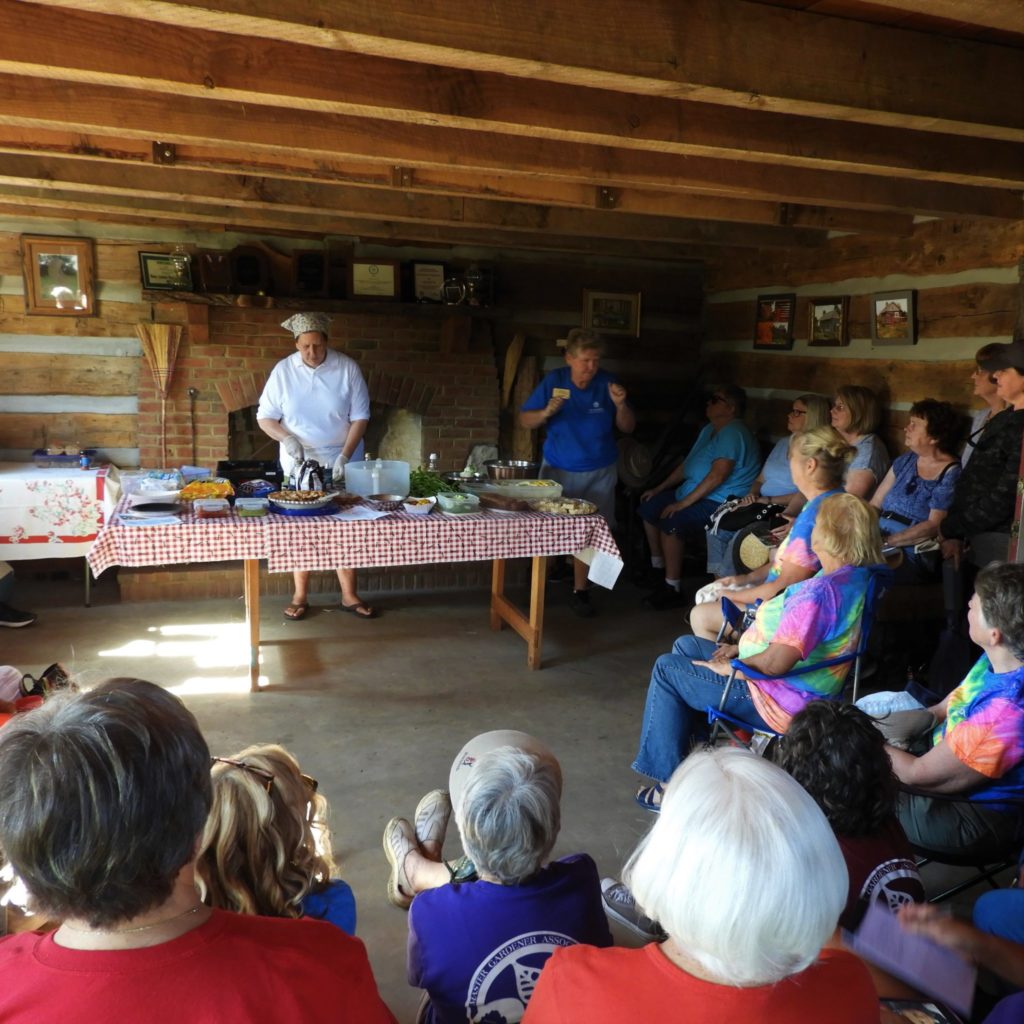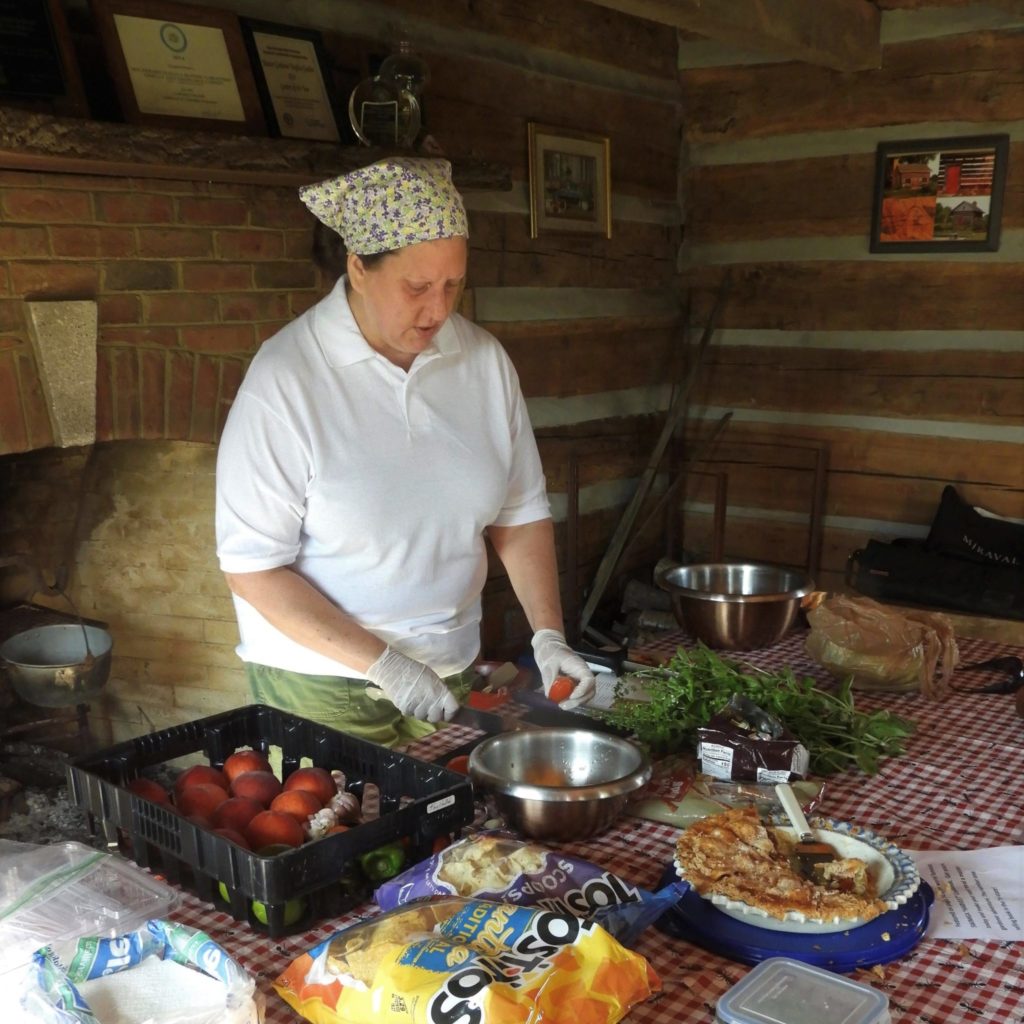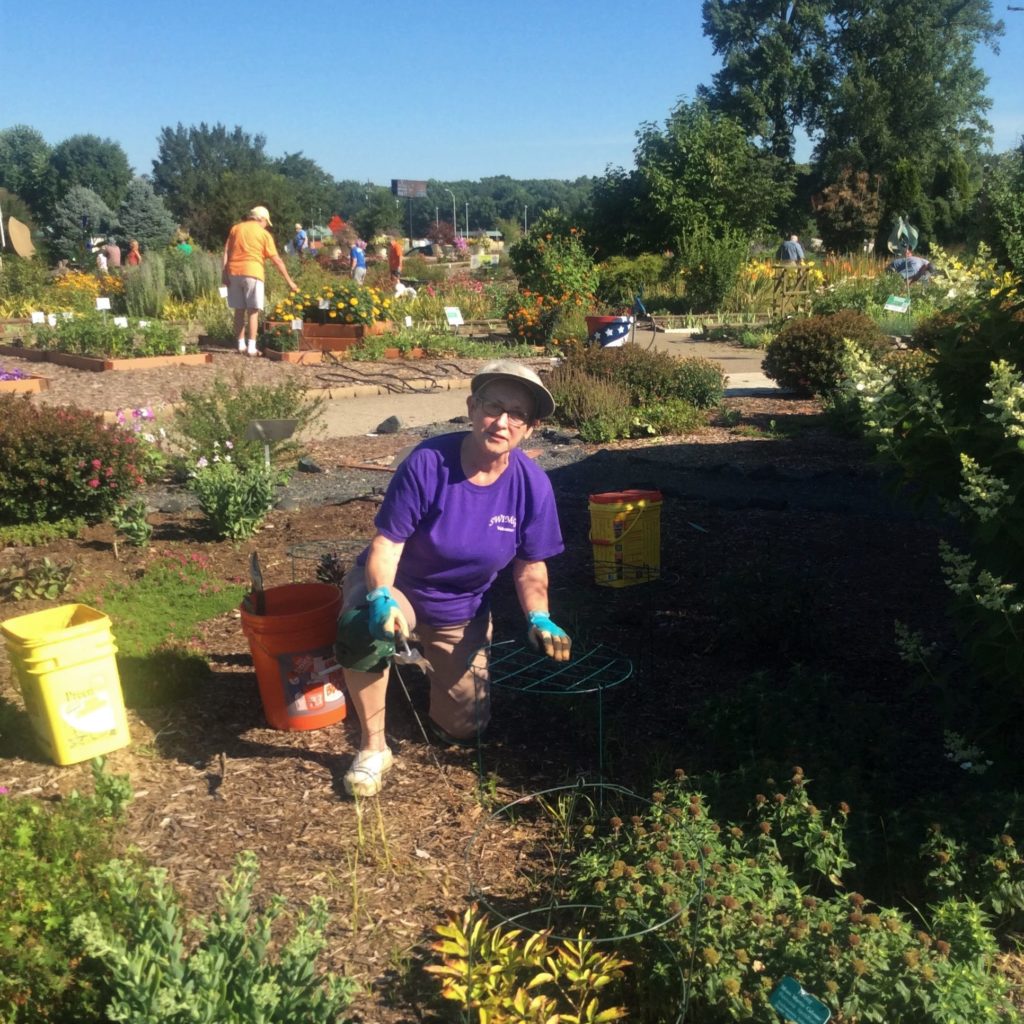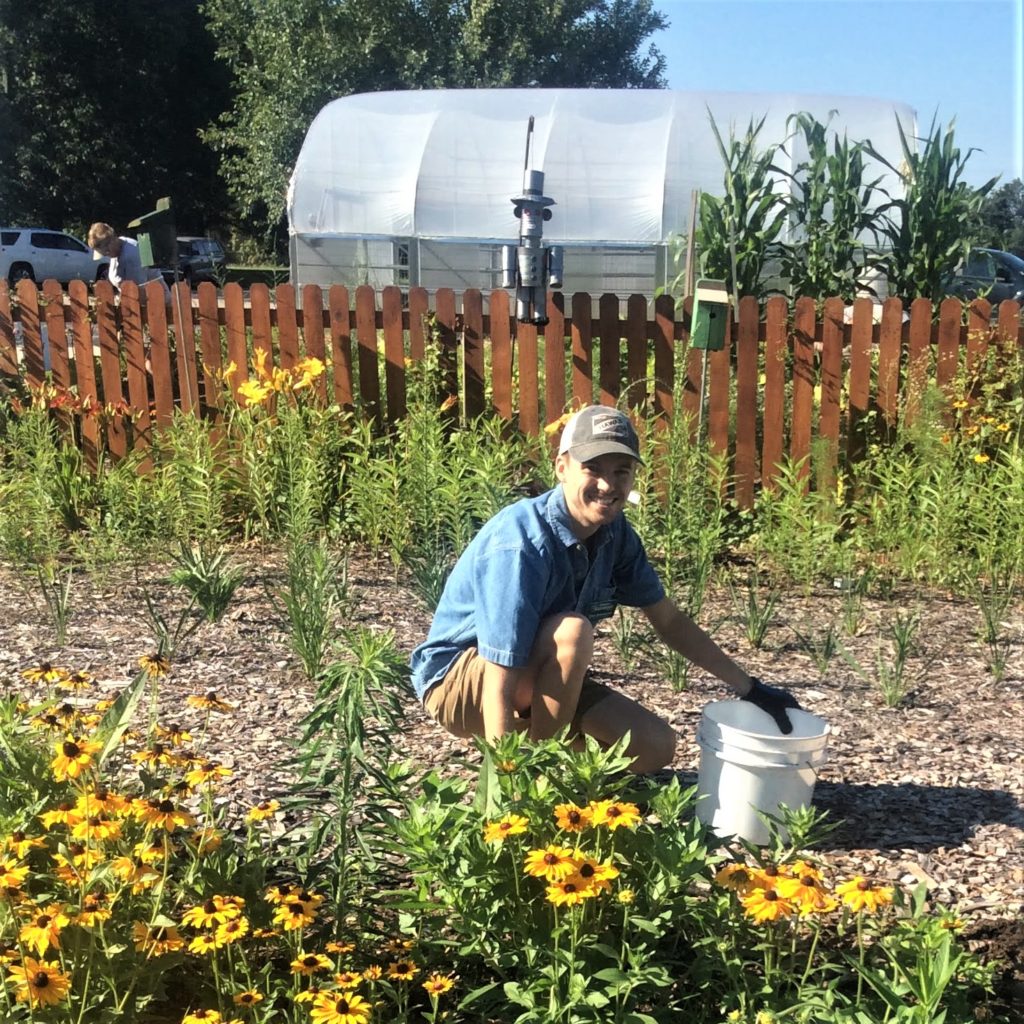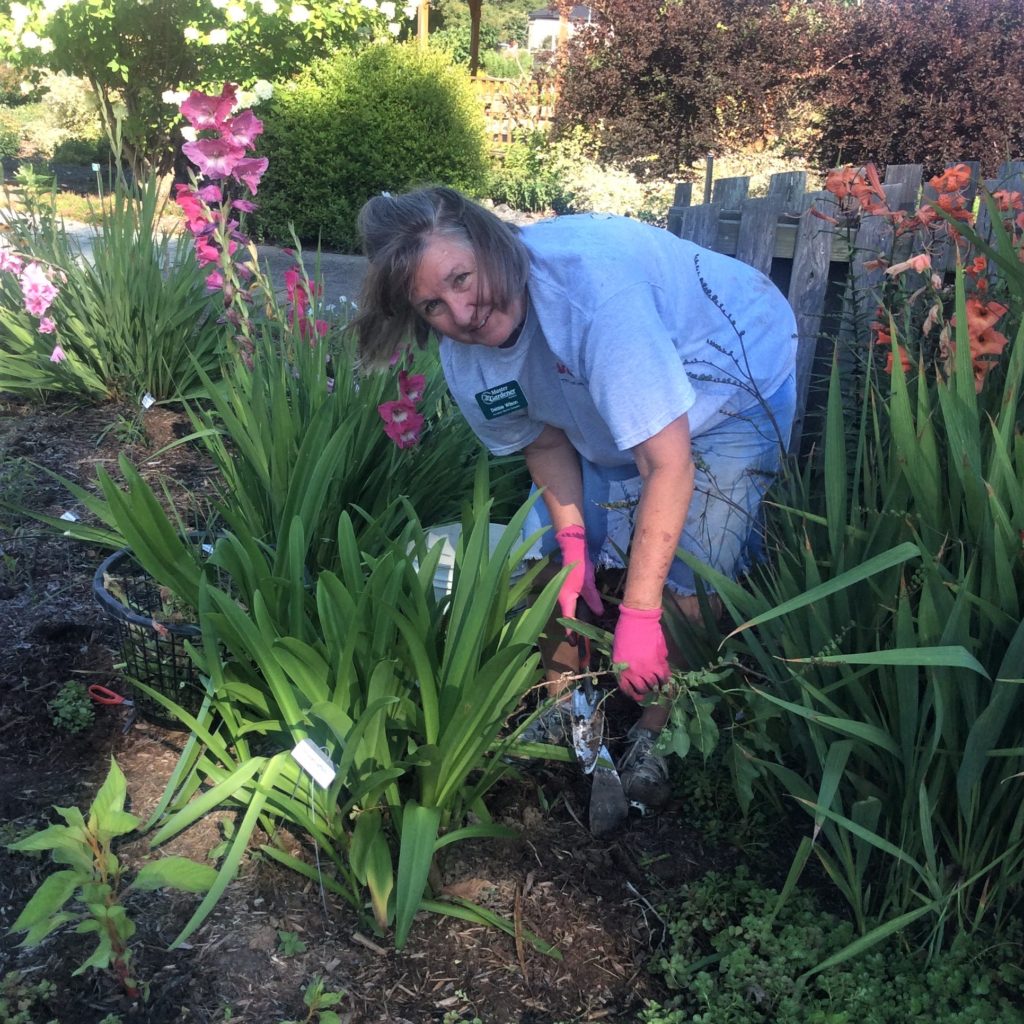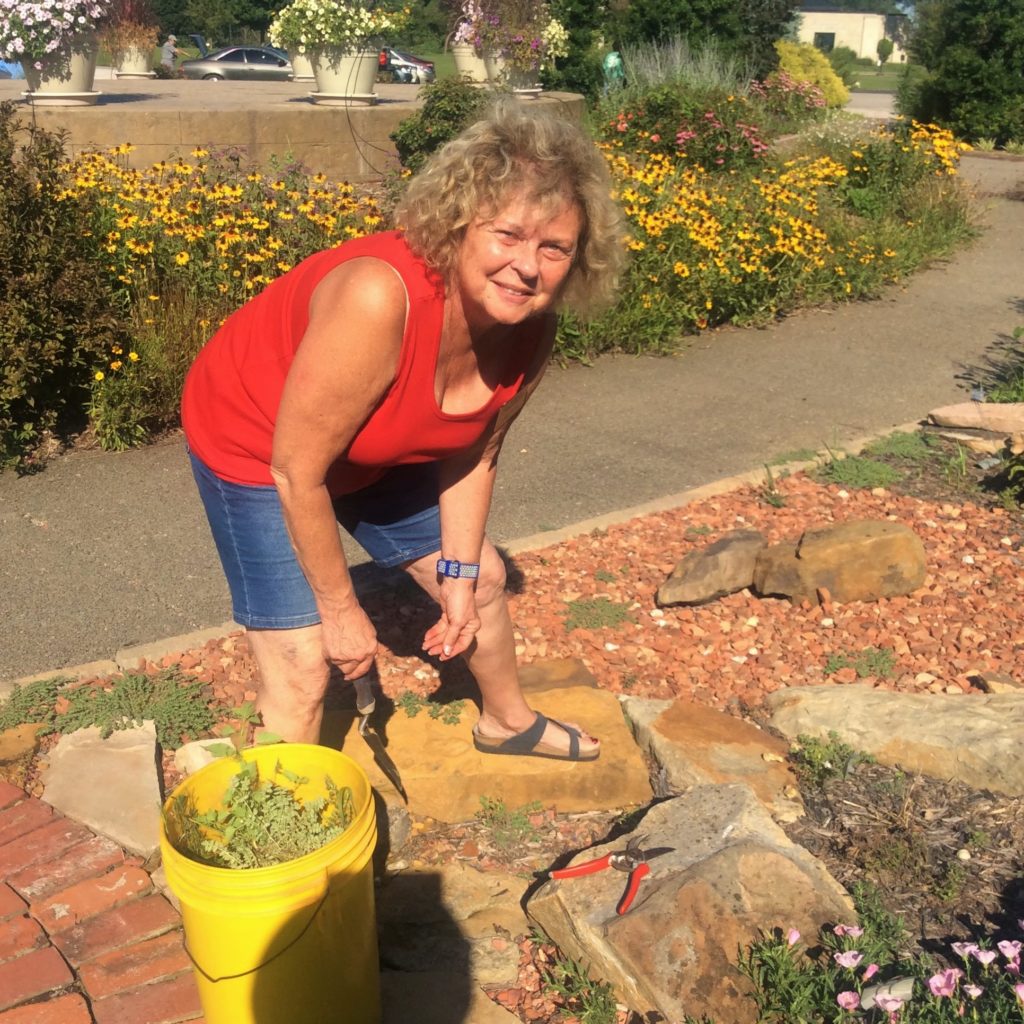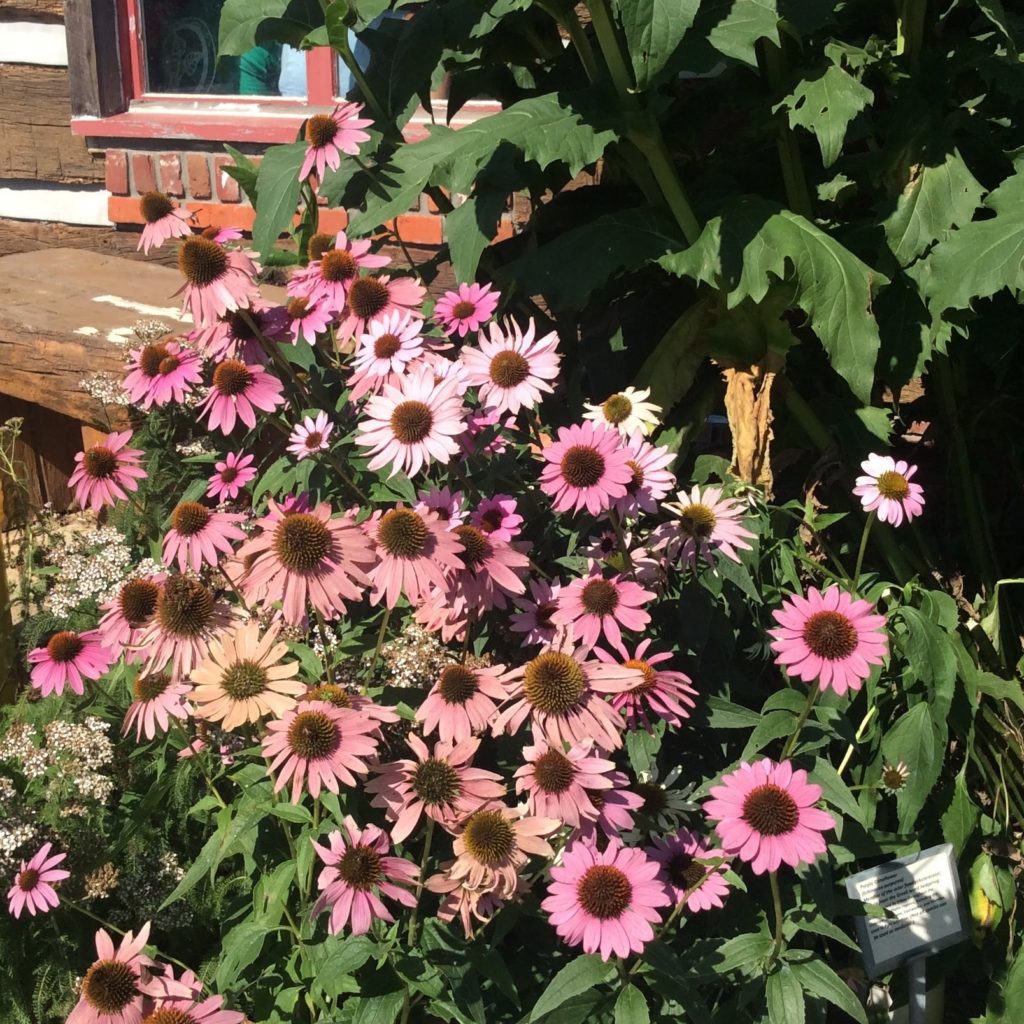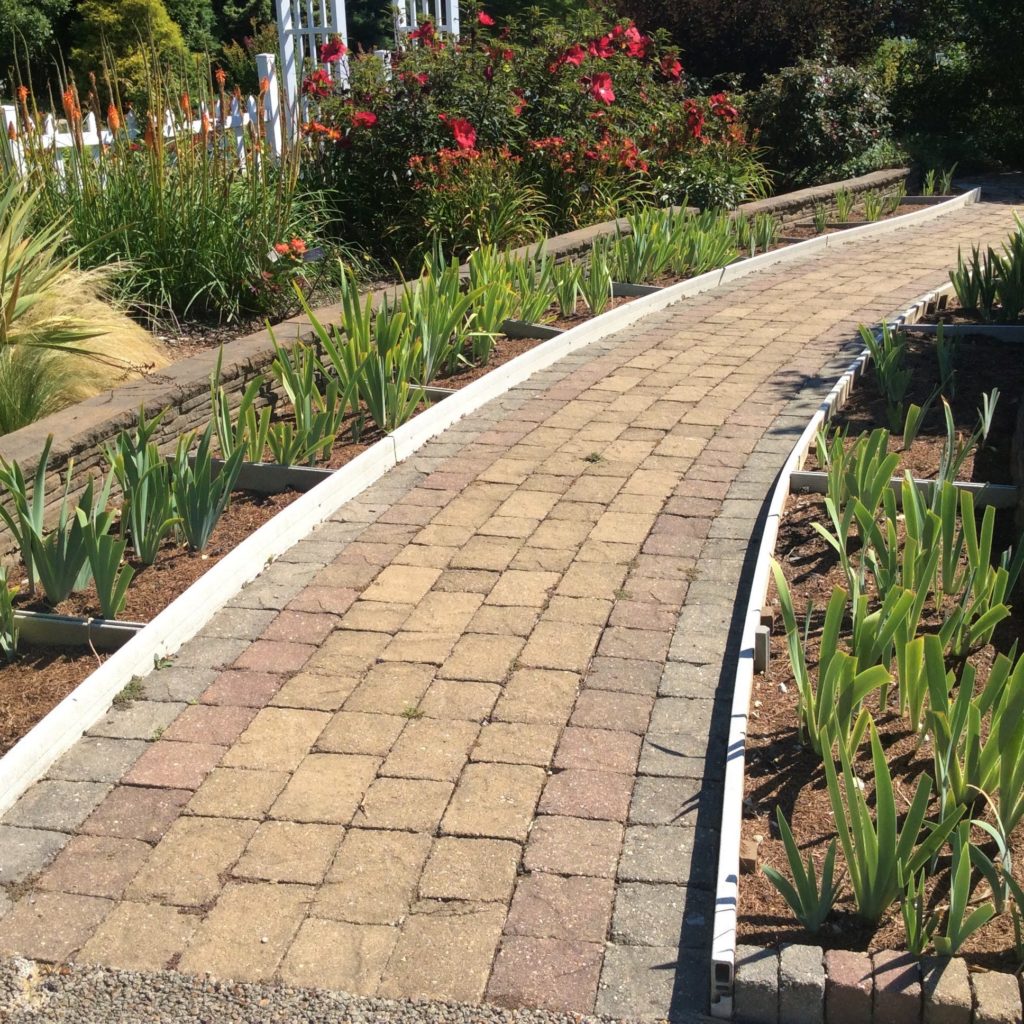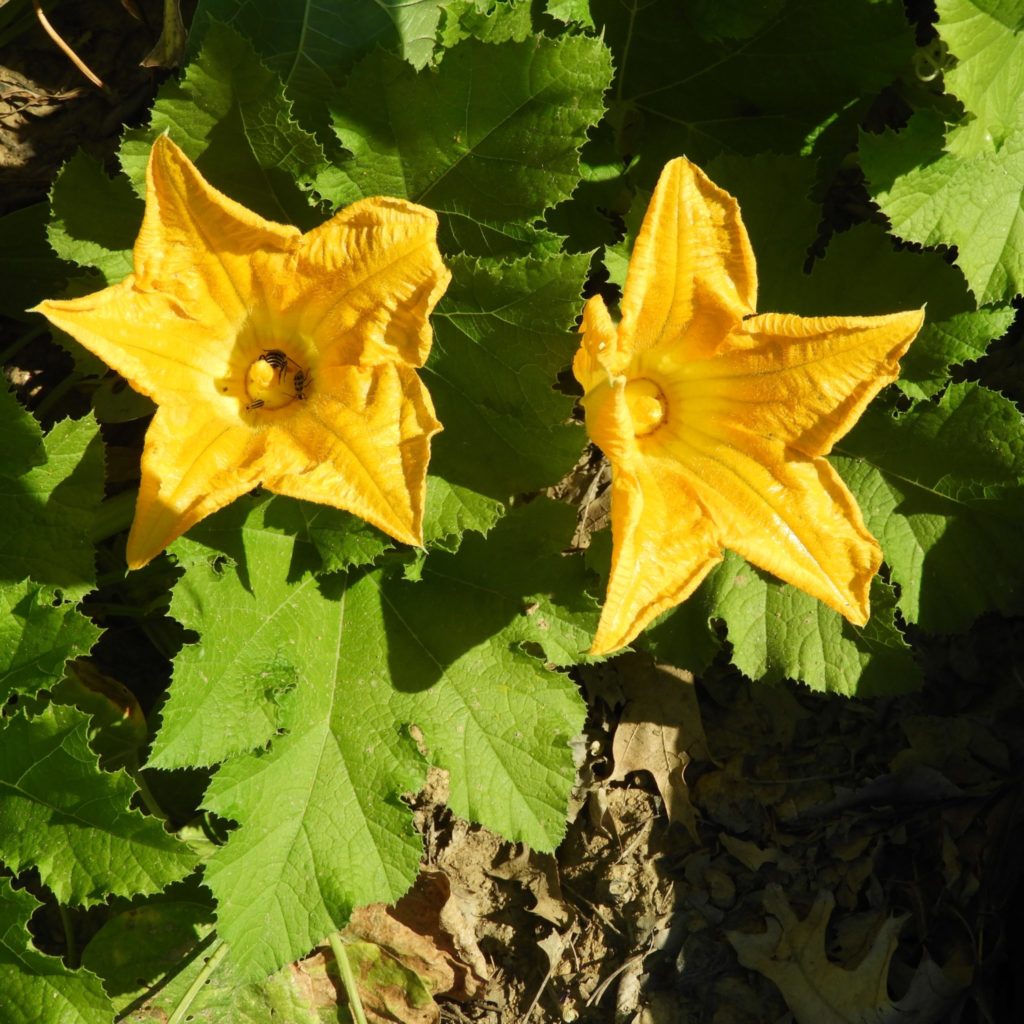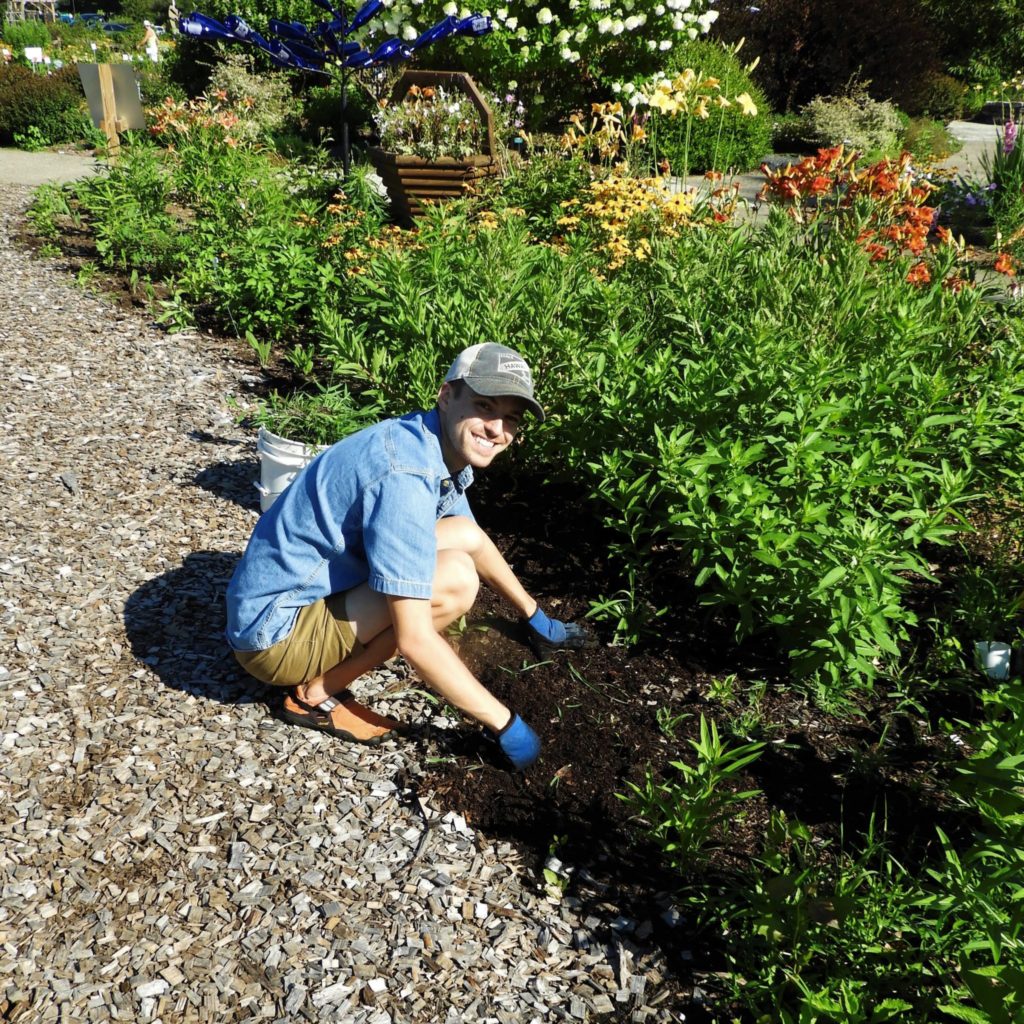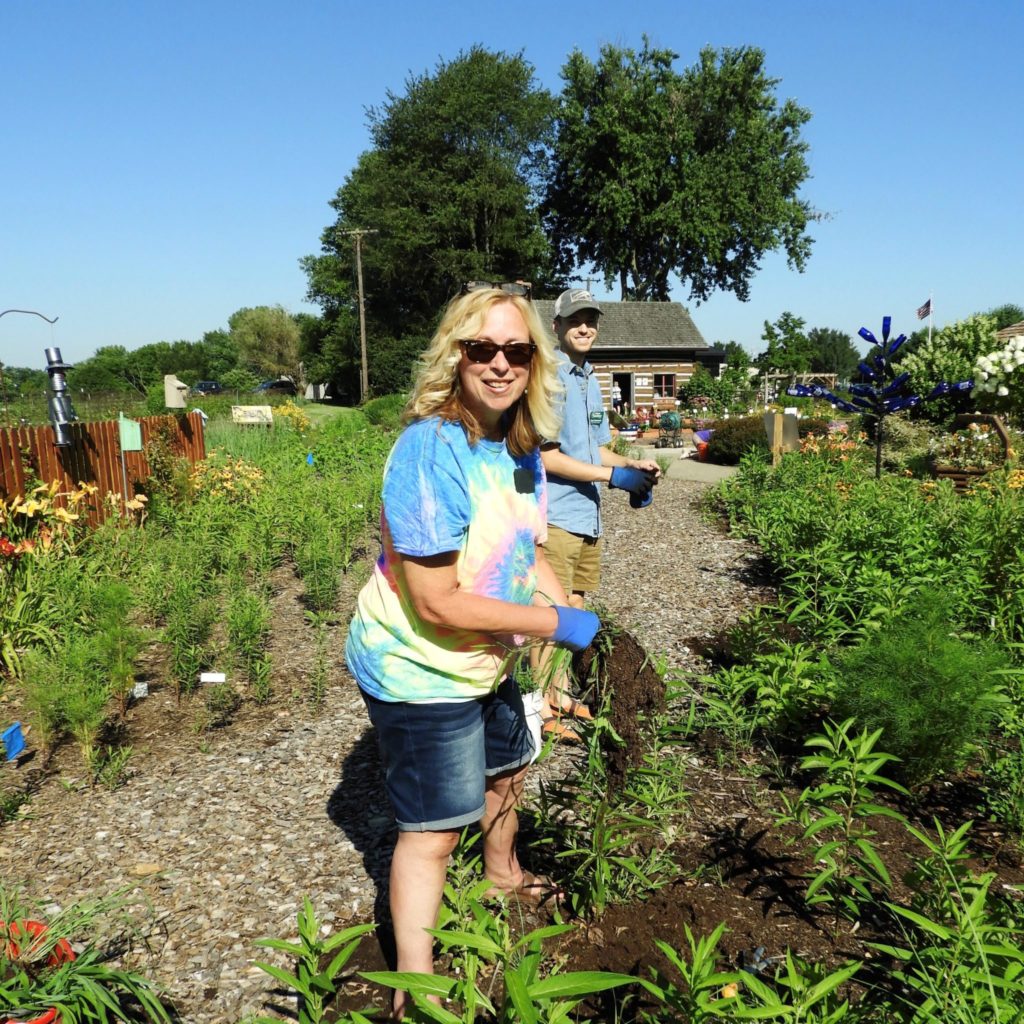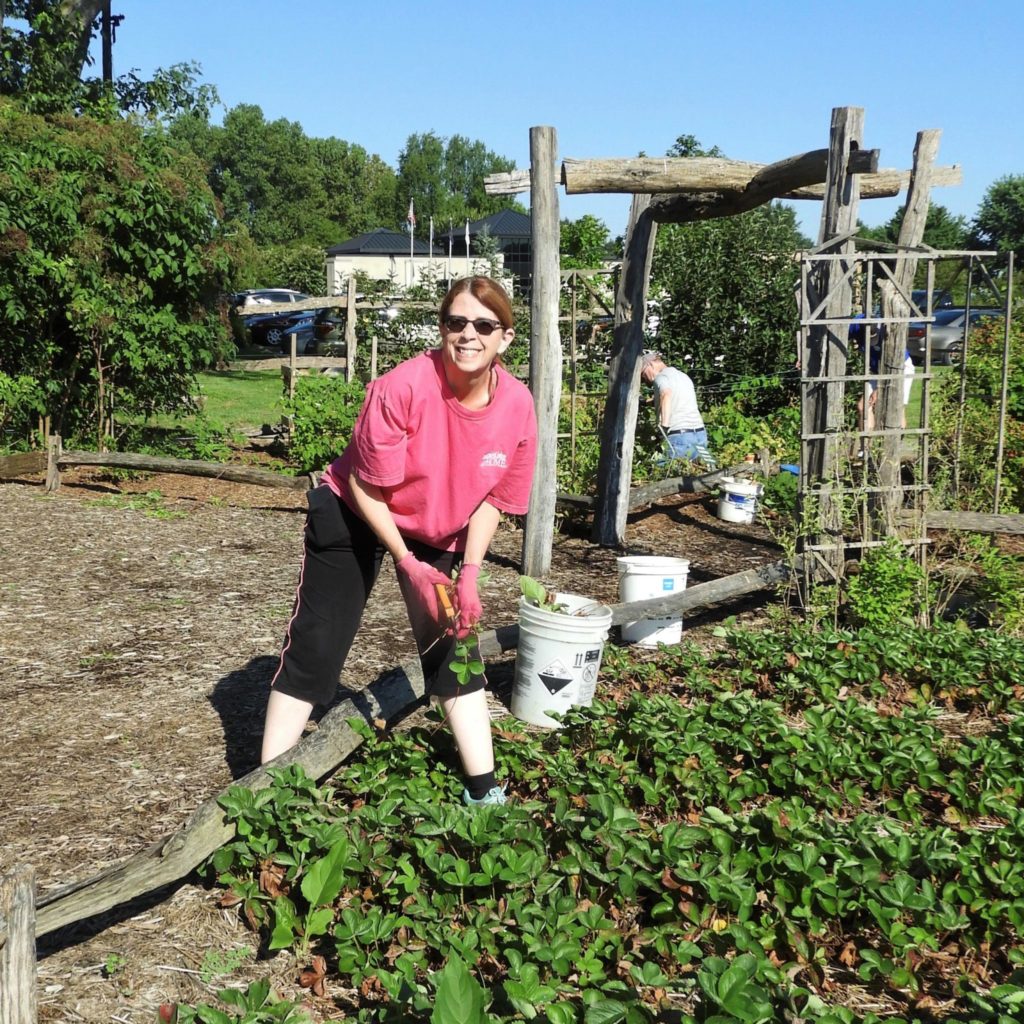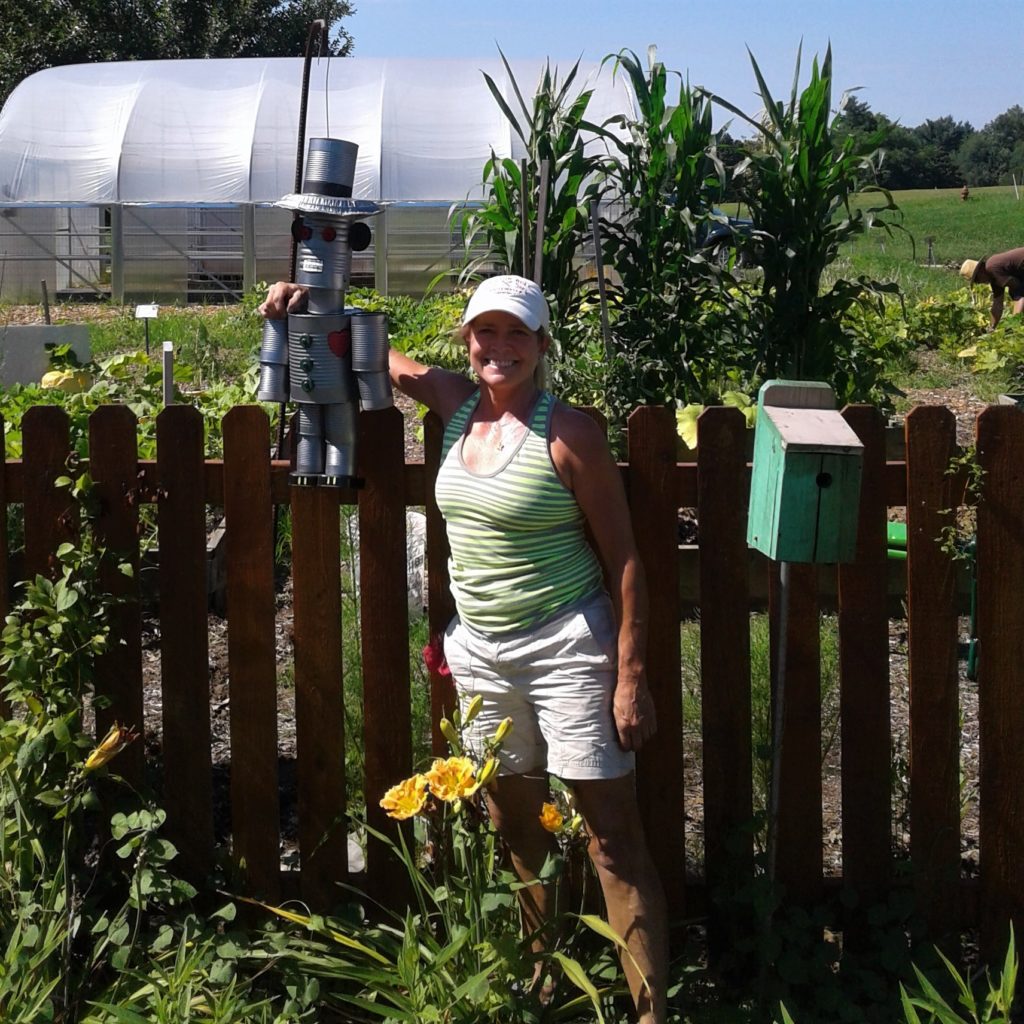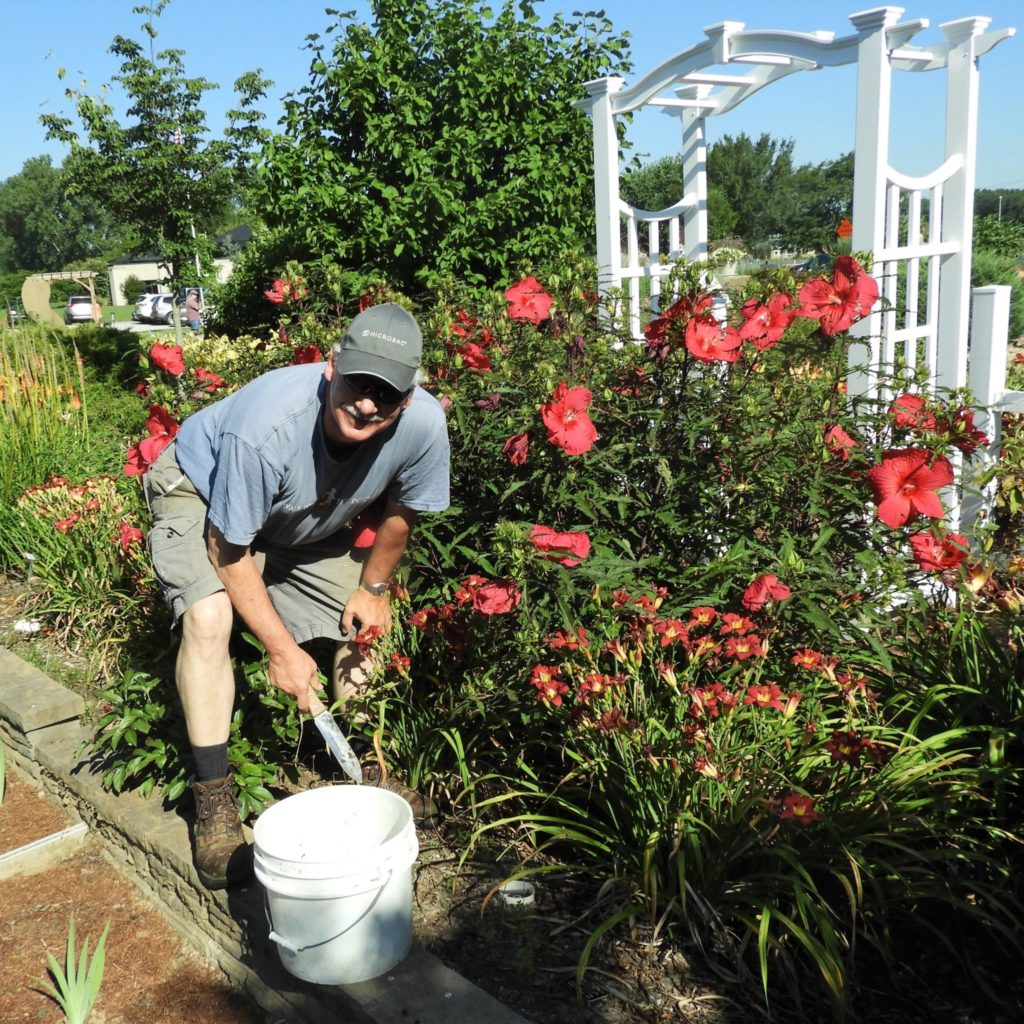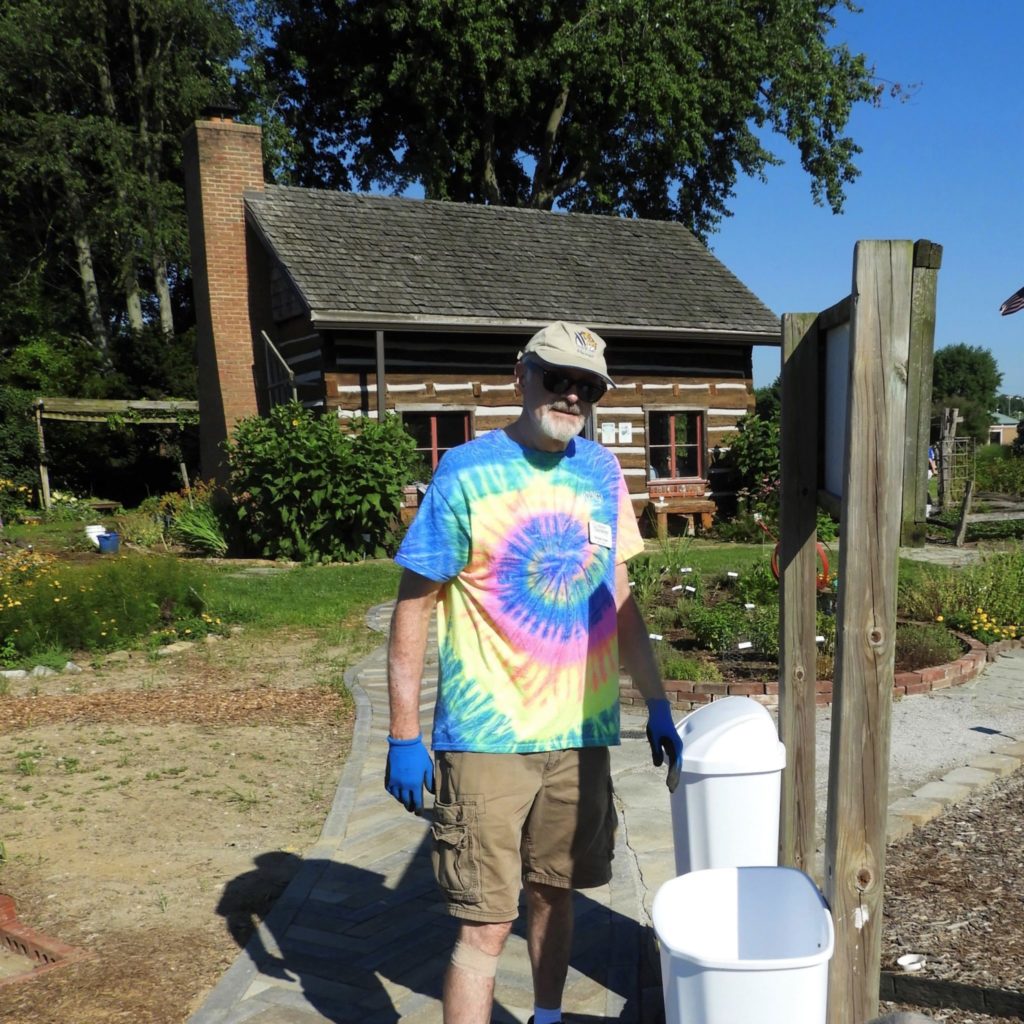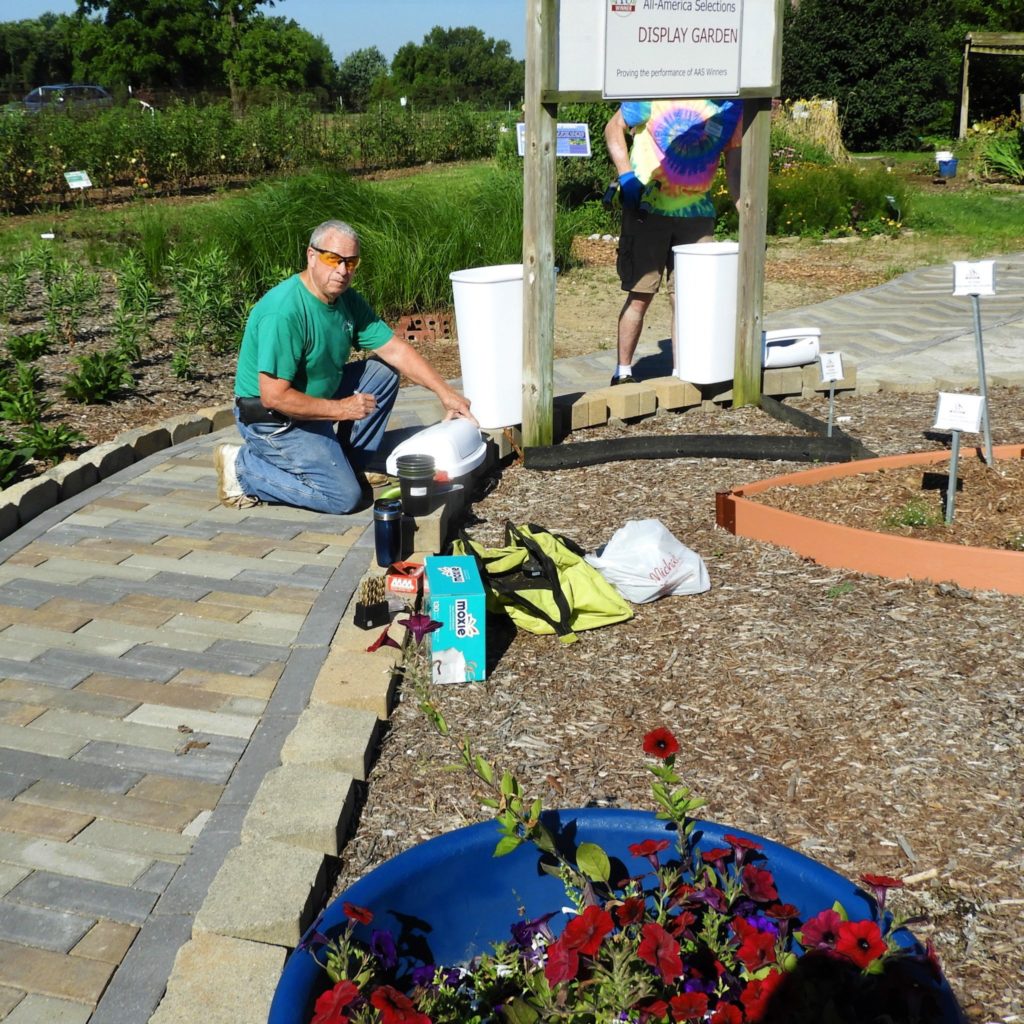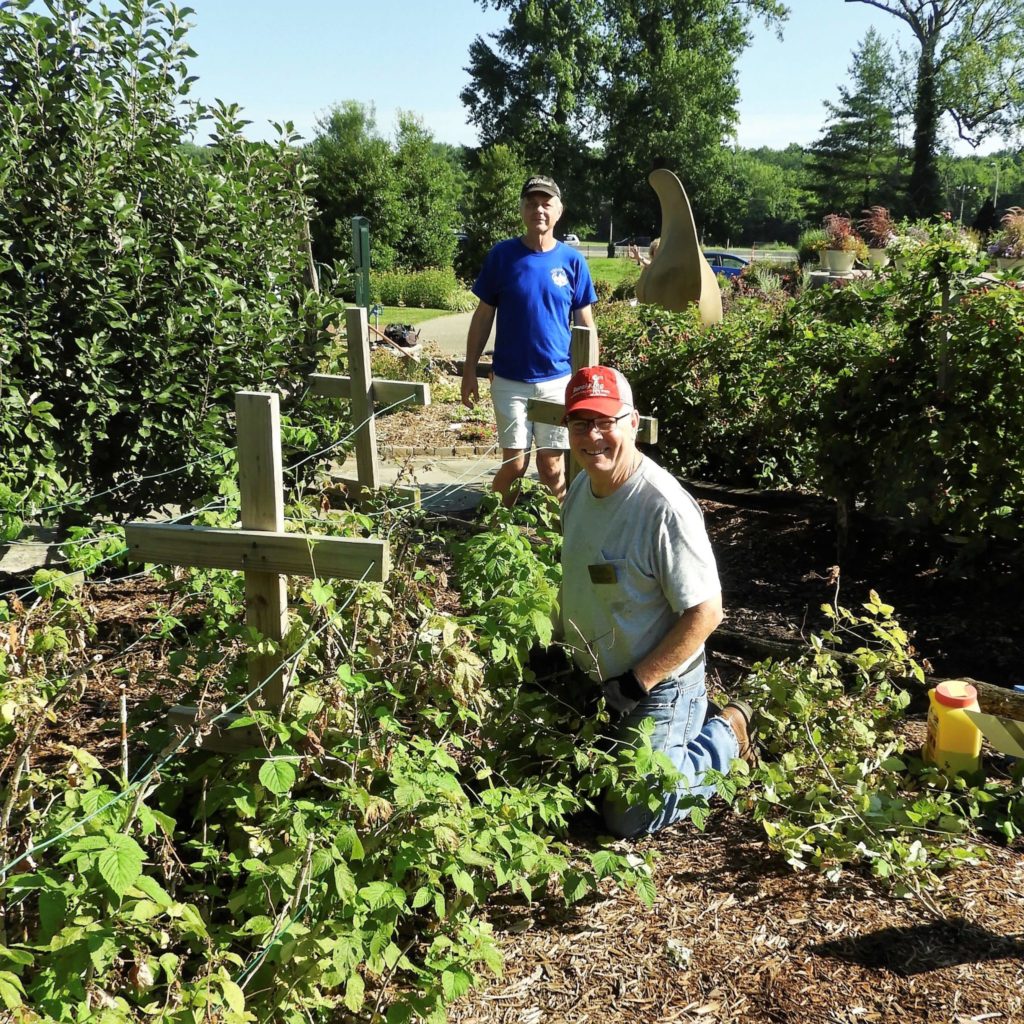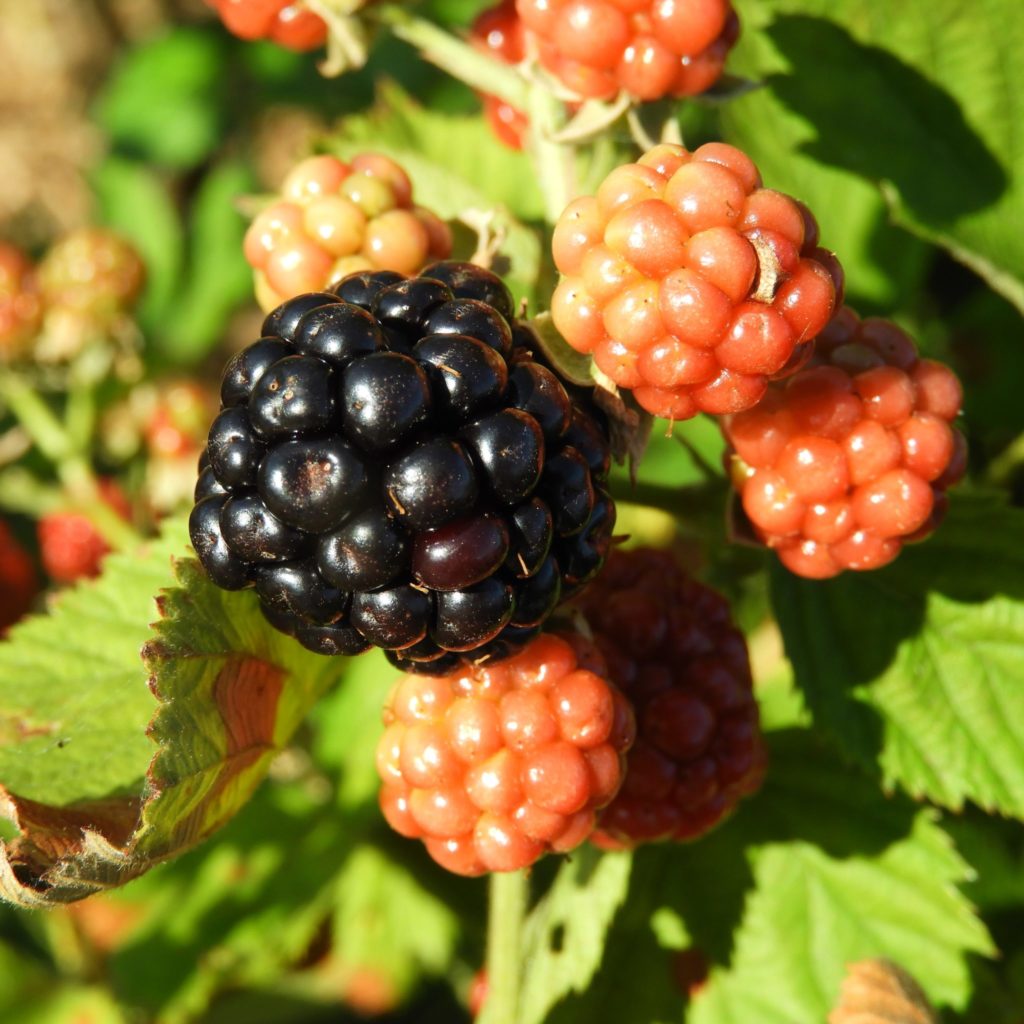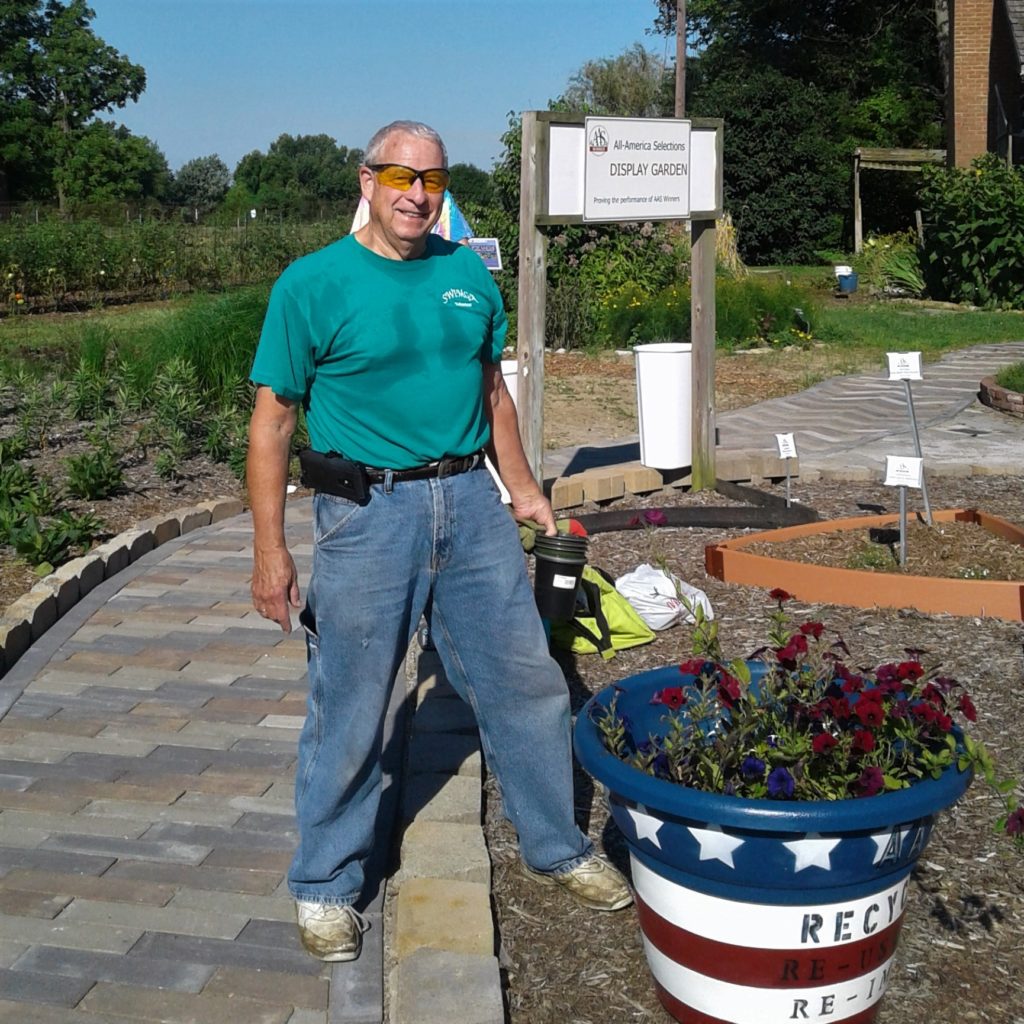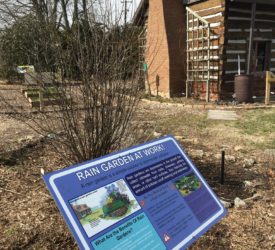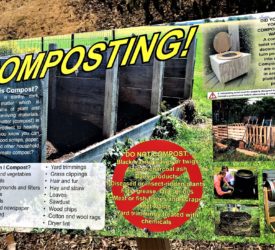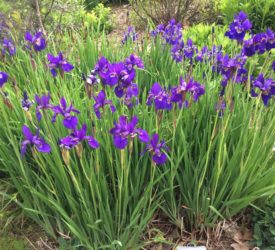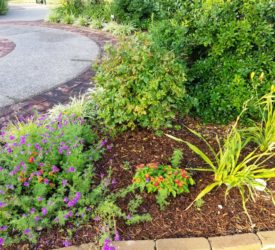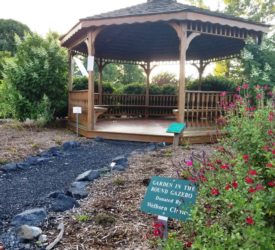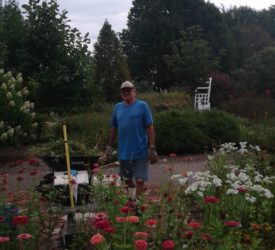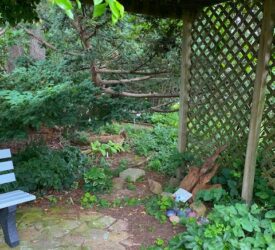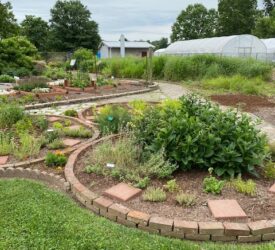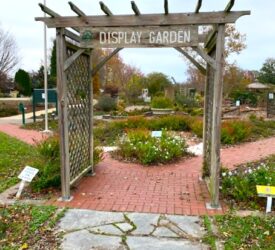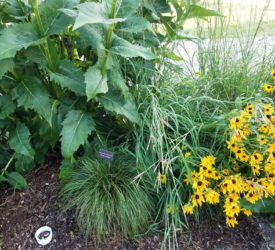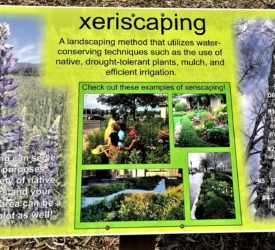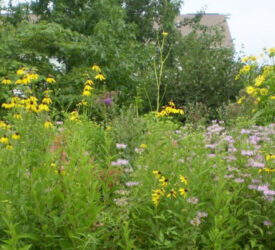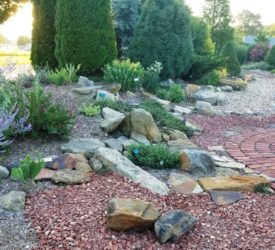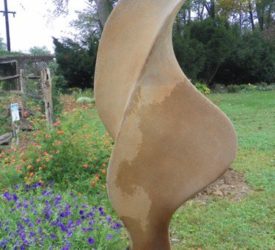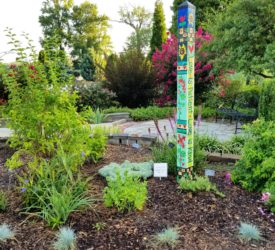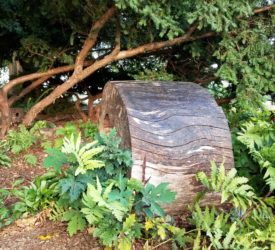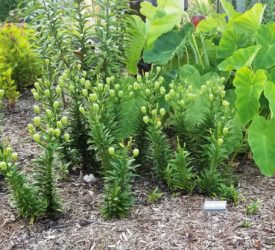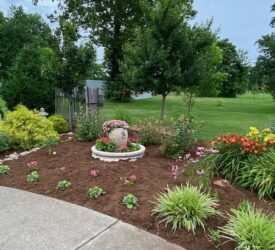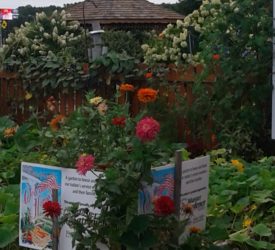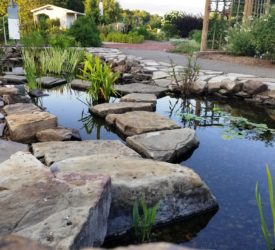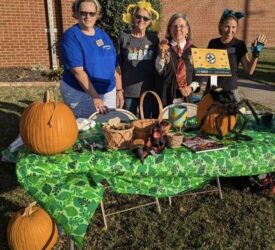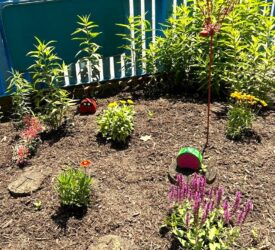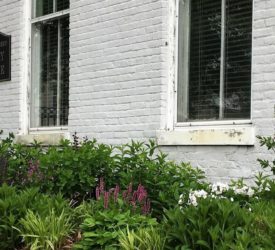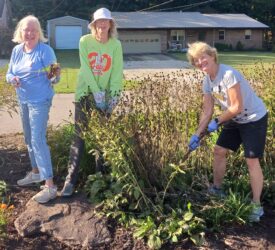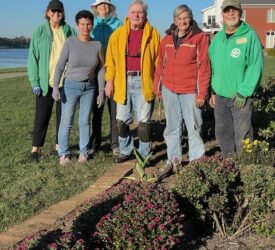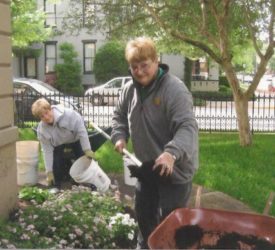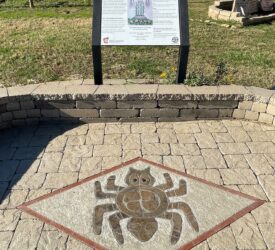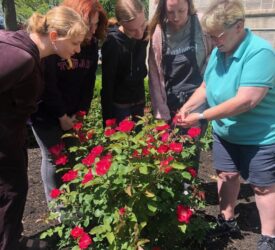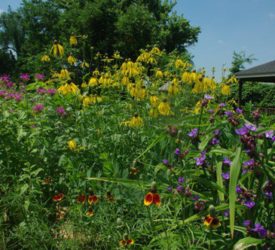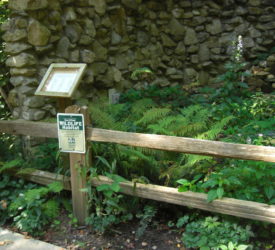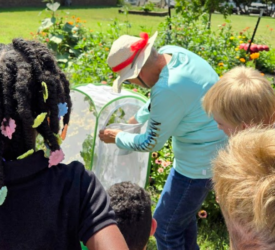
The SWIMGA Display Garden features a variety of plants in named garden areas.
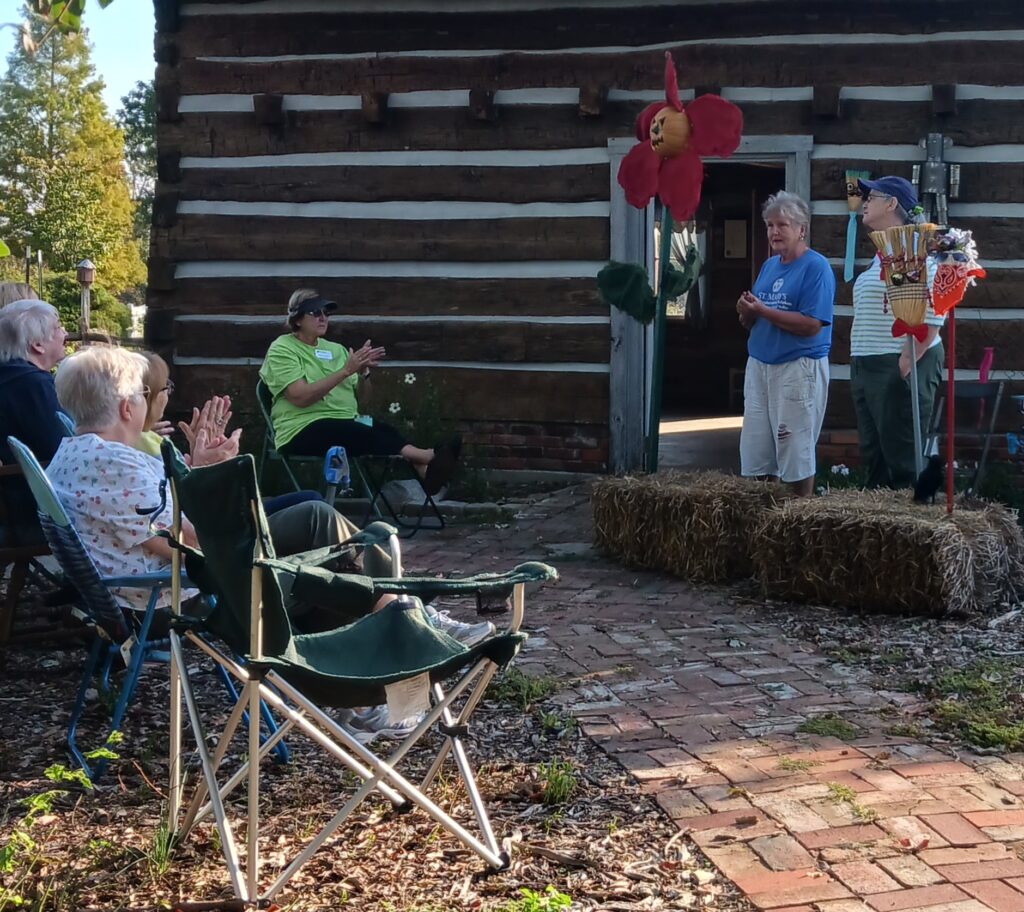
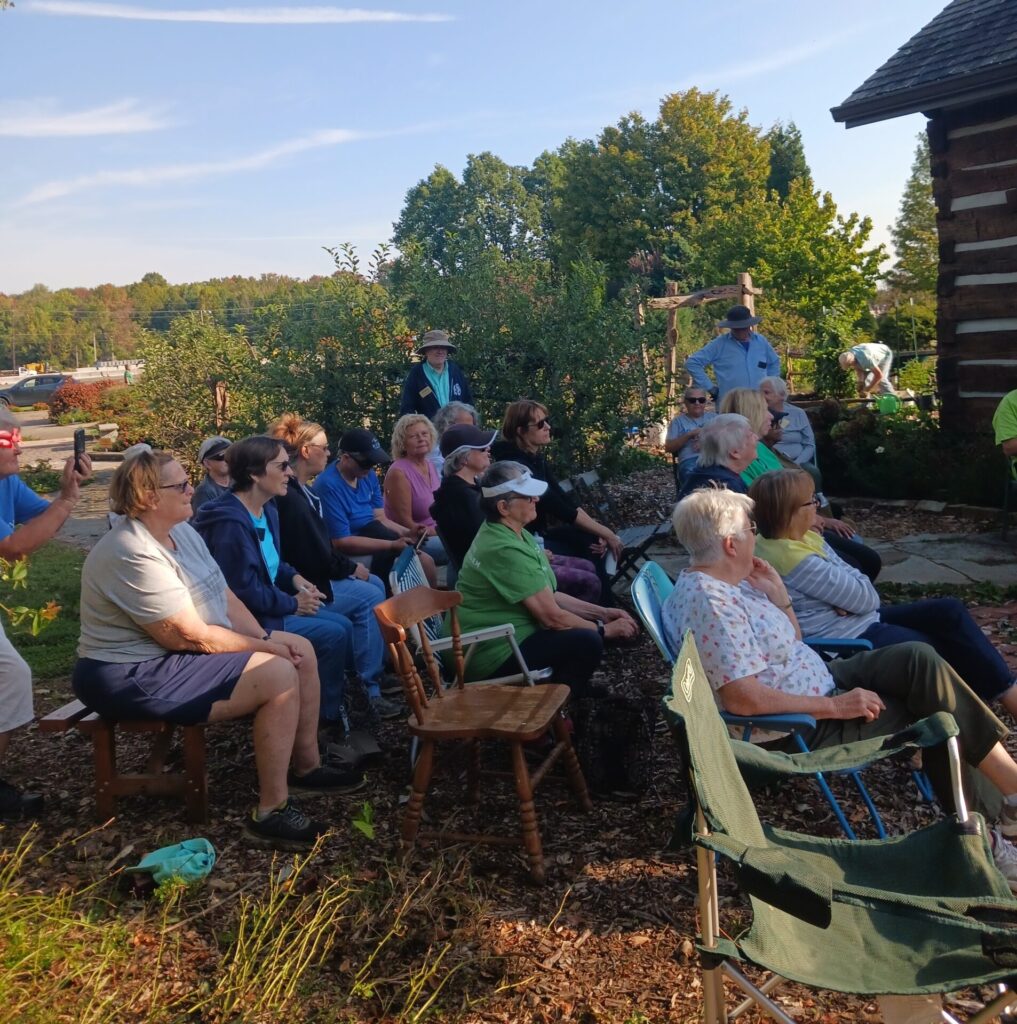
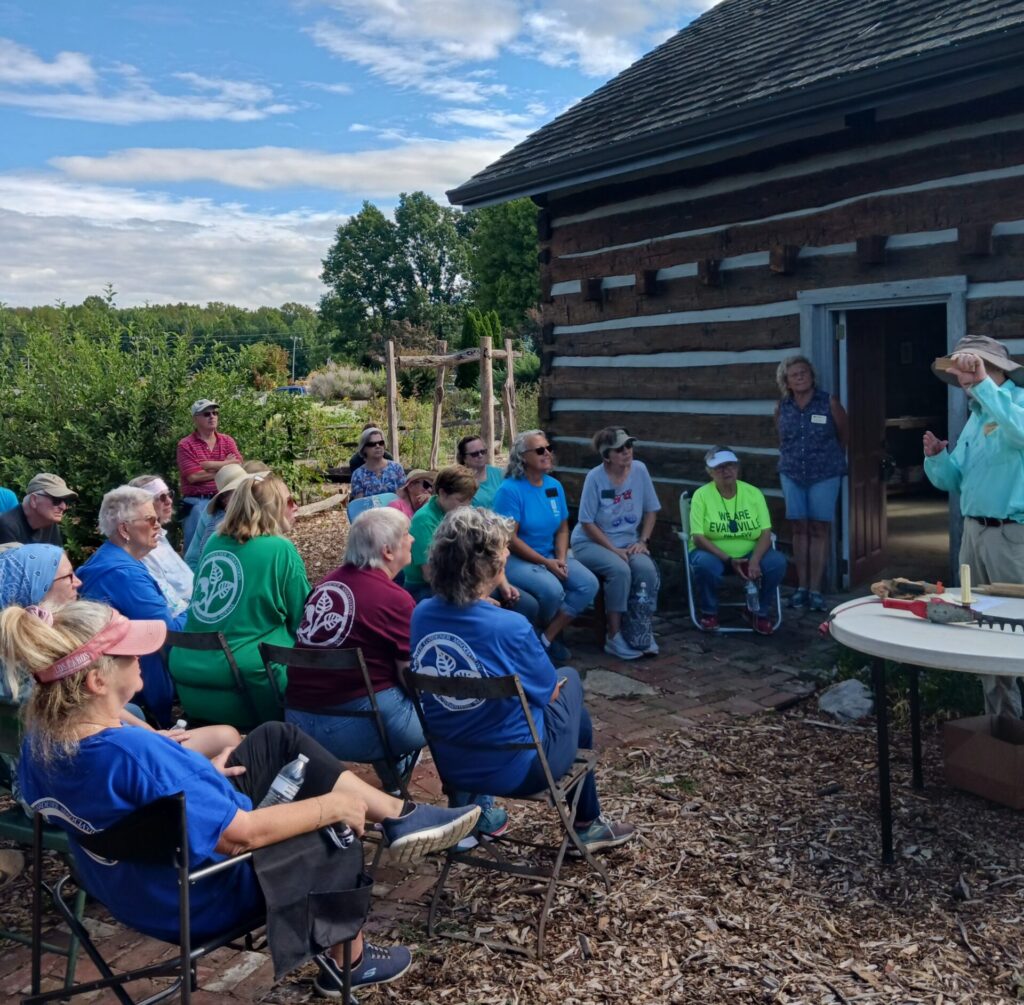
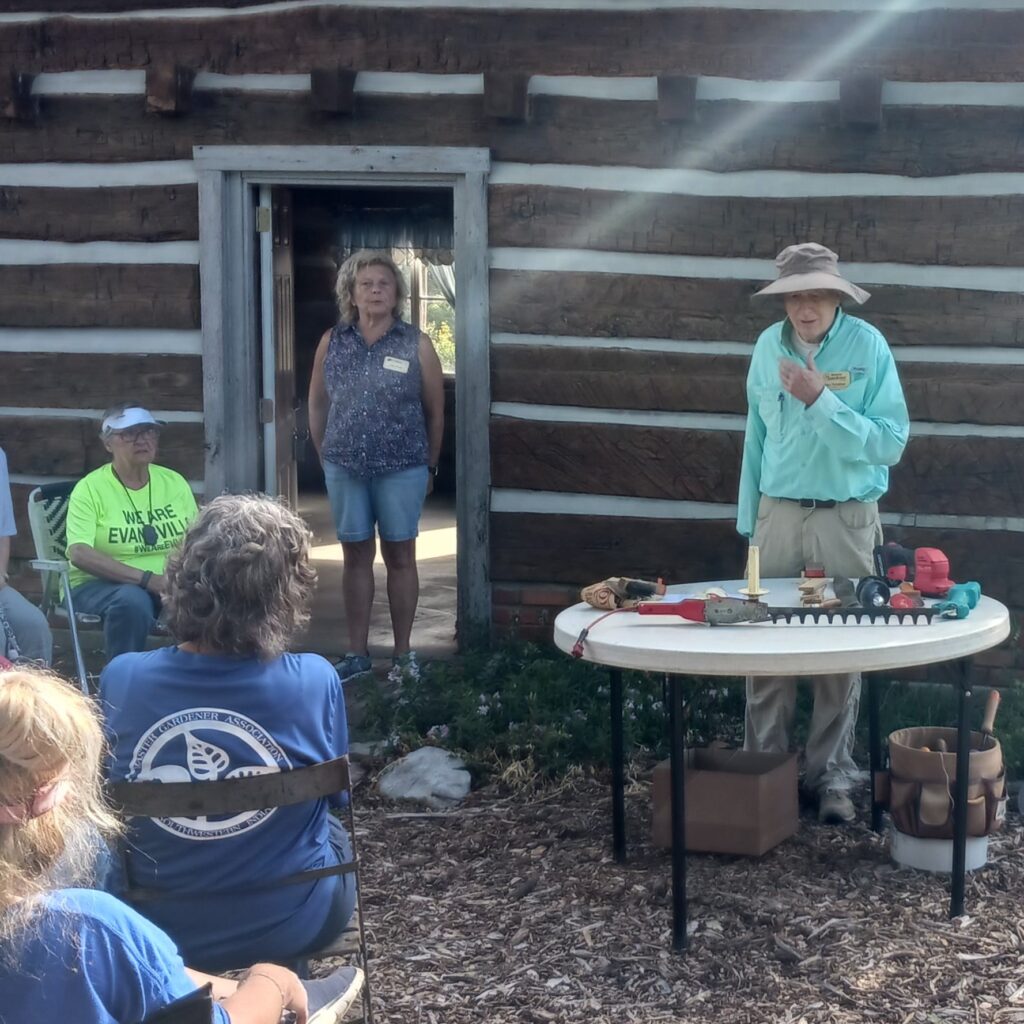
As SWIMGA’s garden home, the Display Garden is the site of public educational events throughout the year, including an AAS field day in summer and Demo Days throughout the year. For information on a guided tour for your group, please click the Visiting Information tab.
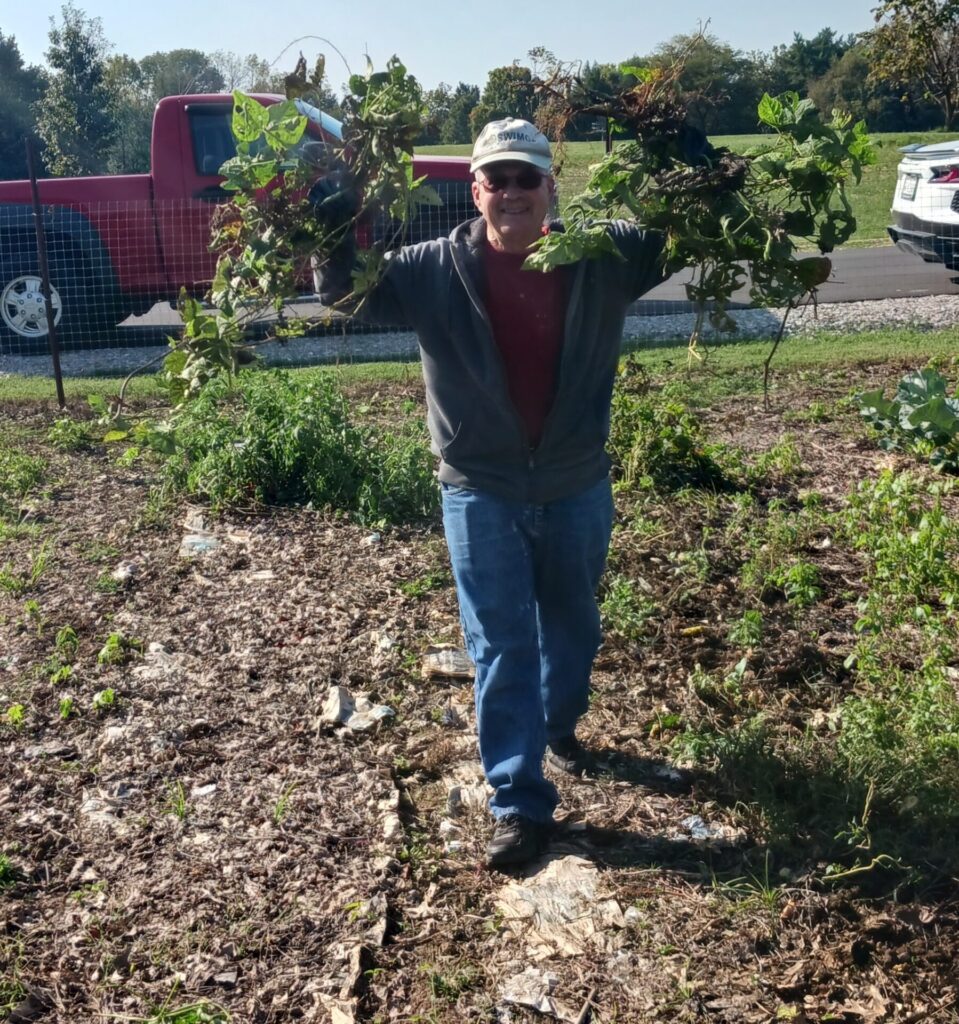
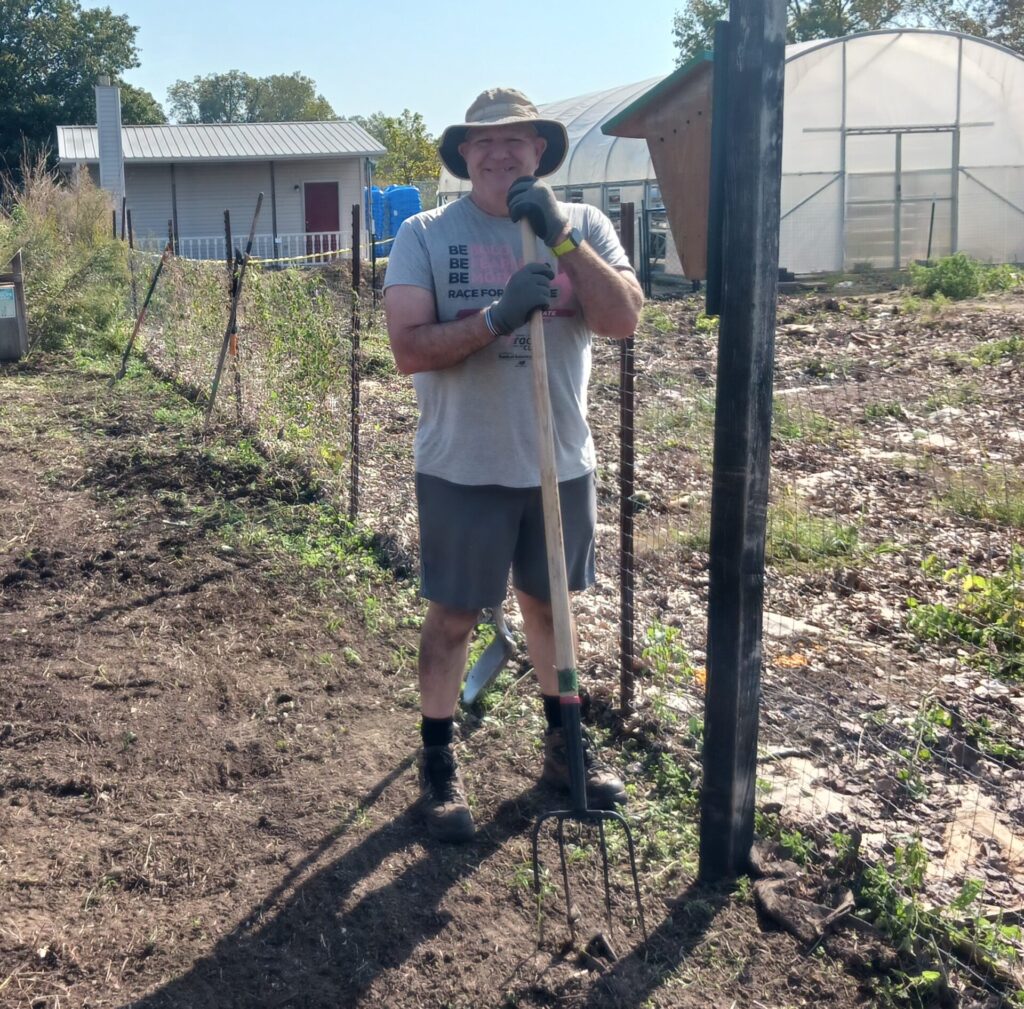
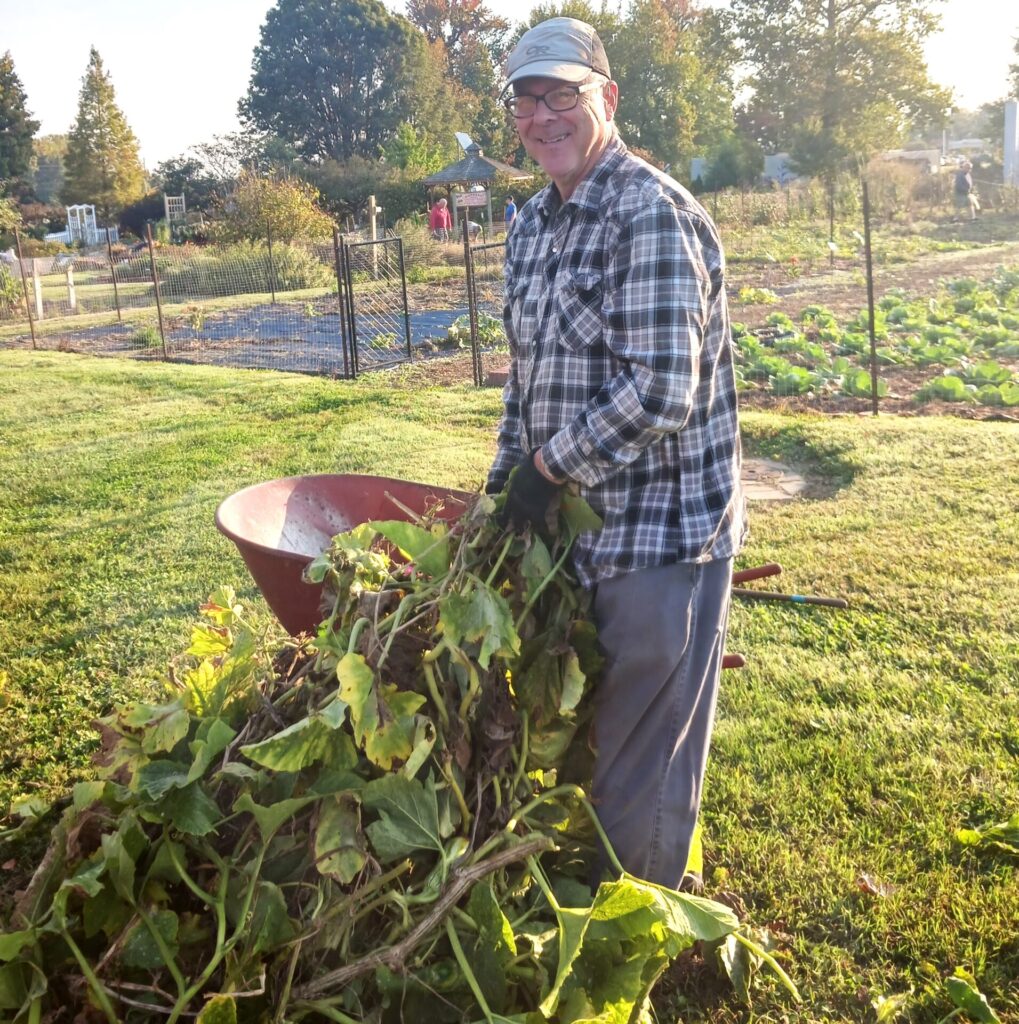
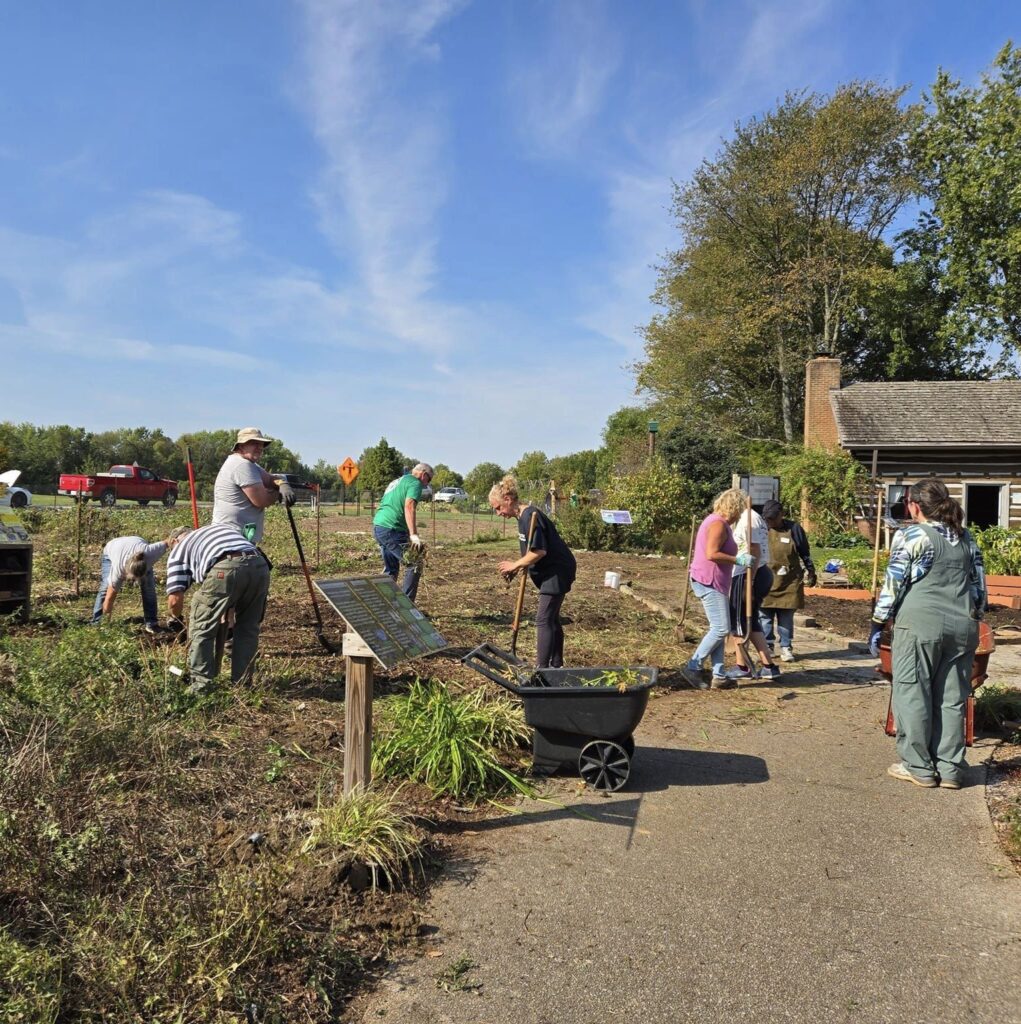
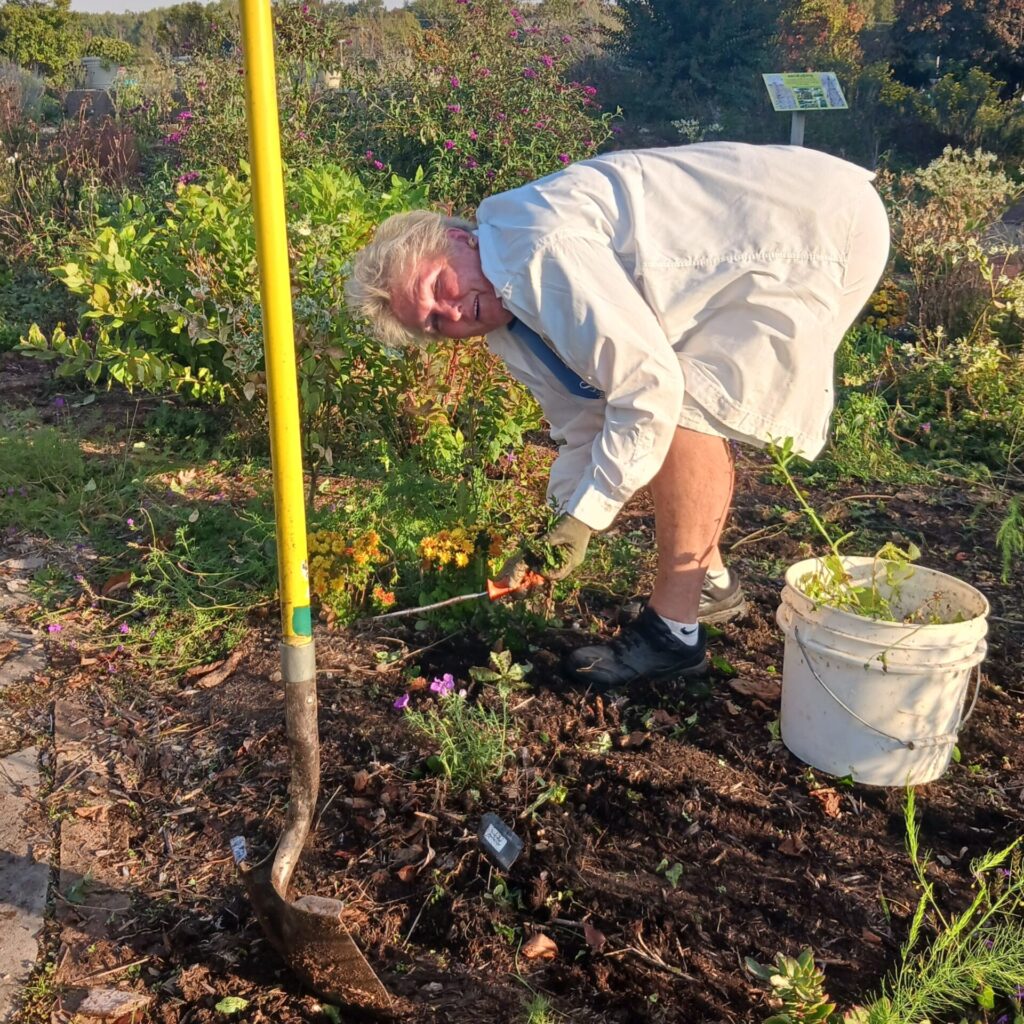
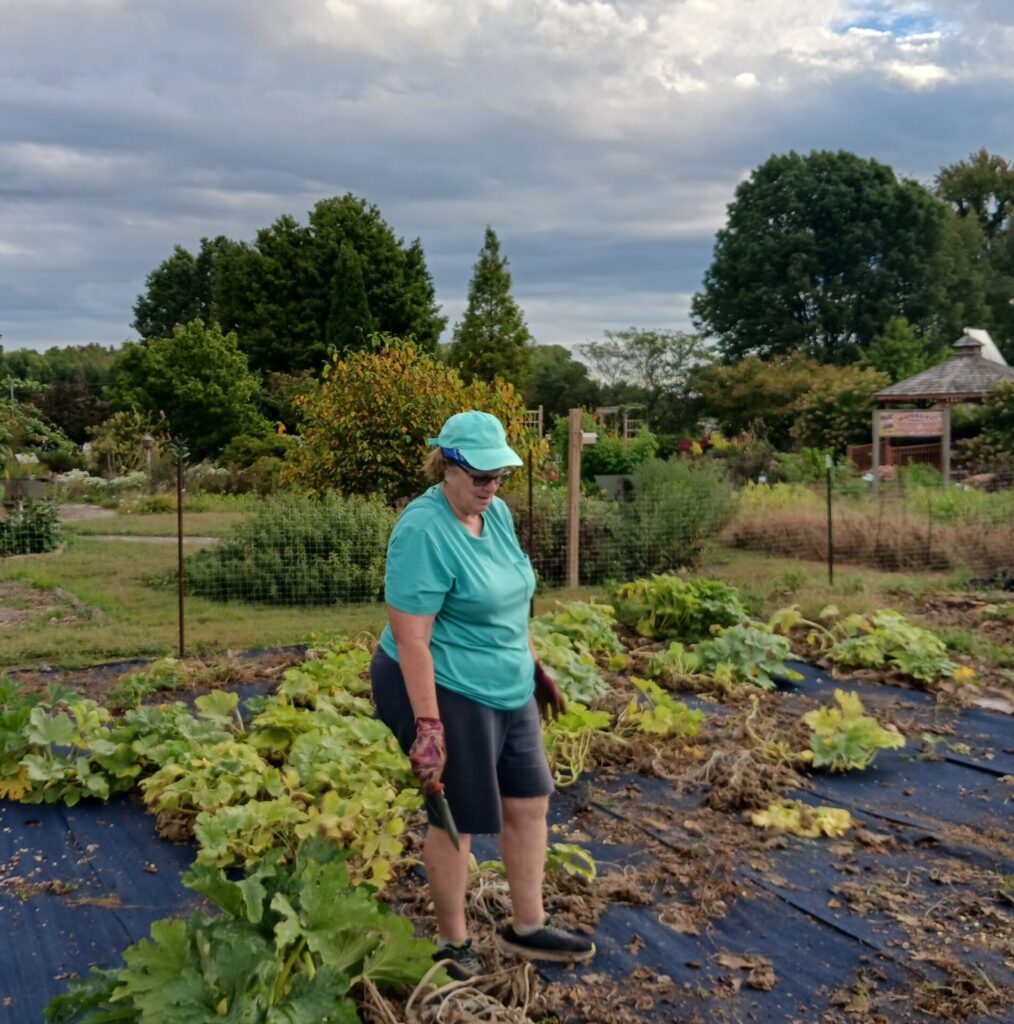
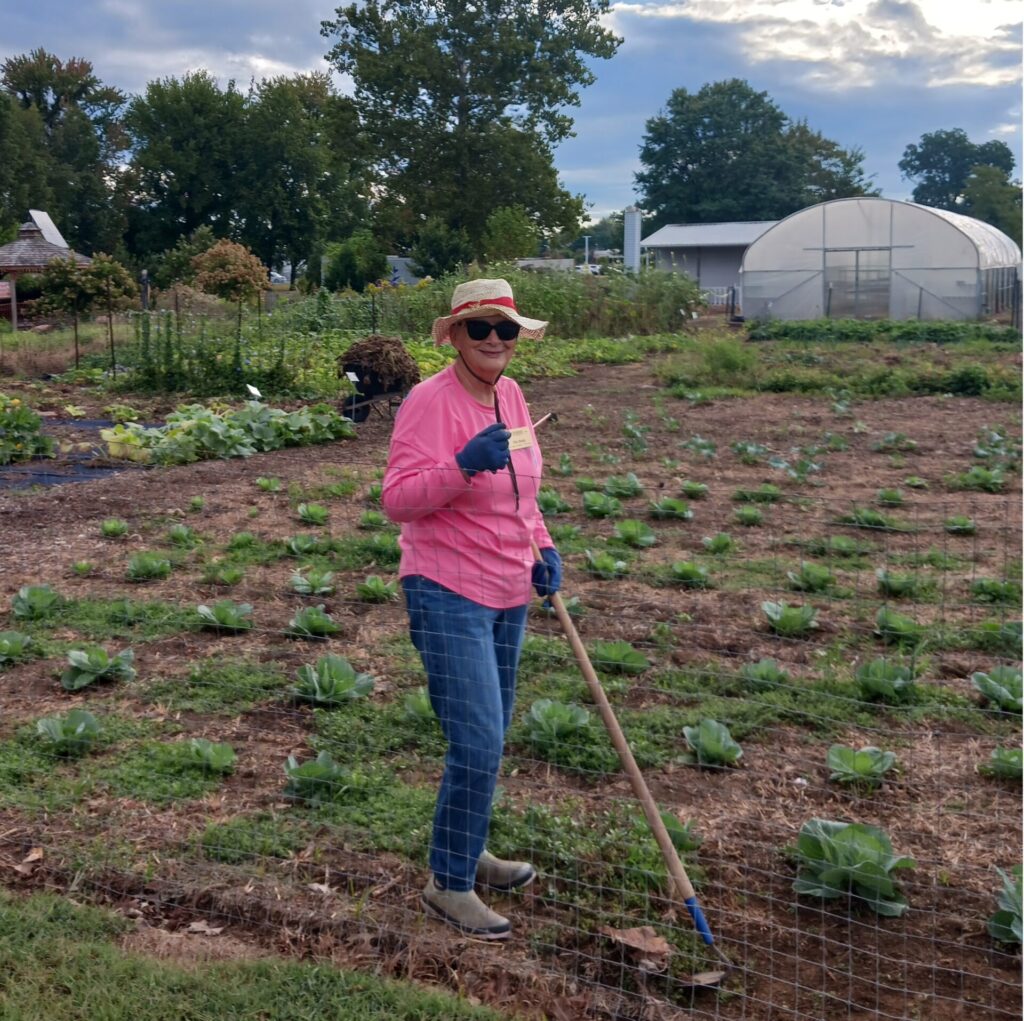
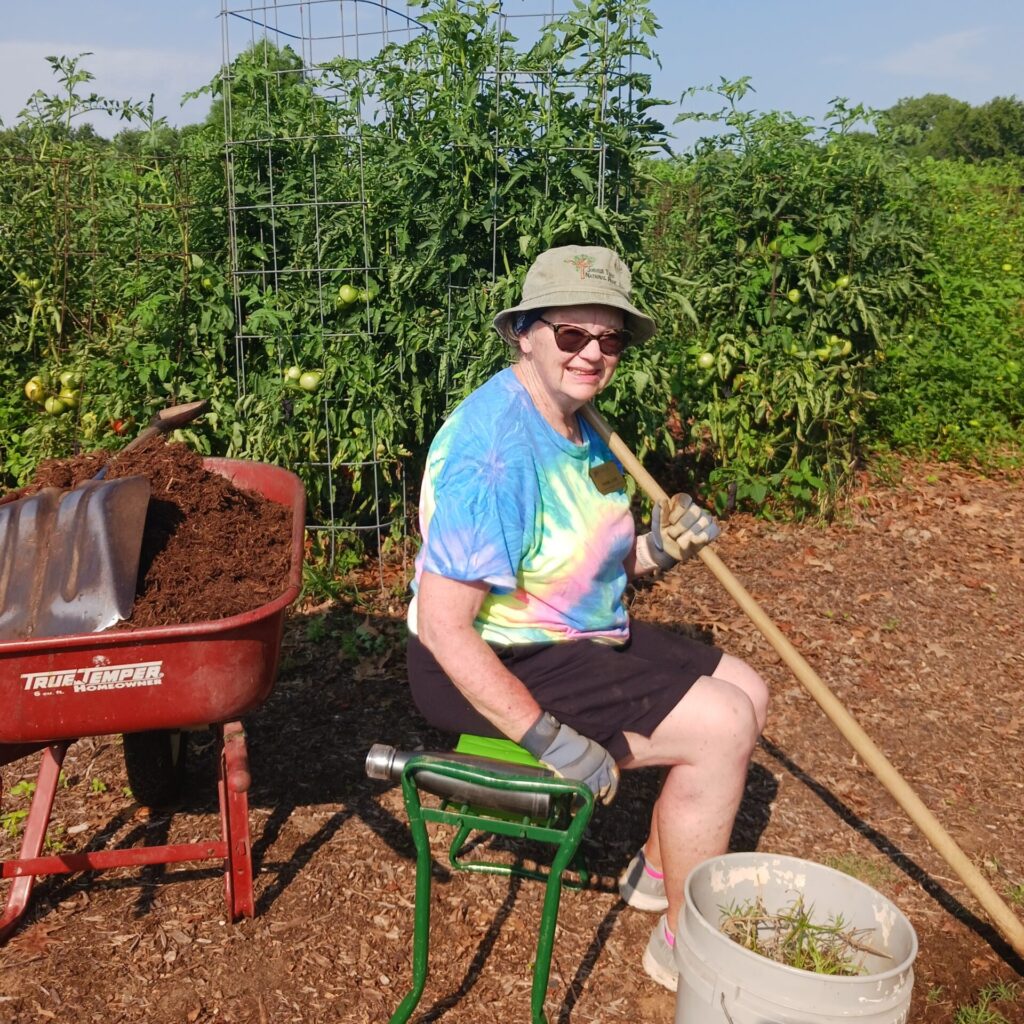
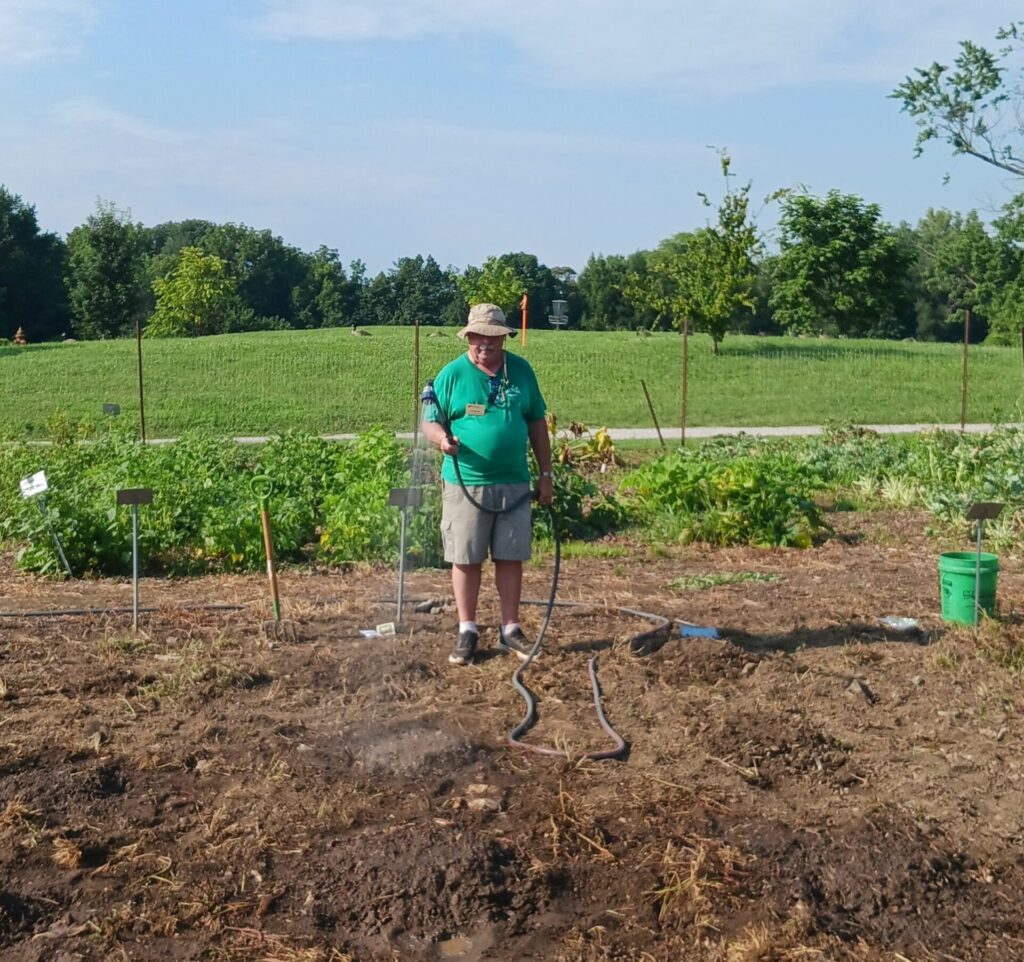
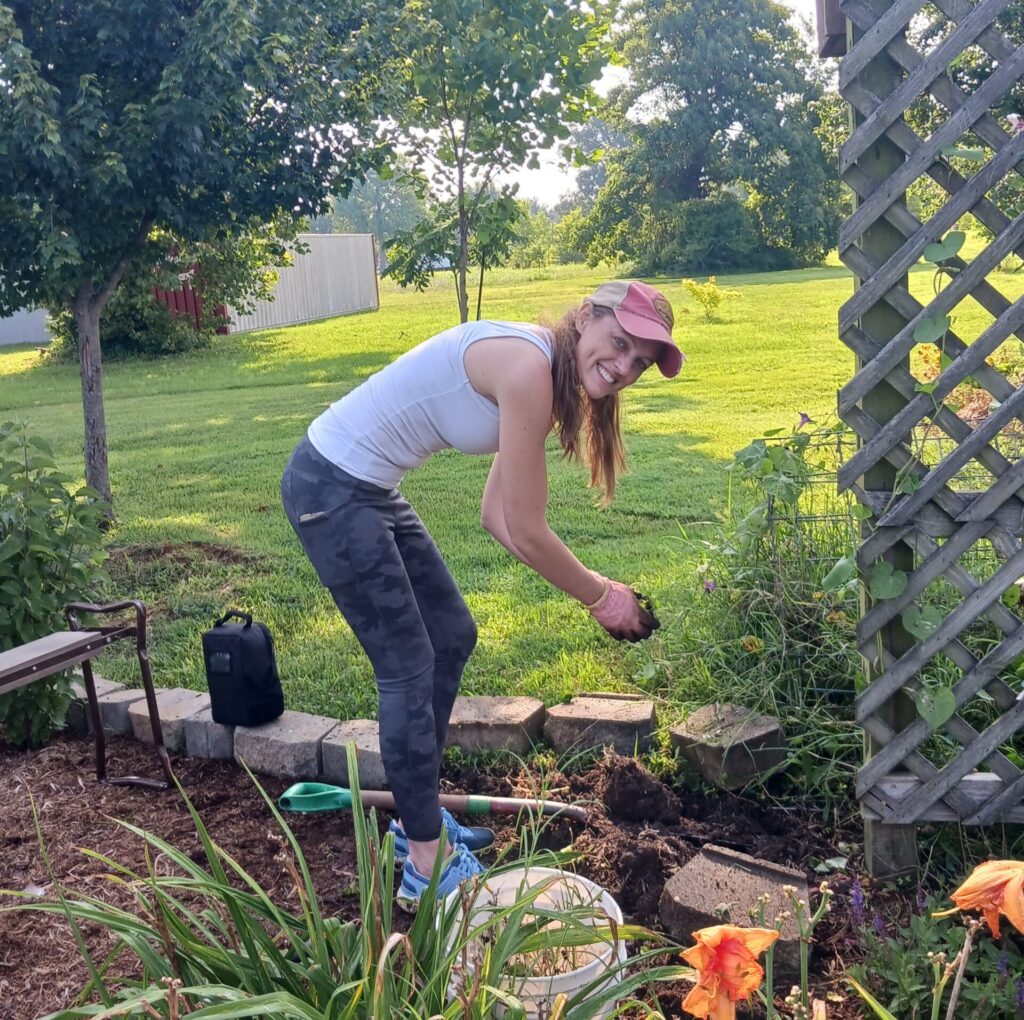
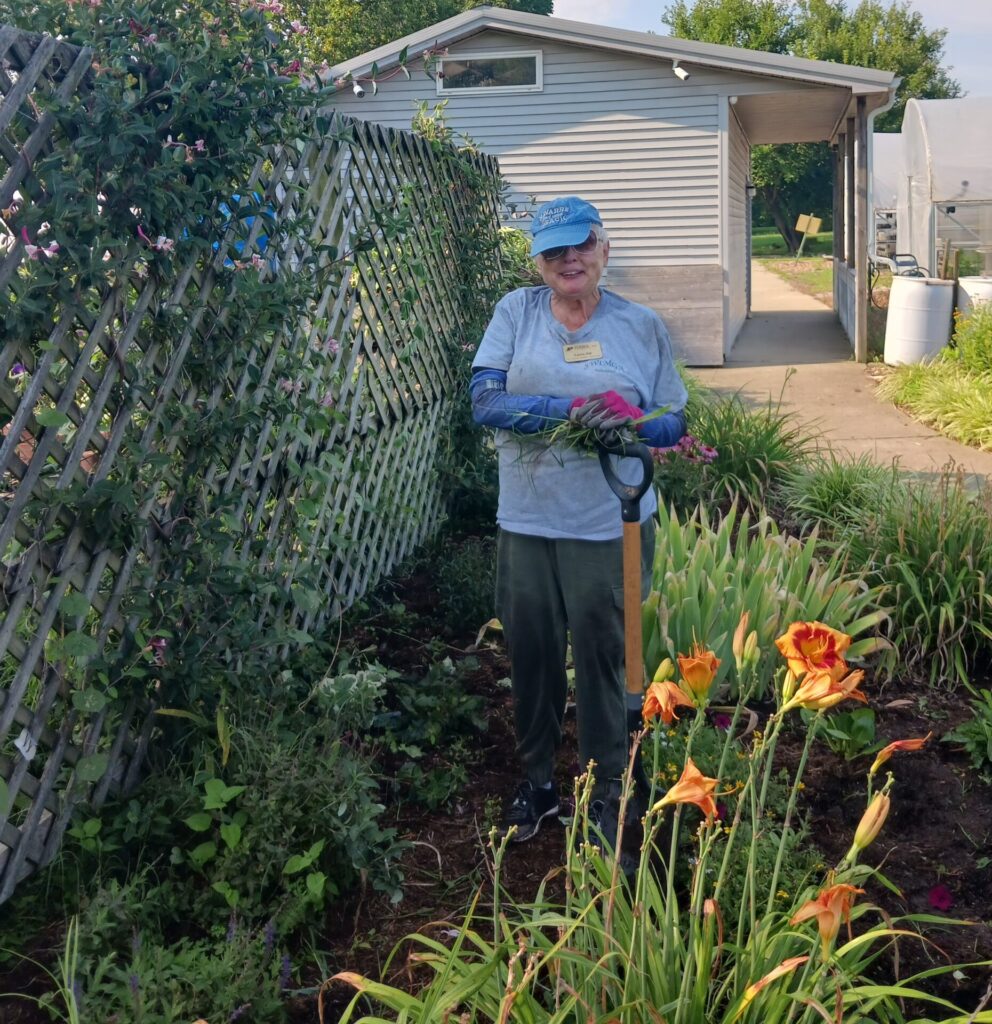
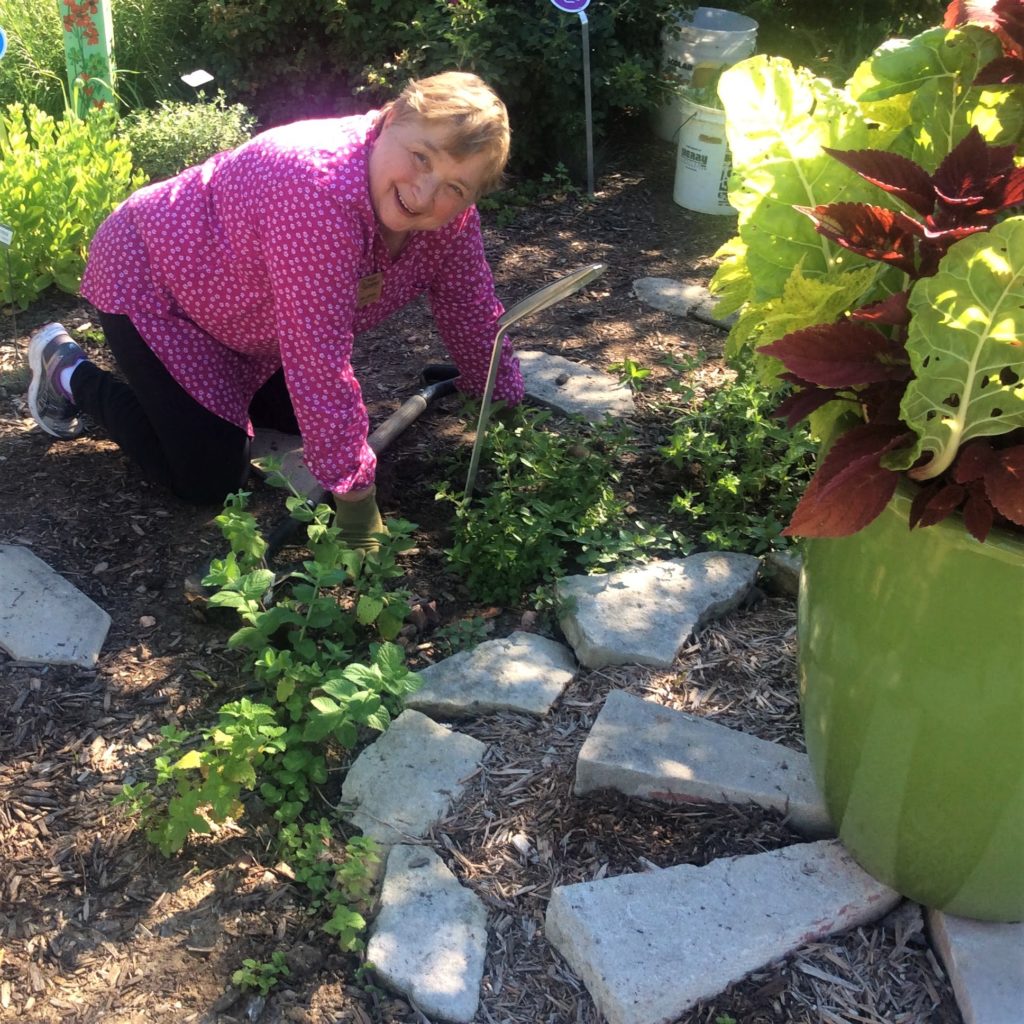
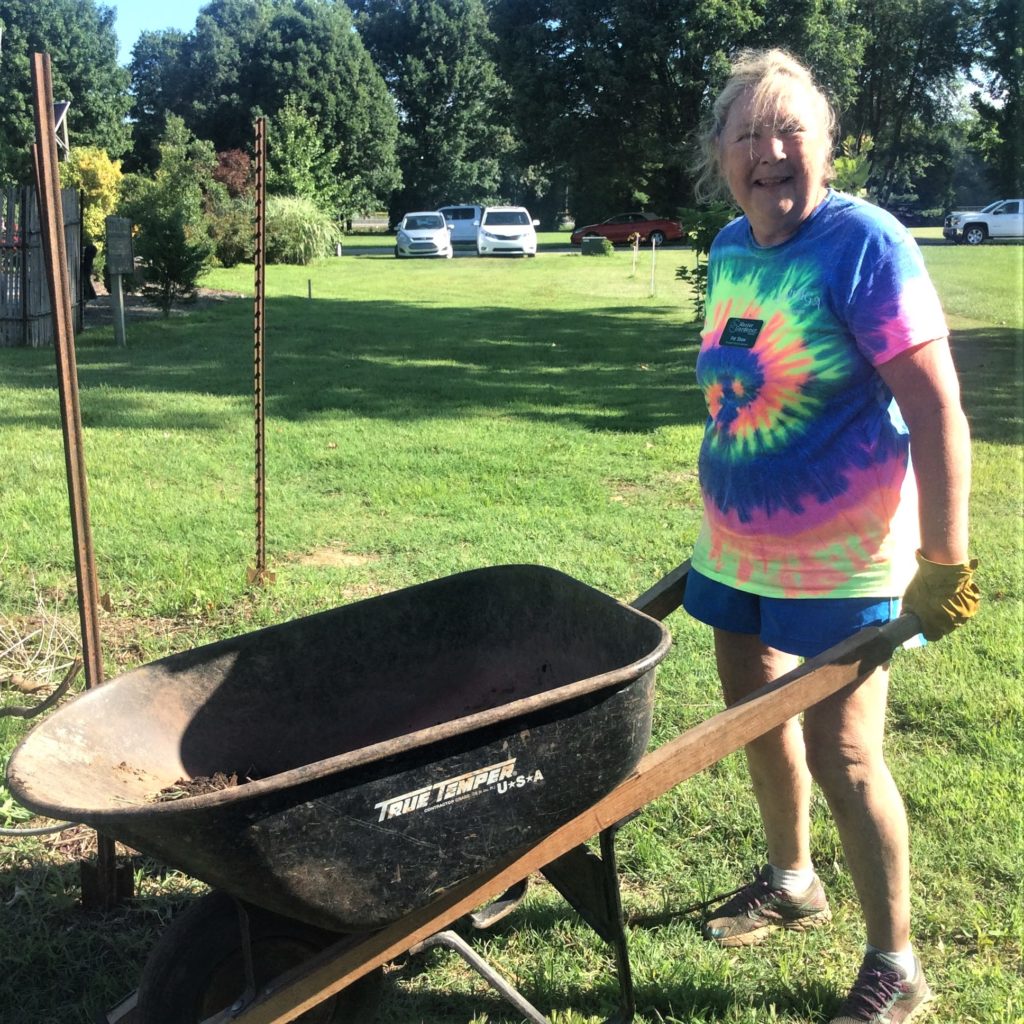
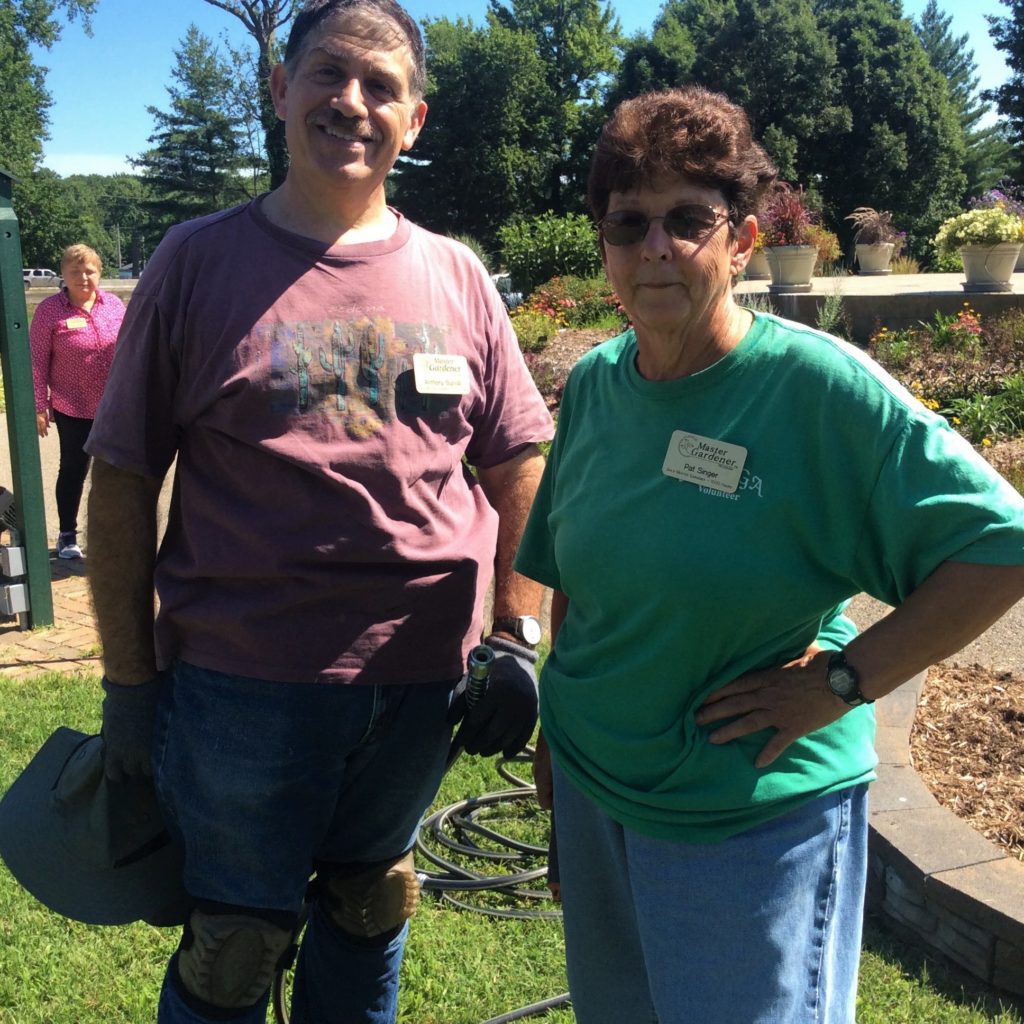
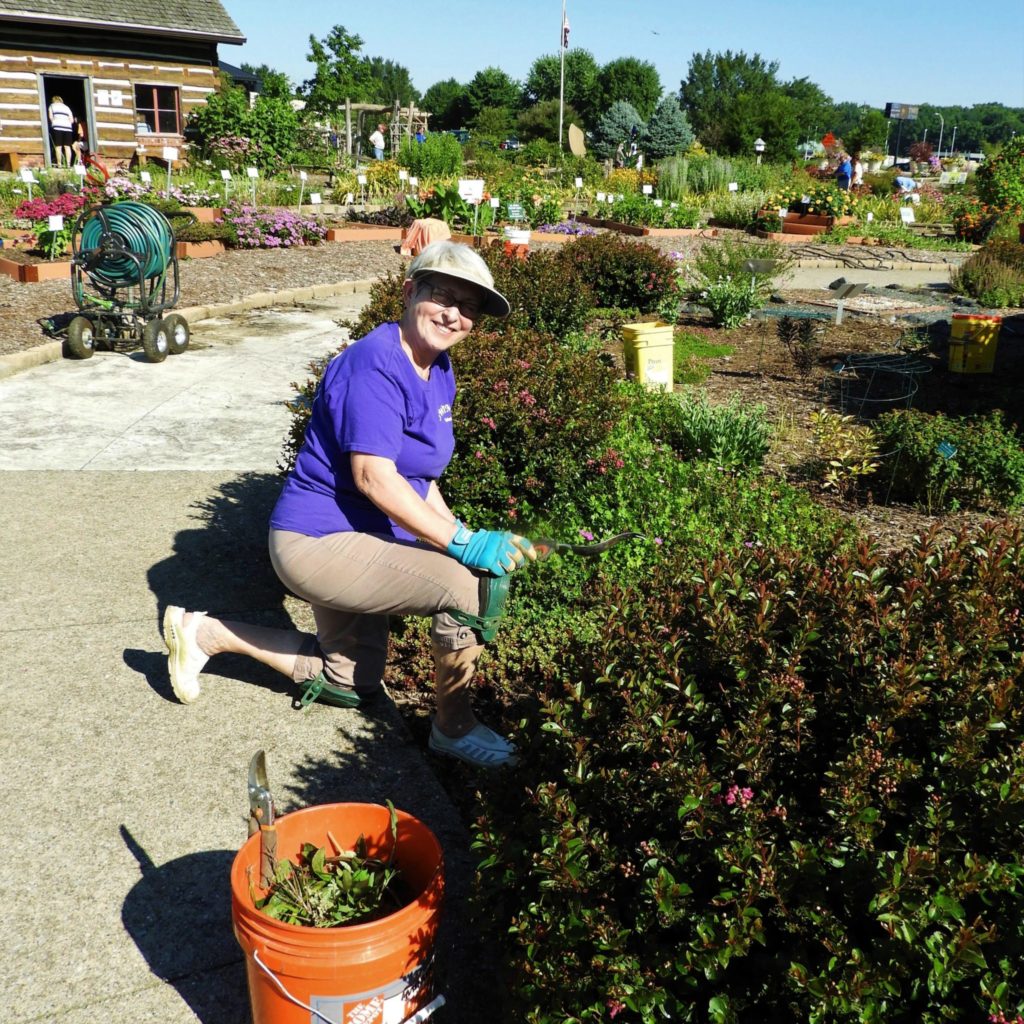
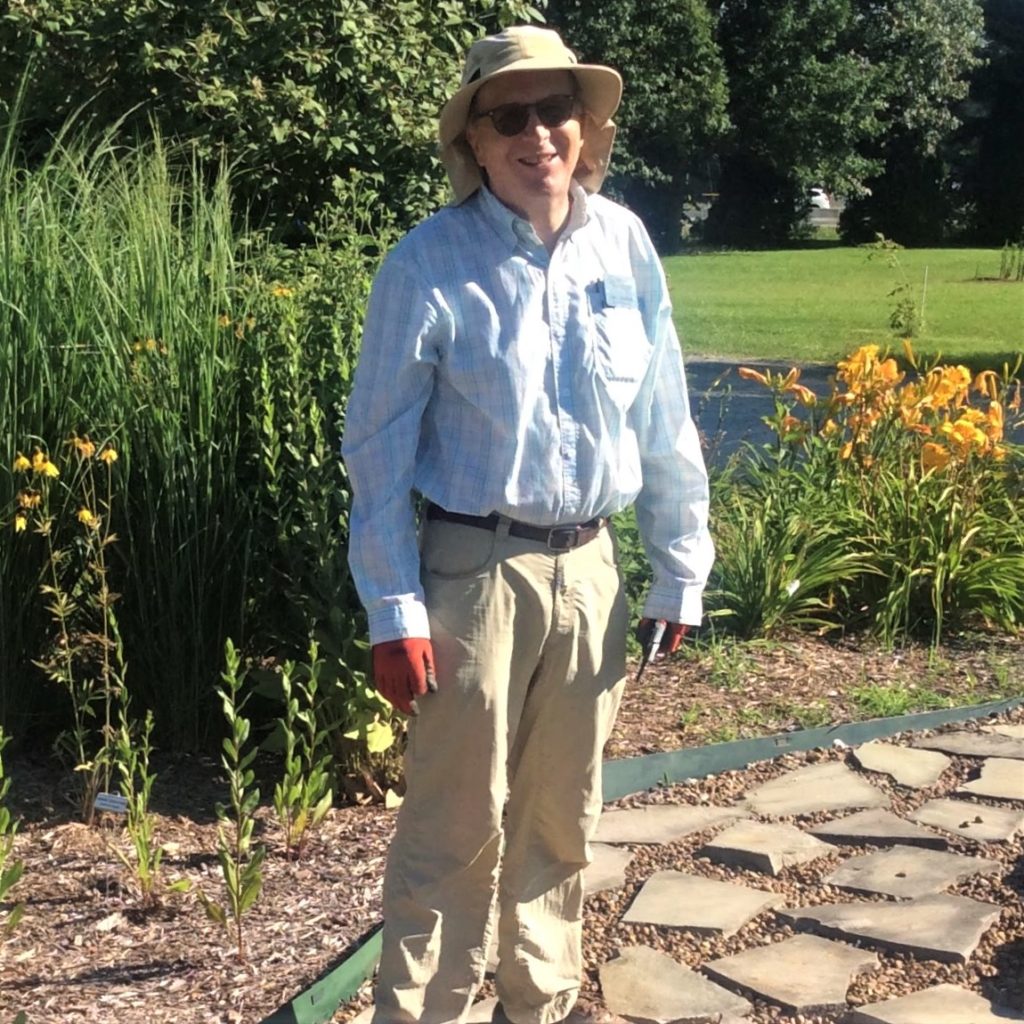
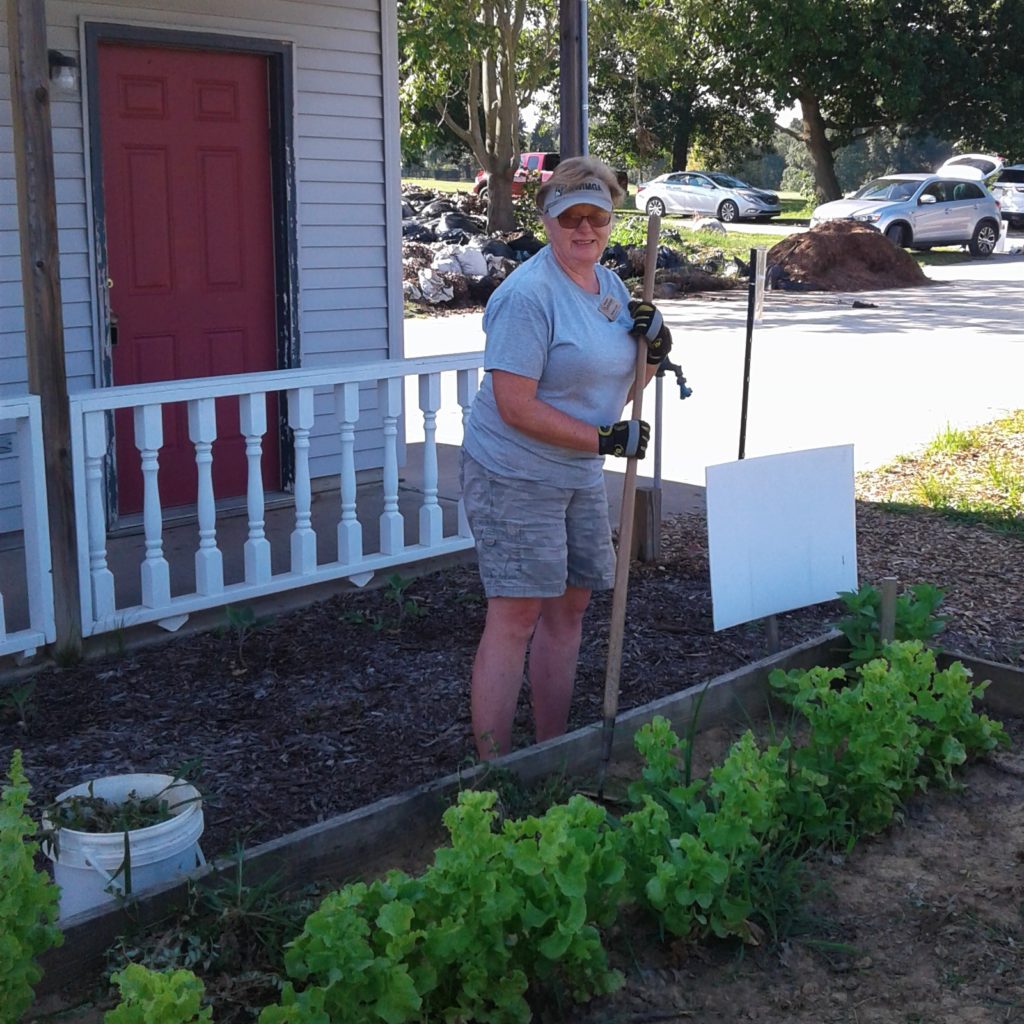
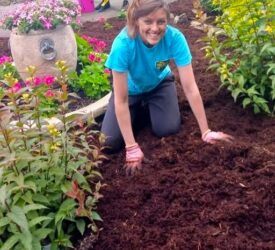
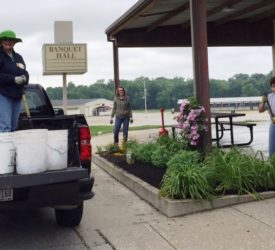
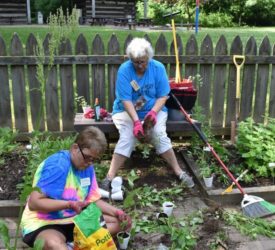
Master Gardens volunteer their time in all aspects of the garden, from tilling to planting to harvesting. We donate the results of our hard work to the Tri-State Food Bank.
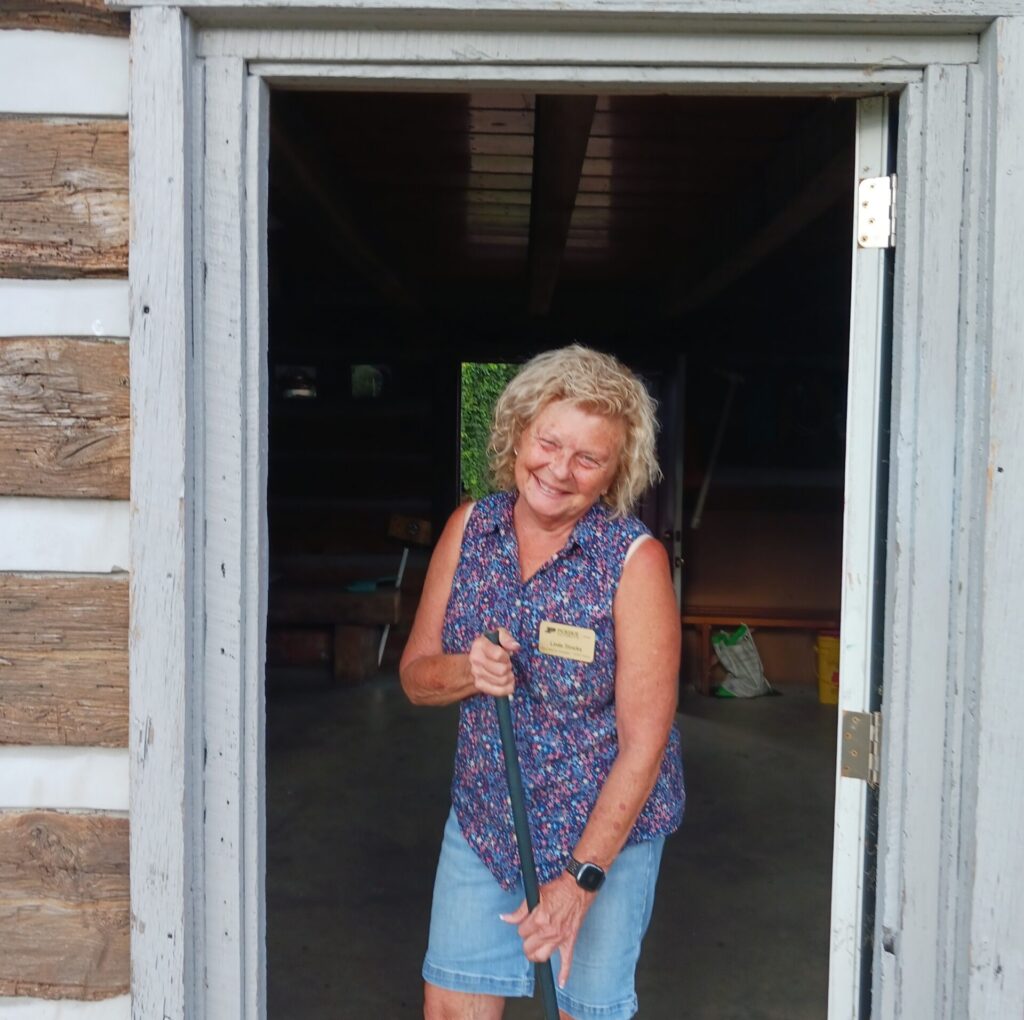
Kay Haller and Linda Stocks are co-coordinators for our Display Garden. For additional information, email Kay Haller at bkhaller2017@gmail.com. Jim Willem is chair of the Hardscapes/Walkways committee, and Todd Bischoff is in charge of Lawncare.
SWIMGA also maintains various gardens across our community. To view our community gardens, click the “Community Garden Projects” tab below.
SWIMGA Firsts: Gardens and Projects Remembering Our Past, Celebrating Our Future
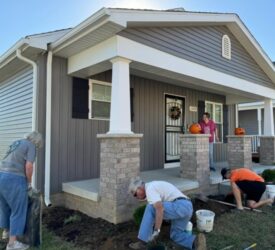
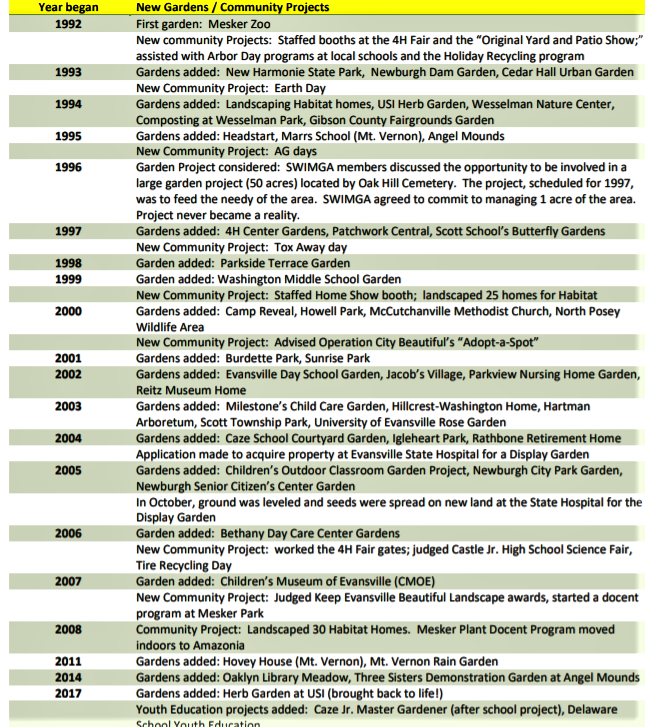
When looking over SWIMGA’s history of when we first started our gardens and projects, it’s obvious that the members of SWIMGA were always energetic and busy! Sometimes, too ambitious!! When reading the dateline below, you will see when our gardens and projects first sprouted throughout the community. SWIMGA was always a good community citizen – helping out when asked! Even though some of the gardens and projects are no longer under SWIMGA’s care, it’s interesting to see which projects still continue with SWIMGA’s helping hands. From SWIMGA’s inception until 2009, at least one new garden or project was added yearly to SWIMGA’s care. Community projects ranged from working with the Scouts to helping at recycling days to working at 4H activities to landscaping Habitat homes to staffing the “Home Show” booth to judging landscapes and science fairs throughout the community. Our almost-50 gardens beautified parks, nursing homes, schools and churches from Mt. Vernon to Evansville to Newburgh!
Here’s a list of our gardens and when they were added.
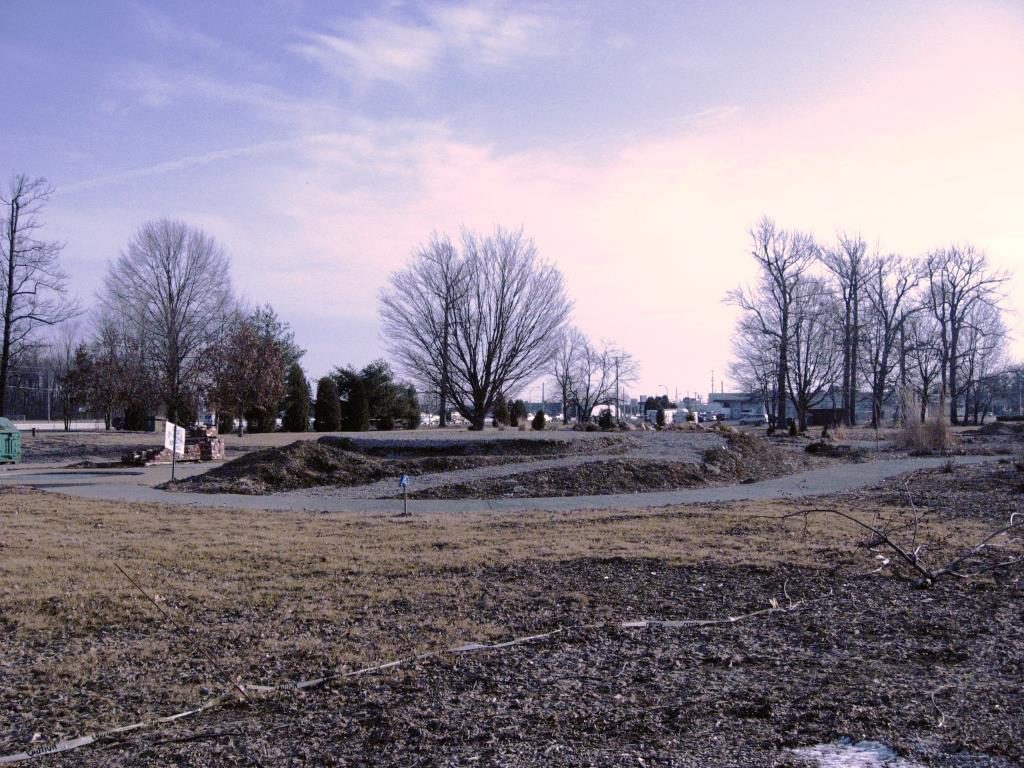
Our official SWIMGA home is the Display Garden at the old State Hospital Grounds.
The State of Indiana gave SWIMGA the 1.2 acres in late 2005, which was formerly part of the Evansville State Hospital grounds. All the gifted properties were given to non-profit agencies with the agreement that most green space would be preserved.
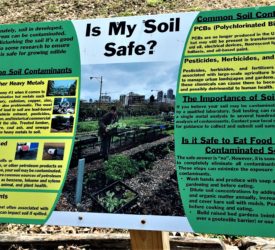
That same fall (2005) a leaking petroleum tank was found underground at the site and the proper steps were taken by the state to clean up the site before turning the land over to SWIMGA. In the process, the topsoil at the site was essentially lost. In the spring of 2006 SWIMGA planted rye grass seed to act as “green manure” to loosen and enrich the soil. And then the process of planning for use of the site began.
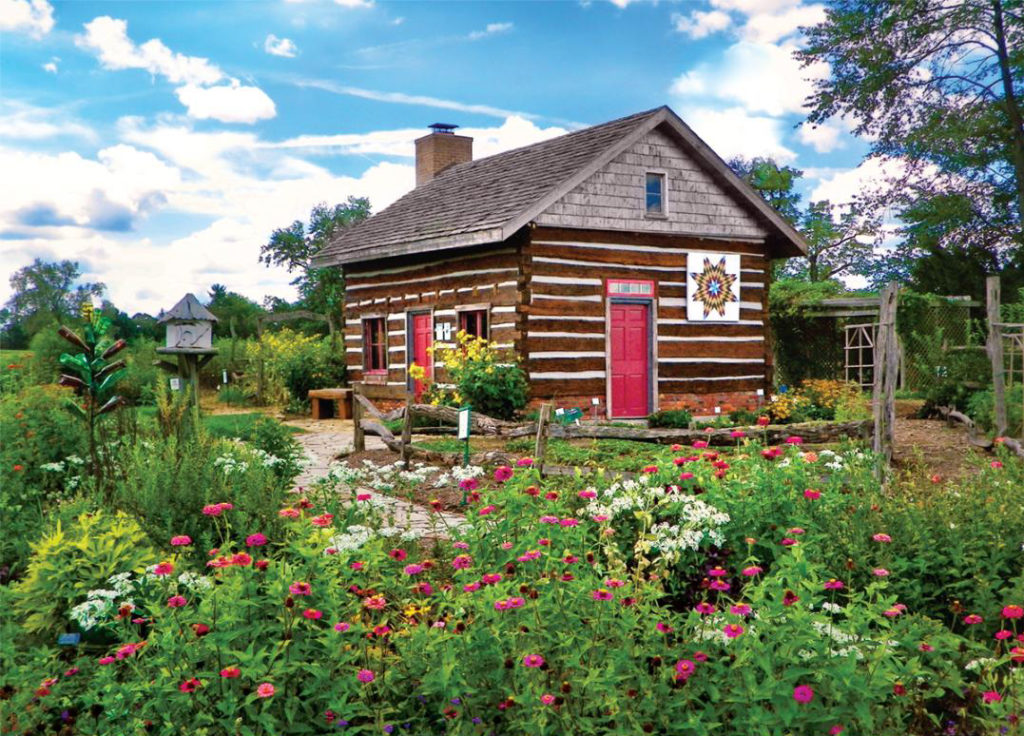
Just south of the Lloyd Expressway between Stockwell Road and Vann Avenue, next to the Eykamp Boy Scout Center at 3501 E. Lloyd Expressway in Evansville, Master Gardeners have created an oasis of beauty and serenity.
The Display Gardens are open year round with ample parking and free admission.
Self-Guided Tours
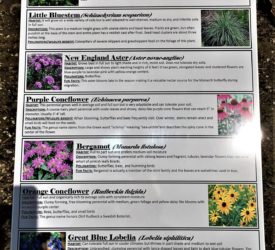
Visitors are welcome to enjoy the gardens at their own pace at any time during daylight hours any day of the year. The Display Gardens are designed to be self-guided, and during the growing season, information sheets about each garden area are located in green “realtor” boxes, near the pathways.
The Master Gardener Display Gardens cover 1.2 acres. We recommend allowing about 30 minutes to enjoy the gardens at a leisurely pace.
The MGDG is handicap accessible from the north entrance.
Guided Tours
We can provide a Master Gardener docent to conduct a group tour with the following limitations:
- Eight or more participants are required.
- Two weeks minimum advance notice is required to schedule a guided tour. More time may be needed around a holiday.
- Tours are free of charge.
- Youths under age 16 must be accompanied and supervised by an adult.
- The majority of the garden is accessible to visitors with disabilities. Please notify us if you have special requirements.
- PLEASE refer to the Garden Etiquette guidelines.
- Allow approximately 60 minutes for tours.
Call the Vanderburgh County Purdue Extension office at (812) 435-5287 for more information.
When visiting our gardens, please observe the following guidelines:
- For their safety, please supervise children at all times. One adult should accompany every five children.
- Please keep pets on a leash and on the sidewalks. Fresh manure is toxic to plants and dangerous on sidewalks. Please clean up after your pet.
- No climbing, running, skating, sports, or games.
- Stay on pathways and mowed lawn areas. Do not walk in mulched or planted garden beds.
- Please leave flowers and plants for everyone to enjoy. Do not collect or remove seeds, flowers, fruits, vegetables, plant labels, etc.
- Do not wade or swim in ponds, streams, or fountains.
- We care about the environment. Please dispose of waste in recycle bins when appropriate. Do not litter.
- Visitors are permitted to take snapshots for their own personal use only. Please do not block pathways or access for other visitors.
- The Garden is a tobacco-free environment. No smoking is allowed on Garden property
- No alcohol.
- The area, including the Gardens, is open to visitors during daylight hours.